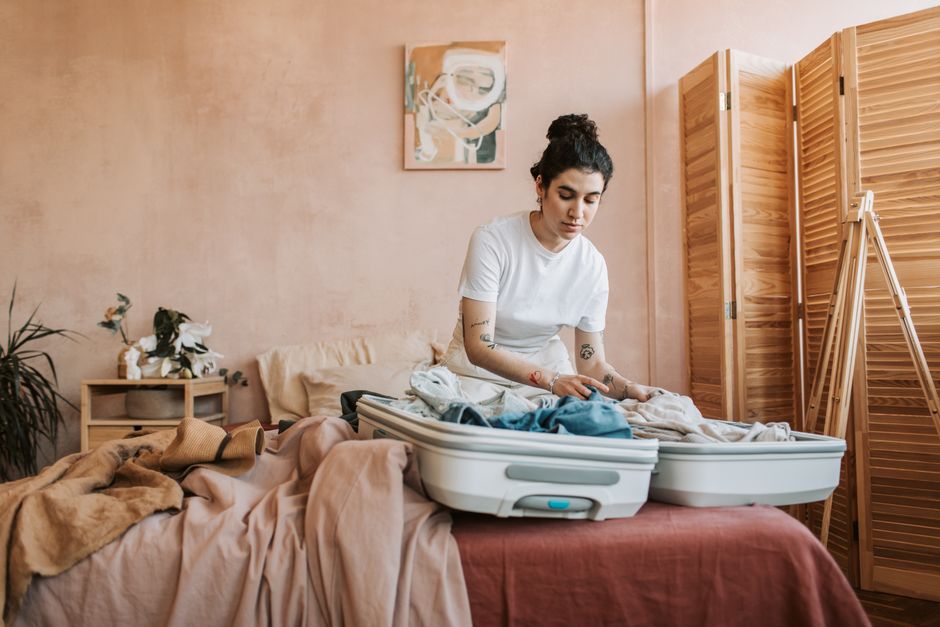
You land in Lisbon at 14°C, face bright sun by lunch, then walk back to the hotel in a cold 8°C wind. Your five-day city break needs clothes for that swing without turning your carry-on into a heavy suitcase. This shoulder-season packing list gives you a fixed number of garments, a simple layering system, and a 20-minute way to fit everything into one small bag.
How to dress for changing city-break weather
Shoulder-season travel works best when you pack for temperature changes, not one daily forecast. Spring and autumn city trips often bring cool mornings, warmer afternoons, rain, wind, and heated indoor spaces on the same day. The basic problem is not a lack of clothing. It is poor control over heat, moisture, and bulk.
Pack three layers for a 10–22°C range
Start with a breathable base layer, add a light middle layer, and finish with a shell or compact insulated jacket. A short-sleeve T-shirt handles warm afternoons. A long-sleeve shirt adds coverage in museums and restaurants. A thin sweater or fleece traps heat without taking much room. The outer layer blocks wind and rain.
Choose fabrics that dry overnight. Merino wool resists odor, while lightweight synthetic shirts dry faster after hand washing. Avoid thick cotton sweatshirts. They absorb rain, take hours to dry, and occupy the same space as two thinner layers.
Build every outfit around one neutral base
Pack two neutral bottoms, four tops, one warm layer, and one weatherproof layer. Black, navy, grey, olive, and beige combine easily, so five tops can create more than five outfits. Wear the bulkiest combination on the plane or train.
For a five-day trip, you do not need a fresh full outfit each morning. You need enough clean next-to-skin clothing, one reliable walking outfit, and one option that looks tidy at dinner. The winning setup is small because each item has at least two jobs.
How many clothes do you need for five days?
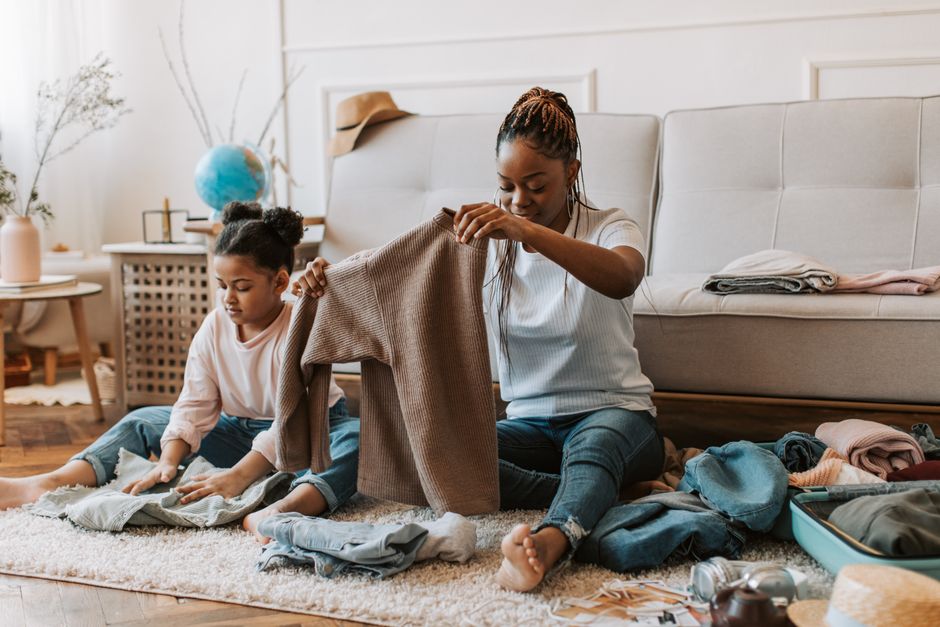
The clearest way to pack light is to count uses instead of outfits. A city break usually includes one long walking day, a slower museum day, a travel day, and at least one evening when you want to look sharper. The table below covers those uses without relying on daily hotel laundry.
Use this five-day clothing count
| Item | Quantity | Why it earns space |
|---|---|---|
| Short-sleeve tops | 3 | Rotate them across warm days and under layers |
| Long-sleeve top | 1 | Adds warmth and works for dinner |
| Light sweater or fleece | 1 | Handles cool mornings and air-conditioned rooms |
| Walking trousers | 1 | Main daytime bottom for three or four wears |
| Second trousers or skirt | 1 | Gives you a clean alternative for evenings |
| Underwear | 5 pairs | One fresh pair per day |
| Socks | 4 pairs | Enough for a five-day trip with one repeat |
| Sleepwear | 1 set | Separate from daytime clothing |
| Weatherproof shell | 1 | Protects the whole outfit from light rain and wind |
Keep the laundry backup small
Pack one 20-gram travel detergent sheet or a 30-milliliter bottle of liquid detergent. Wash a T-shirt and underwear in the sink on night three, press them inside a towel, and hang them near moving air. This gives you a spare day without packing extra shirts.
Skip the “just in case” jeans, second sweater, and formal shoes. They are the items most likely to stay untouched while making the bag harder to lift onto trains and stairs.
Which shoes and warm layers deserve bag space?
My pick for most five-day city breaks is one broken-in walking shoe, not two pairs of ordinary shoes. Pavement, stairs, and long museum days punish a shoe that felt fine for ten minutes in a shop. Wear the walking pair during travel and pack only a lightweight backup if the forecast shows heavy rain or you have a formal event.
Choose the walking shoe before choosing the outfit
The Allbirds Tree Runners, usually listed around $98, are a good warm-weather choice for travelers who want a light, washable knit upper and a casual look. They are not my choice for persistent rain or steep cobblestones because the soft upper offers limited weather protection.
For wetter routes, the Merrell Moab Speed 2, often priced around $140, gives you more grip and a firmer sole. Choose it for hilly cities such as Porto or Edinburgh. Do not buy it for a short, style-focused trip if you dislike athletic-looking footwear; the extra structure adds bulk and rarely helps on flat streets.
Wear your selected pair for at least two full walks before departure. A blister treatment kit with hydrocolloid patches weighs less than a second pair of shoes and solves a more likely problem.
Use one compact layer for cold mornings
The Uniqlo Ultra Light Down Jacket, commonly listed around $80, is the best space-saving warm layer for dry, cool forecasts. It compresses into a small pouch and works under a rain shell. It is a poor choice for wet weather on its own because down loses warmth when soaked.
For damp destinations, choose a thin synthetic jacket such as the Patagonia Nano Puff, often around $239. It costs more and may feel warmer than you need, but synthetic insulation keeps working better after light moisture. For a mild coastal trip with little wind, skip an insulated jacket and take a merino sweater plus a shell instead.
How to pack the bag in 20 minutes
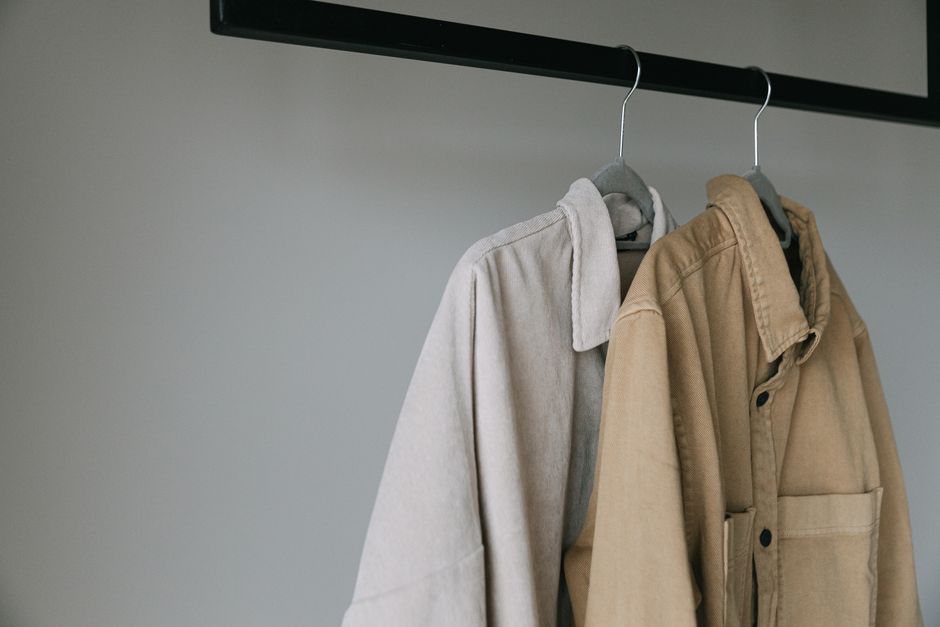
Pack in a fixed order. That stops you from adding random extras after the main decisions are finished.
Follow this five-step packing sequence
- Check the forecast twice. Look at the temperature range, rain probability, wind, and your arrival time. Use the forecast for packing decisions, not for buying a new outfit.
- Wear the heavy items. Put on the walking shoes, trousers, sweater, and outer layer for the journey. Keep the bag light and leave room for a folded shell.
- Lay out every item. Make five piles: tops, bottoms, layers, underwear, and toiletries. Remove anything that works for only one outfit.
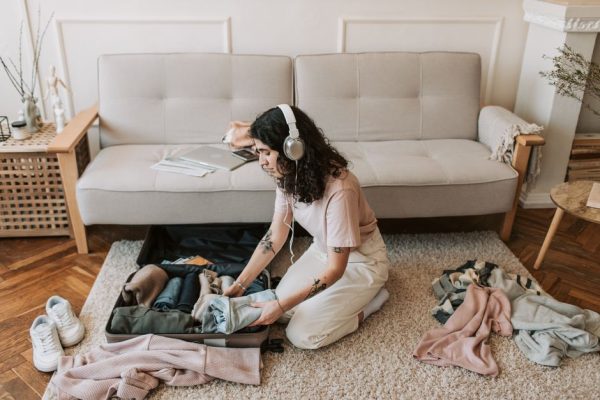
- Pack by access. Put underwear and the next day’s top near the opening. Place shoes in a washable bag at the bottom. Keep medication, passport, charger, and rain shell where you can reach them quickly.
- Test the weight. A comfortable target is 7–9 kilograms for a small carry-on. Lift the packed bag, walk around your home for five minutes, and remove the least useful item before leaving.
Use packing cubes only for separation
The Eagle Creek Pack-It Isolate Cube, usually around $25 for one cube, works well for underwear and socks because its slim shape keeps small items together. Do not fill every cube simply because you own them. Cubes organize space; they do not create more space.
A folded tote bag is more useful than a second day bag. It can hold a sweater during a warm afternoon, groceries on the way back, or laundry that needs separating from clean clothes.
What packing mistakes cause the most trouble?
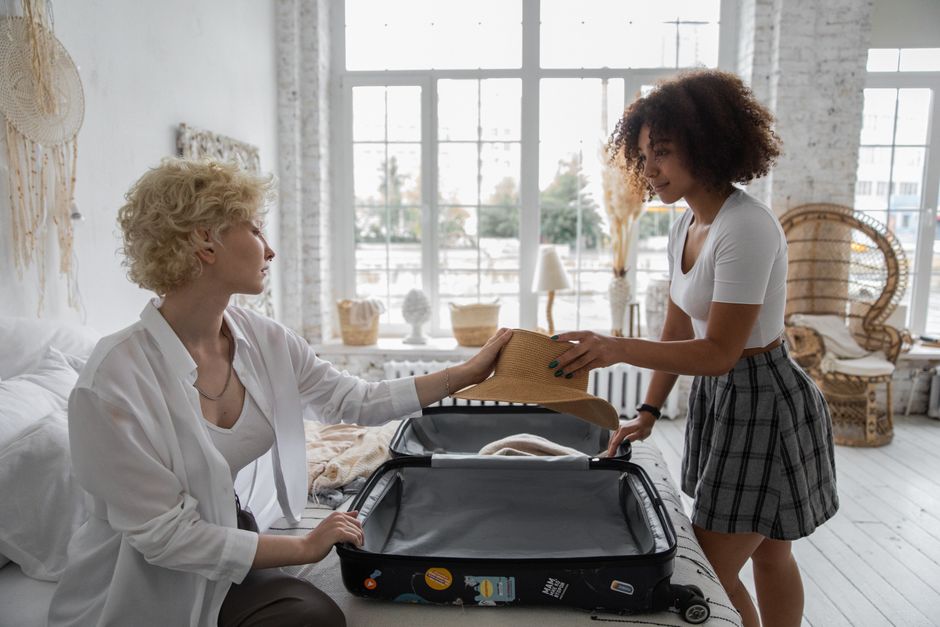
The best shoulder-season bag leaves room for weather changes and walking mistakes. It does not try to cover every imaginary event.
What should you leave at home?
Leave the second bulky jacket, full-size toiletries, stiff new shoes, and clothing that needs special ironing. Hotels, pharmacies, and supermarkets can cover small gaps. They cannot make a heavy bag pleasant on a five-day trip.
Do not pack a coat for the coldest possible hour if a thin jacket and shell solve the same problem. Do not pack sandals for a forecast that stays below 16°C unless you already know you will use them indoors.
What if the forecast changes after you pack?
Keep one flexible layer accessible rather than burying it under clothes. If rain increases, wear the shell and use the same tops underneath. If temperatures rise, remove the middle layer and carry it in the tote. If the trip turns colder, buy a low-cost scarf locally instead of carrying a spare sweater for five days.
That system protects the essentials: dry feet, clean base layers, one warm layer, and a bag light enough to carry between the station, hotel, and first museum stop.