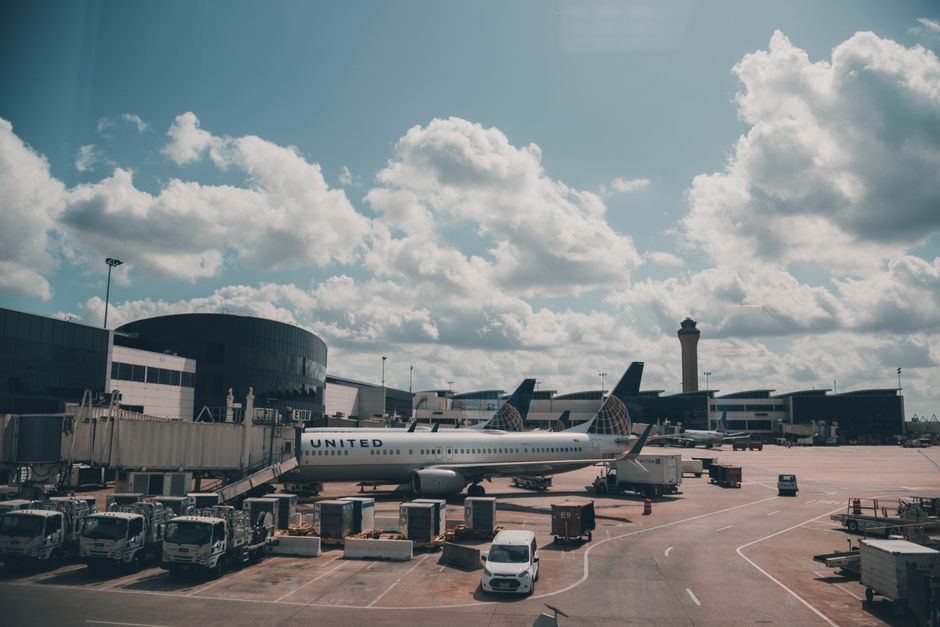
The best airport layover reset is simple: walk for five minutes, stretch your calves and hips, then eat protein with a slow-burning carbohydrate. That combination does more for stiffness and energy than another coffee and a pastry. You do not need a gym, a yoga mat, or a perfect terminal.
Use the plan below for a layover of 45 minutes or more. It also works during a delayed flight, when sitting near the gate for two hours can leave your back, ankles, and neck feeling worse than the flight itself.
Use this 10-minute layover stretch sequence
Move before you settle into the gate area. A short walk raises circulation, while controlled stretches target the muscles that tighten during flights: calves, hip flexors, hamstrings, chest, and upper back. Keep every movement comfortable. Airport floors are hard, and rushing through a stretch while watching the departure board defeats the point.
The exact airport sequence
| Minutes | Movement | How to do it |
|---|---|---|
| 0-2 | Brisk walk | Walk one terminal section at a pace that raises your breathing slightly. |
| 2-4 | Calf raises | Hold a rail, lift both heels 15 times, then repeat with slow control. |
| 4-6 | Standing hip stretch | Step one foot back, tuck your pelvis, and hold each side for 30 seconds. |
| 6-8 | Upper-back rotations | Cross your arms and rotate gently left and right for eight repetitions. |
| 8-10 | Breathing and water | Take six slow breaths and drink 8-12 ounces of water. |
Why this order works
Walking first warms the body without making you sweat. Calf raises then pump blood through the lower legs, which often feel tight after a flight. The hip stretch counters hours of sitting with the knees bent. Upper-back rotations open the area that gets rounded over a phone or laptop. Finish with water and breathing so you reach the gate calmer, not flushed and hurried.
Do not bounce, force a range of motion, or stretch beside a moving walkway. If a movement causes sharp pain, stop and choose an easy walk instead.
Choose snacks that prevent an energy crash
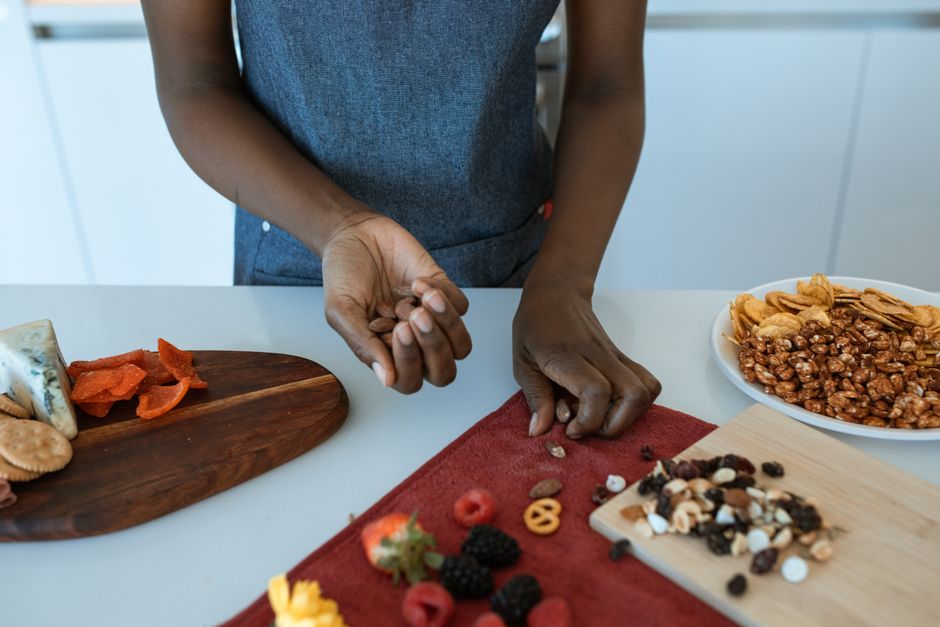
The best layover snack has two parts: protein for staying power and carbohydrate for usable energy. A sugary drink or a giant cinnamon roll may feel helpful for 20 minutes, but the quick rise and fall can leave you foggy before boarding. Airport food also carries a convenience markup, so a small, planned snack often costs less than an impulsive meal.
A practical snack comparison
| Snack | Useful detail | Best use |
|---|---|---|
| Banana with almonds | Roughly 25-30g carbohydrate plus 5-6g protein, depending on portion | A short layover when you need light fuel |
| Greek yogurt with berries | Often 12-18g protein per single serving | A longer layover when refrigeration is available |
| RXBAR Chocolate Sea Salt | 1.83 ounces, commonly labeled at 12g protein and about 210 calories | A compact option when you cannot find fresh food |
| KIND Dark Chocolate Nuts & Sea Salt | 1.4 ounces, commonly labeled at 6g protein and about 180 calories | A smaller snack before a normal meal |
| Sargento Balanced Breaks | Usually about 1.5 ounces with roughly 7g protein | A mix of cheese, nuts, and dried fruit |
The airport-price reality
At a grocery store, a packaged bar may cost $1.50-$3. At an airport, the same type of item can reach $3-$6, and a small yogurt or fruit cup may cost $5-$9. Package formulas and prices change, so check the label rather than trusting the front-of-pack claim. For most travelers, the clear winner is a modest portion of protein plus fruit or oats, not the biggest snack available.
Bottom Line: Pick a snack with at least 6g of protein and a moderate carbohydrate source. That is enough to bridge a layover without turning the gate into a full meal.
When the layover is too short for a full reset
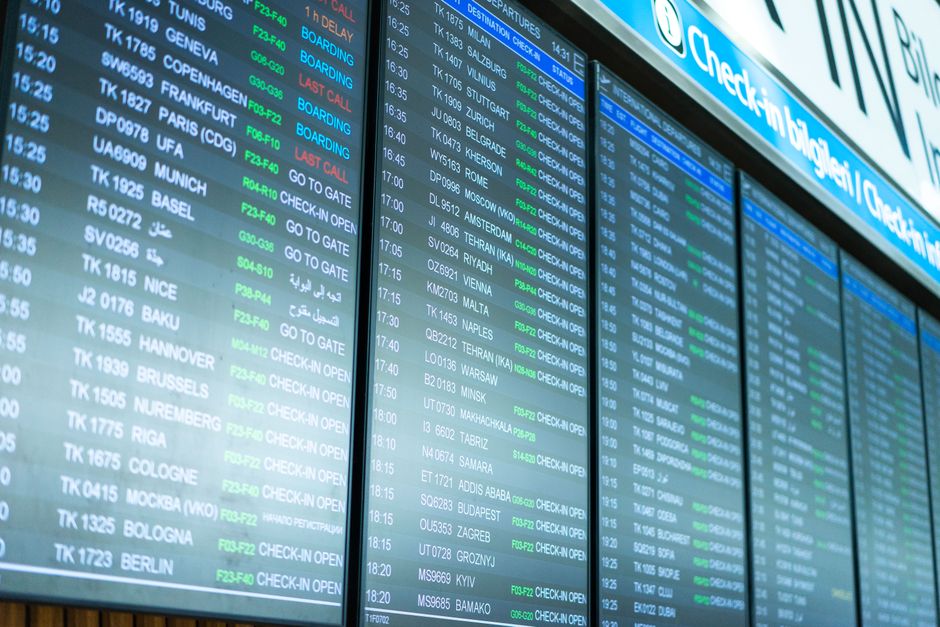
A 35-minute connection does not justify racing to a quiet corner for a complicated routine. The winning strategy is to protect the connection first, then use small movement blocks that fit the route to the gate.
Use this short-connection checklist
- Walk directly to the next gate and confirm the boarding area before buying food.
- Take the stairs for one level if your bag is light and the airport layout makes it safe.
- While waiting at the gate, perform 15 calf raises and eight shoulder rolls.
- Stand during the first five minutes of the wait instead of sitting immediately.
- Buy water and one compact snack only after you know the gate and boarding time.
- Set a timer for 10 minutes before boarding so stretching does not become a missed-flight risk.
What to skip
Skip a full meal, a long walk to a distant restaurant, and any stretch that requires lying on the floor. Do not rely on a tight connection to burn off a heavy meal. If you have only 10 minutes between gates, the best plan is water, a few calf raises, and a snack you can carry onto the aircraft when airport rules allow.
For a short connection, convenience beats optimization. A missed flight costs more than an overpriced snack, and no stretch is worth arriving at the gate after the door closes.
My pick is protein plus slow carbs
Choose the pairing, not the food trend. My first choice for most travelers is fruit with nuts, yogurt with oats, or a bar with meaningful protein plus water. This gives you a useful mix of quick and slower energy without the heavy, greasy feeling that often follows fried airport food.
Three pairings that earn their space
- For a morning flight: Greek yogurt, berries, and a small oat packet. The yogurt adds protein, while oats and fruit provide carbohydrate that lasts longer than a sweet coffee drink.
- For a late afternoon delay: RXBAR Chocolate Sea Salt with a banana. The bar is compact, while the banana adds carbohydrate and moisture. Check the label because flavors and formulas can change.
- For a light pre-boarding snack: KIND Dark Chocolate Nuts & Sea Salt or Sargento Balanced Breaks with water. These work best when you need something small, not dinner.
When not to choose a packaged bar
Do not buy a dense bar if you already feel nauseated, dehydrated, or overly full. Many bars contain dates, syrups, nuts, or sugar alcohols that can bother sensitive stomachs. In that situation, choose a banana, plain crackers, soup, or yogurt if available. Travelers with nut allergies should treat shared airport displays as a cross-contact risk and read the full allergen label.
Bottom Line: For the broadest range of travelers, fruit plus nuts is the best default. A packaged bar wins only when portability matters more than freshness.
Airport layover snack questions travelers ask
Should I drink coffee during a layover?
Yes, if caffeine normally agrees with you, but cap the decision at one regular serving and drink water with it. A large coffee on top of poor sleep can increase jitters, bathroom trips, and the urge to buy a sugary snack. Coffee is a tool for alertness, not a substitute for food or rest.
Can stretching reduce swollen ankles?
Gentle walking, ankle pumps, and calf raises may ease ordinary stiffness after sitting. They do not diagnose or treat a medical condition. Sudden swelling, pain, warmth, or one-sided changes need medical attention. Do not massage a painful swollen leg while waiting for a flight.
What should I eat before a long flight?
Choose a moderate meal with protein, carbohydrate, and some fiber. Rice with chicken, a bean-and-grain bowl, or yogurt with fruit is usually easier to manage than a huge fried meal. Leave enough time to eat slowly and walk before boarding.
Are airport snacks worth the price?
Sometimes. A $4-$7 snack can be reasonable when it prevents an energy crash or a $15 impulse meal. The best value is still a small item with clear nutrition, not a large package bought because the terminal makes every purchase feel urgent.
Avoid these layover mistakes
The biggest travel mistake is treating the airport like a waiting room where the only job is to sit. The second is trying to fix six hours of inactivity with one aggressive stretch. Use small actions repeatedly instead.
Common failures
- Eating a very salty meal and then drinking too little water.
- Choosing a snack with 20-30g of added sugar when you still have several hours of travel.
- Stretching beside a moving walkway, escalator, or crowded boarding lane.
- Buying a snack before checking the gate, then discovering the next gate is a 20-minute walk away.
- Trying a new supplement, energy drink, or unfamiliar food before an important connection.
The cost test
Airport food is a small personal-finance decision. A $6 snack paid from cash or a debit balance costs $6. Put it on a credit card and carry the balance at 24%-30% APR for a year, and the item becomes more expensive if you do not pay it off. A $15 meal at 29.99% APR can add about $4.50 in simple annual interest before compounding, depending on the issuer and payment timing. This is not financial advice; it is a reminder that convenience spending feels cheaper when the final cost is delayed.
Buy the smallest useful portion, drink water, keep moving, and leave when the gate begins boarding. That routine solves the actual layover problem: too much sitting, too little planning, and food chosen under time pressure.