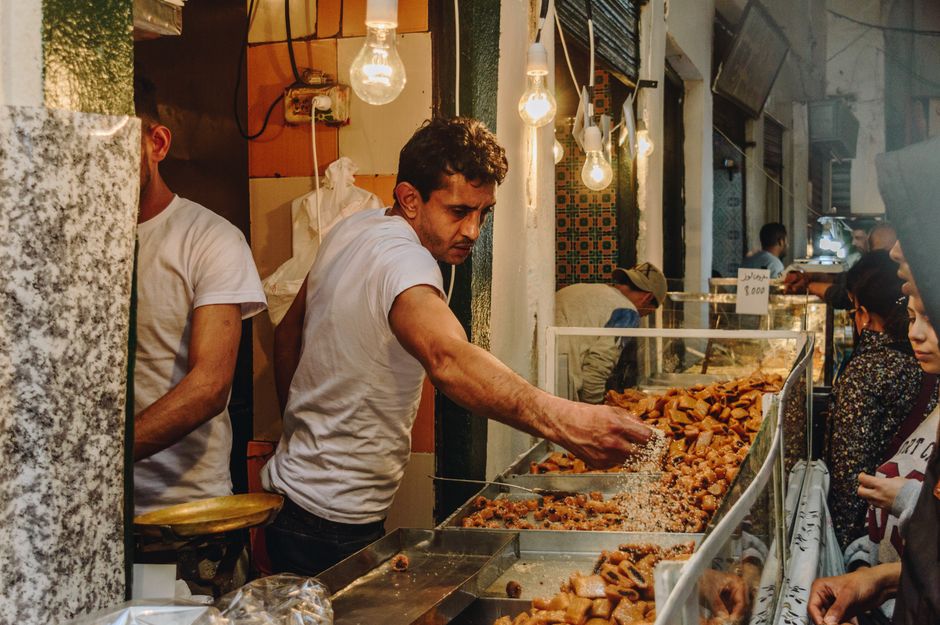
You arrive in Bangkok hungry, smell grilled pork, and see a busy stall with ten people waiting. Then you remember every warning about food poisoning. Yes, authentic street food in Thailand is worth trying in 2026, but only if you manage the parts you can control: cooking temperature, turnover, raw ingredients, hand hygiene, and drinking water. The right approach is selective, not fearful.
Is Thai street food actually risky for travelers?
Where the risk starts
The main risk is not that a dish is sold outdoors. It is the combination of warm weather, limited running water, raw and cooked ingredients sharing surfaces, and food sitting at an unsafe temperature. Bacteria multiply quickly in lukewarm food. Raw seafood, raw vegetables, untreated water, and ice can also carry germs. The CDC Thailand guidance describes street food as convenient and inexpensive but says it can contribute to travelers’ diarrhea when hygiene and water access are poor.
Authentic does not mean careless
A long queue is a useful clue because high turnover means ingredients spend less time sitting around, but a queue does not prove a stall is safe. Watch the cooking process instead. The vendor should handle raw meat separately, cook your portion fully, and serve it hot. A steaming noodle soup or grilled chicken cooked to order is a better first choice than raw oysters or a salad prepared hours earlier. My verdict is clear: street food is a reasonable part of a Thailand trip when you choose the process, not just the dish.
Which Thai street foods are the safest first choices?
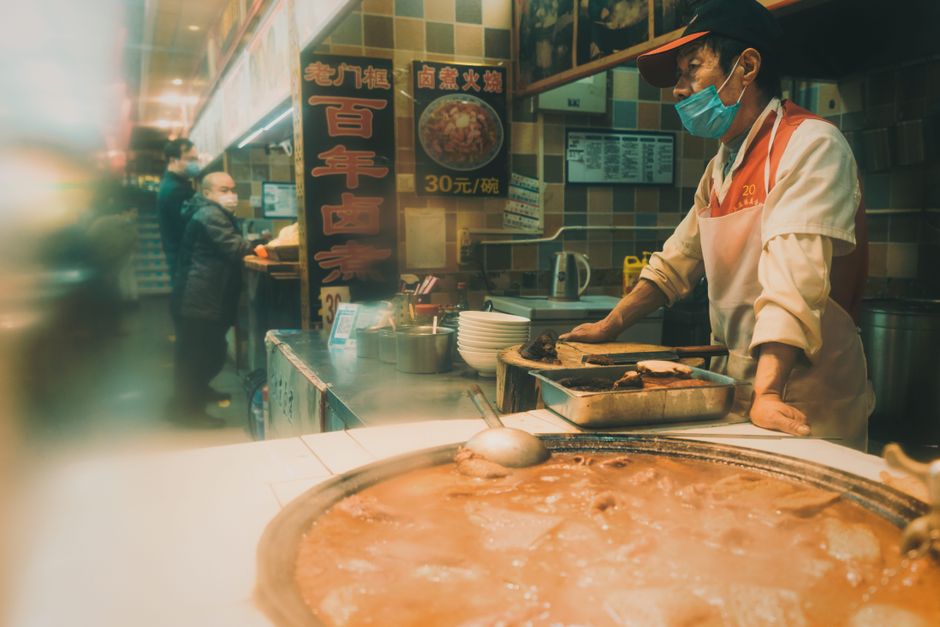
Start with dishes cooked hot and fast
Use this table for your first meal, especially during the first two days of a trip. It ranks common dishes by how easy it is to see them cooked and served hot.
| Dish | Safer order | Main risk | Verdict |
|---|---|---|---|
| Pad Thai | Ask for a fresh wok order | Eggs or prawns left warm | Best beginner choice |
| Moo ping | Choose skewers grilled in front of you | Partly cooked pork | Good if steaming hot inside |
| Khao man gai | Choose a busy stall with fresh batches | Cooked chicken held too long | Good at lunchtime turnover |
| Noodle soup | Eat broth and noodles immediately | Raw garnishes or shared utensils | Strong low-risk option |
| Som tam | Request no raw crab or raw seafood | Raw ingredients and shared pestle | Order a cooked-protein version |
| Fresh fruit | Peel a whole fruit yourself | Pre-cut fruit washed with unsafe water | Choose bananas, oranges, or mangos |
Treat garnishes as a separate decision
The lime, herbs, cucumber, peanuts, and chili sitting beside your meal may not have received the same heat as the main dish. Skip raw bean sprouts, leafy salads, and pre-cut fruit when the preparation area looks wet or crowded. Add your own packaged chili or sauce only after the hot food arrives. The winner for a first street-food meal is a fresh pad thai, noodle soup, or grilled skewer served immediately.
How to choose a safer street stall in five minutes
Use this six-point stall check
- Watch the queue. Pick a stall with steady local customers and quick turnover.
- Watch the heat. Choose food that is bubbling, steaming, or visibly grilled to order.
- Check separation. Raw meat should not touch cooked food, plates, or serving tongs.
- Check the water. Look for a clean covered container or a clear system for washing utensils.
- Check the hands. A vendor who handles cash and then touches cooked food without changing tools is a warning sign.
- Check the holding time. Avoid trays of rice, seafood, or meat that look dry, warm, or untouched.
Apply the 60/5 rule
The simple temperature rule comes from the WHO Five Keys to Safer Food: keep cooked food above 60°C and cold food below 5°C when possible. You will not carry a thermometer through every market, so use visible signs. Soup should be steaming. Fried food should feel hot and crisp. Cold ingredients should stay on ice or inside a chilled container. If food has been sitting in the open sun, choose another stall. This check takes less than five minutes and gives you better information than judging a vendor by appearance alone.
What should you drink and pack for food safety?
Pack three practical backups
These are not substitutes for good choices, but they make a bad stomach day easier to manage. A 2-ounce Purell Advanced Hand Sanitizer bottle fits in a day bag and is useful when a market has no soap. The LifeStraw Peak Series Personal Water Filter uses a 0.2-micron membrane, while the Sawyer MINI uses a 0.1-micron filter; both are backup tools for treated water decisions, not permission to drink unknown water or use questionable ice. DripDrop ORS single-serve packets can help replace fluids and electrolytes if diarrhea begins, provided you mix them exactly as the label directs.
Drinks are where good meals go wrong
Choose commercially bottled water with an intact factory seal. Open it yourself. Sealed cans, bottled soft drinks, and tea or coffee made with freshly boiled water are safer choices. Ice deserves caution because you cannot see the water used to make it. Skip ice when the source is unclear, especially at a roadside stall. Do not brush your teeth with tap water if local guidance says the supply may be unsafe. A filter bottle also does not fix a contaminated cup, straw, or ice machine. My packing verdict: carry hand sanitizer and oral rehydration salts, but make sealed water your daily default.
When should you avoid street food completely?
Should pregnant travelers eat street food?
Pregnant travelers should take the strictest route: skip raw seafood, undercooked eggs, unpasteurized dairy, raw sprouts, and pre-cut fruit. Choose food cooked fully and served steaming hot from a busy stall or established restaurant. Pregnancy does not mean avoiding Thailand, but it does make a stomach infection harder to manage, so a hot rice dish is a smarter choice than raw shellfish or a room-temperature buffet.
What if you have a sensitive stomach?
Start with plain rice, soup, grilled chicken, bananas, and sealed drinks for the first meal. Wait before trying very spicy salads, rich coconut curries, or several unfamiliar dishes at once. Chili is not the same as food contamination, but it can make cramps and diarrhea feel worse. For travelers with inflammatory bowel disease, immune problems, or regular prescription medicines, speak with a travel clinician before departure and use a restaurant with reliable refrigeration during the trip.
When should you walk away?
Leave when cooked food is lukewarm, raw meat sits beside herbs, insects cover ingredients, the oil smells rancid, or a vendor repeatedly reuses dirty plates. Do not let a low price overrule an obvious hygiene problem. The best alternative is a busy local restaurant where food is cooked to order and water, refrigeration, and handwashing are easier to control.
What should you do if Thai street food makes you sick?
Act during the first six hours
Stop eating solid food for a short period if nausea is strong, then take small, frequent sips of sealed water or oral rehydration solution. Rest in a cool room. Avoid alcohol and heavy dairy products. Do not blame the last meal automatically; illness can appear hours or days after contaminated food or water. Record what you ate, when symptoms started, and whether you have fever, vomiting, or blood in the stool. That information helps a clinic assess you.
Know the red flags
Seek medical help promptly for blood in the stool, high fever, severe abdominal pain, repeated vomiting, confusion, fainting, signs of dehydration, or diarrhea that keeps worsening. Children, older adults, pregnant travelers, and people with weakened immune systems should get advice earlier. Do not start leftover antibiotics without medical guidance. Some infections need a different treatment, and unnecessary antibiotics can create new problems.
The final decision
Authentic street food in Thailand is worth the risk when the food is cooked to order, served hot, and paired with sealed drinks. For your first meal, choose a busy stall selling pad thai, noodle soup, or grilled skewers; skip raw garnishes and unclear ice. That plan gives you the flavor and local experience you came for while keeping the avoidable risks small.