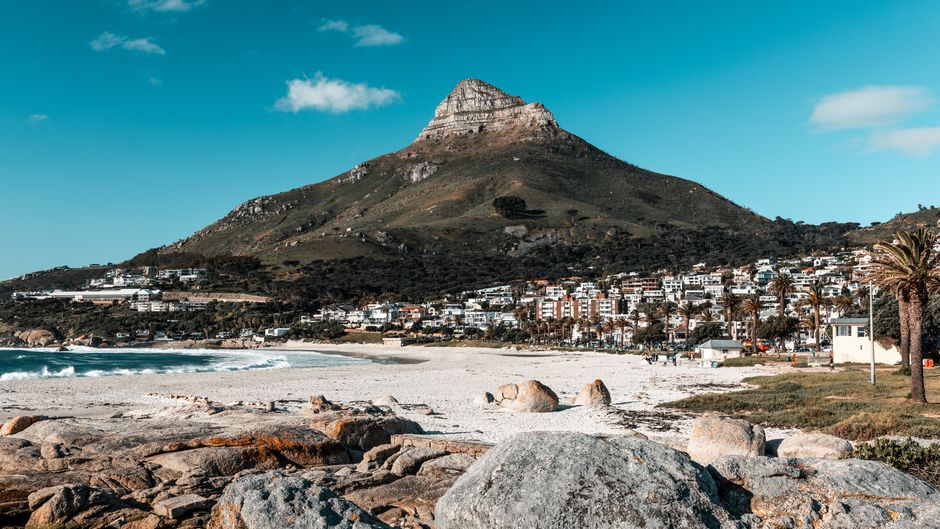
You arrive in Cape Town with five days, a hotel near the V&A Waterfront, and a long list of places that sit in different directions. Table Mountain is above you. Camps Bay is west. The penguins are south. Stellenbosch and Franschhoek are inland. A poorly planned trip turns into long drives, missed weather windows and one rushed wine tasting before dinner.
The fix is simple: group Cape Town by geography and let the weather decide the mountain day. This route gives you the major views, a proper beach day and time in the Winelands without treating the city like a checklist.
Why Cape Town works best as three separate trips
Cape Town is not one compact sightseeing district. It is a city shaped by a mountain, a peninsula and an inland valley. Each area has a different pace, climate and transport problem. The best itinerary respects those differences.
The mountain is a weather appointment
Table Mountain rises to 1,086 metres, and its summit can sit inside cloud while the beaches enjoy clear sunshine. Wind can also stop the cableway. That makes Table Mountain a poor fixed-date booking. Put it near the start of your stay, then keep one later day open as a replacement. If the forecast shows low cloud or strong wind, switch plans instead of spending half a day waiting at the lower station.
The peninsula needs a full day
Cape Point, the Cape of Good Hope, Simon’s Town and Boulders Beach form one southern route. They look close on a map, but coastal roads, viewpoints and wildlife stops add time. Driving from the city to Boulders Beach takes roughly 45 minutes in light traffic, while Cape Point sits farther south. Add parking, queues and short walks. A rushed four-hour visit misses the reason to go.
The Winelands are a separate mood
Stellenbosch, Franschhoek and Paarl are not quick add-ons after Table Mountain. They reward slow mornings, cellar visits and a long lunch. Constantia is the exception. It sits close to Cape Town and works well as a half-day wine stop. The three-zone rule is the key planning idea: keep mountain and city sights together, keep the peninsula together, and give the inland Winelands their own day.
How to build a five-day Cape Town itinerary
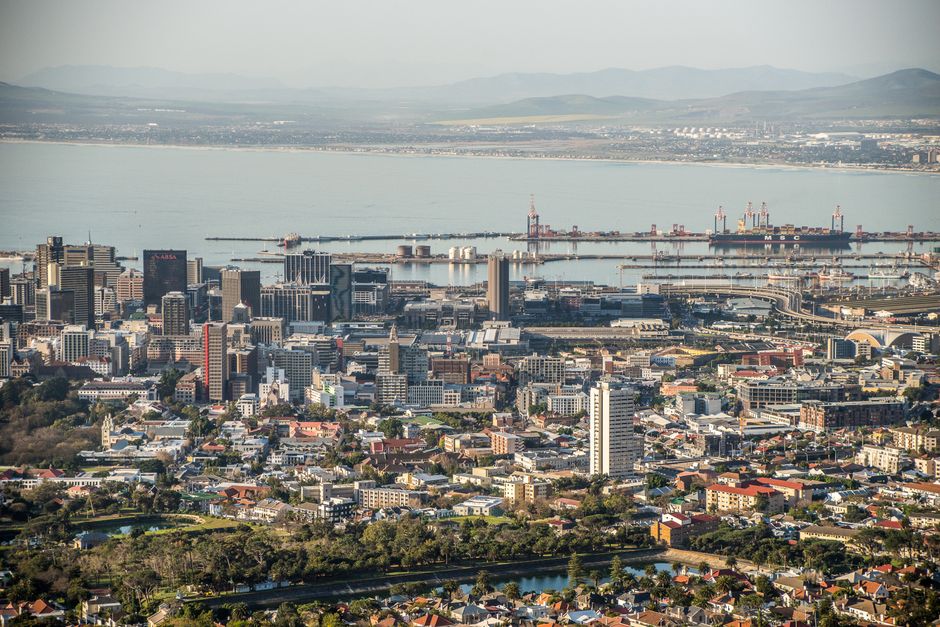
The schedule below puts the most weather-sensitive activity first. It also limits backtracking. Move the mountain day when the forecast changes, but keep the general order.
| Day | Morning | Afternoon | Evening |
|---|---|---|---|
| 1 | Table Mountain or city museum backup | Bo-Kaap and Company’s Garden | V&A Waterfront dinner |
| 2 | Clifton and Camps Bay | Sea Point promenade | Signal Hill sunset |
| 3 | Boulders Beach | Cape Point and Cape of Good Hope | Simon’s Town or Kalk Bay |
| 4 | Stellenbosch or Franschhoek | Wine estate lunch and tasting | Return before dark |
| 5 | Weather backup or Kirstenbosch | Constantia, Woodstock or the Waterfront | Last views and relaxed meal |
The order that saves the most time
Use Day 1 for Table Mountain if the sky is clear. You will still have four chances to move the visit later. Put the peninsula on its own day because combining it with the Winelands creates too much road time. Keep Day 5 flexible. That spare day protects the trip from wind, rain, delayed flights or simple exhaustion.
Where to stay
For a first visit, the City Bowl, Gardens, De Waterkant or the V&A Waterfront make the strongest base. Camps Bay is attractive but less convenient for city museums and early departures. Stellenbosch works for a wine-focused stay, not for a first-time Cape Town trip built around beaches and Table Mountain.
How to visit Table Mountain without losing the day
Table Mountain deserves priority, but it also creates the most common planning failure: visitors book one morning, arrive in cloud, then waste the rest of the day in a queue. Use a flexible decision rule.
- Check the mountain forecast before breakfast. Look at cloud, wind and the official cableway status. A clear view from the city does not guarantee a clear summit.
- Choose the cableway for views and time. The Table Mountain Aerial Cableway takes about five minutes to reach the upper station. The official online adult return rate listed for 1 July 2026 to 30 June 2027 is R475; the ticket-office rate is R530. Online tickets remain valid for seven days, which helps when weather changes.
- Choose hiking for the experience, not as a shortcut. Platteklip Gorge is steep and exposed. Carry at least 1.5 litres of water per person, wear shoes with grip and allow several hours for the climb, summit walk and descent. Do not start late to chase sunset.
- Keep a low-risk backup. Kirstenbosch, the District Six Museum, the Zeitz MOCAA and the Bo-Kaap give you strong alternatives when the upper mountain closes. They also work after a delayed flight.
- Do not force the schedule. If the cableway closes for wind, accept the change. Your weather backup is more valuable than a non-refundable lunch reservation at the top.
My clear recommendation: take the cableway if Table Mountain is your main visual goal and the weather is good. Hike only when the route itself matters to you. The mountain does not become a better experience because you made the day harder.
Which Cape Town beach should you choose?
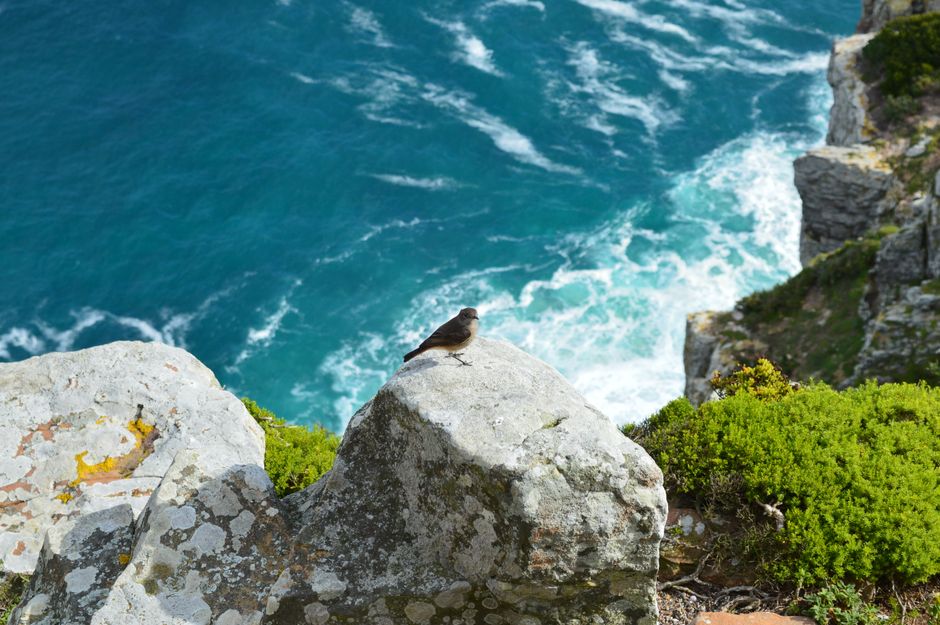
For a first visit, choose Clifton for shelter, Camps Bay for atmosphere and Muizenberg for a warmer, more active beach day. No single beach wins every category.
Clifton for a protected swim spot
Clifton’s four beaches sit behind large granite boulders that reduce the Atlantic wind. The water stays cold, but the setting is excellent for sunbathing, a short swim and a picnic. The beaches are smaller than Camps Bay, so arrive early on hot weekends. Use the stairs carefully when carrying bags.
Camps Bay for restaurants and sunset
Camps Bay is the easiest beach for a first-time visitor who wants a wide strip of sand, a mountain backdrop and restaurants within walking distance. The tradeoff is wind, traffic and higher restaurant prices. Treat it as a scenic afternoon rather than a guaranteed swimming beach. The Atlantic water can feel shockingly cold, even in summer.
Muizenberg for warm water and beginners
Muizenberg sits on False Bay, where the water is usually warmer than on the Atlantic side. Its long beach, colourful changing huts and gentle surf make it the strongest choice for beginner lessons and families who want space. It is farther from the City Bowl, so combine it with Kalk Bay rather than driving there for a quick photograph.
For penguins, visit Boulders Beach near Simon’s Town. The official visitor area is managed separately from the nearby beaches, and the international adult conservation fee listed for 1 November 2026 to 31 October 2026 is R245. The penguins are the reason to visit; the beach itself is not the best place for a long swim.
Transport, costs and the clearest trip choice
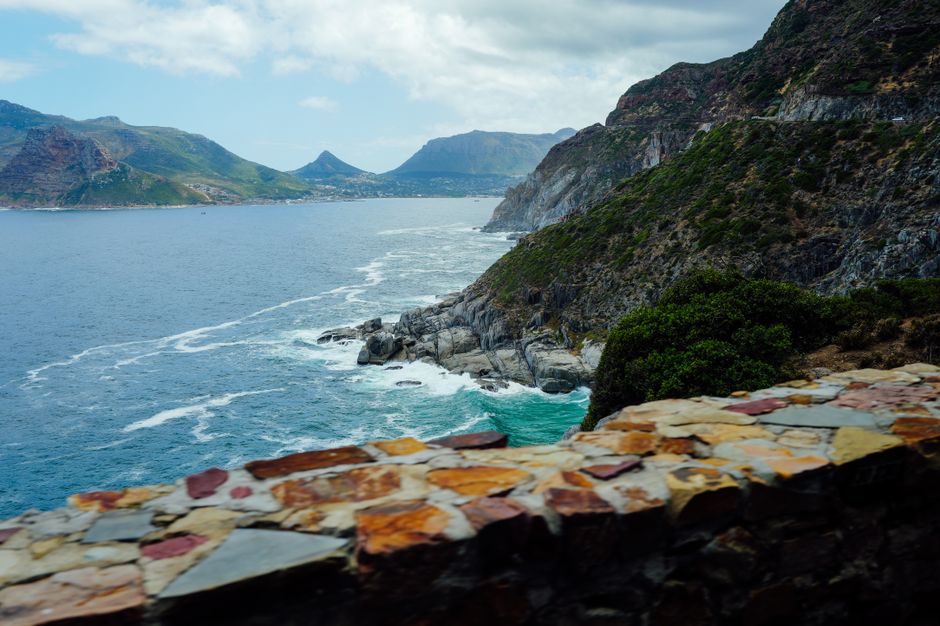
Cape Town rewards a mixed transport plan. Use walking and short rides in the central districts, a car or guided day tour for the peninsula and Winelands, and public transport on routes that match your base. Do not assume one ticket or one pass will solve every day.
When the main options make sense
The City Sightseeing Cape Town Red Bus is useful for a first orientation day. Its one-day adult ticket is listed at R375 and covers the Red City, Blue Mini Peninsula and Purple Constantia routes, with commentary in 15 languages. It is convenient, but traffic can make a route slower than expected. MyCiTi is better for lower-cost movement along its network; the 2026/26 one-day pass is R90, but fares can change each July. A rental car gives the most freedom outside the city, yet parking, left-side driving and wine-tasting safety make it a poor choice for a heavy tasting day.
What to budget for the major days
Prices change, so treat the figures below as planning benchmarks rather than permanent promises. Cape Point fees also change with the SANParks tariff year. The international adult conservation fee for the Cape of Good Hope section was R515 for 1 November 2026 to 31 October 2026. Boulders Beach has a separate entry fee. Budget for both if you visit both sites.
| Trip goal | Best choice | Known benchmark | Main tradeoff |
|---|---|---|---|
| Fast mountain visit | Table Mountain Aerial Cableway | R475 online adult return from July 2026 | Weather can close service |
| City orientation | City Sightseeing Cape Town | R375 adult one-day ticket | Traffic affects timing |
| Low-cost city travel | MyCiTi | R90 one-day pass in 2026/26 | Routes do not reach every attraction |
| Wine-focused day | Guided Winelands tour | R955 adult for a three-region example | Less time to choose your own estates |
| Peninsula wildlife day | Rental car or guided tour | Cape Point fee was R515 adult | Long driving day |
For most first-time visitors, the strongest combination is simple: cableway or hike on the clearest day, Clifton or Camps Bay for the Atlantic coast, one full peninsula day, and one unhurried Winelands day. That balance gives you the views without turning Cape Town into a race.