If you are standing at the gate with a backpack that looks slightly too tall, the airline agent may not care that the bag holds 40 liters. The useful question is simpler: can the packed bag fit the airline’s sizer, and can you carry it for six hours without sore shoulders? For most travelers, the best starting point is a soft-sided backpack between 35 and 40 liters, no more than 22 x 14 x 9 inches, with a real hip belt and a padded laptop sleeve.
Use the measurements below before you shop. Then compare the bag’s empty weight, frame, harness and usable shape. A large backpack that wastes space around the zipper is a worse buy than a smaller bag that opens flat and keeps heavy items close to your back.
How much backpack capacity do you really need?
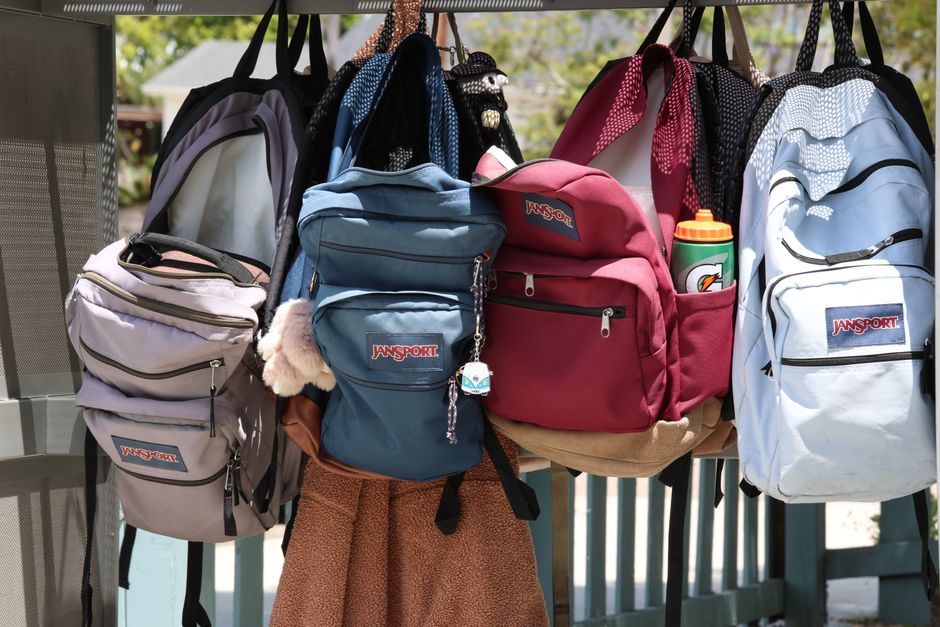
Capacity numbers are useful only when you connect them to packing behavior. A 40-liter bag does not give you 40 liters of easy-to-use space if the frame, laptop compartment and thick padding consume several liters. For most travelers, the winning range is 35 to 40 liters. Larger bags invite overpacking and can become uncomfortable before they become full.
- Start with your trip length. For a two-night trip, 25 to 30 liters usually works with one pair of shoes and a small toiletry kit. A 35-liter bag covers three to four nights for a light packer. A 40-liter bag suits five to seven nights when you use laundry facilities.
- Count bulky items first. Shoes, sweaters and jackets decide the bag size. One pair of sneakers can take 6 to 8 liters by itself. Wear the heaviest shoes on the plane and use the bag for flat clothing, underwear and a compact wash kit.
- Reserve space for the return trip. Pack to about 80 percent of the bag’s claimed capacity. This gives you room for snacks, a folded jacket or small purchases without forcing the zippers closed.
- Test the weight, not just the volume. Fill the bag with water bottles or books until it reaches your planned travel weight. Most people notice shoulder strain around 9 to 11 kilograms, especially when the bag has no hip belt. A smaller bag that stays under 9 kilograms is the better choice for frequent walking.
Why liters can mislead you
Two backpacks labeled 40 liters can feel very different. One may use a tall, narrow main compartment that fits folded clothes. Another may spread the same volume across a laptop sleeve, shoe pocket and front organizer. The first often carries clothing better. The second gives faster access but leaves less room for soft items.
Build a simple packing test
Use a packing cube, a pair of shoes, a sweater, three shirts, three pairs of underwear, a toiletry kit and a laptop. If those items fill the main compartment with no room for a rain shell, the bag is too small for your normal trips. If they leave a third of the space unused, choose a smaller model or add compression straps. Best capacity verdict: 35 liters is the sweet spot for light travelers; 40 liters is the better ceiling for longer trips, not a target you must fill.
Which comfort features matter after six hours?
Buy the harness before the pockets. A backpack with fewer organizers but a supportive frame will feel better on a long airport connection than a pocket-heavy bag with thin shoulder straps. The load should sit close to your back, with the heaviest items between your shoulder blades rather than hanging low near your hips.
Check the shoulder straps and hip belt
Look for shoulder straps that are at least 2 inches wide, shaped around your neck and adjustable at both the top and bottom. The sternum strap should slide up and down so it crosses your chest comfortably. A removable hip belt is useful for short walks, but it should be padded and load-bearing when the bag weighs more than 8 kilograms.
Put the empty bag on your back, tighten the hip belt first, then pull the shoulder straps until the pack touches your body. Walk for five minutes. If the straps pinch your neck, the pack is the wrong shape. If the bottom of the bag pulls away from your lower back, the frame or torso length is wrong.
Choose ventilation and access with care
Mesh panels can reduce sweat, but large air channels also push the load farther from your body. That tradeoff matters when you carry a laptop and camera. A lightly padded back panel with a close fit usually gives better control than a heavily ventilated hiking-style panel.
For airport use, a full-zip opening saves time because you can see the whole compartment. However, the zipper needs a firm track and lockable pulls. Compression straps should sit outside the main zipper so you can tighten the bag without opening it. A luggage pass-through is useful only if it sits high enough to keep the backpack balanced on a suitcase.
Comfort verdict: prioritize torso fit, a sternum strap, a real hip belt and a close-fitting back panel. Extra bottle pockets and hidden passport sleeves come after those four features.
Which carry-on backpacks are worth buying?
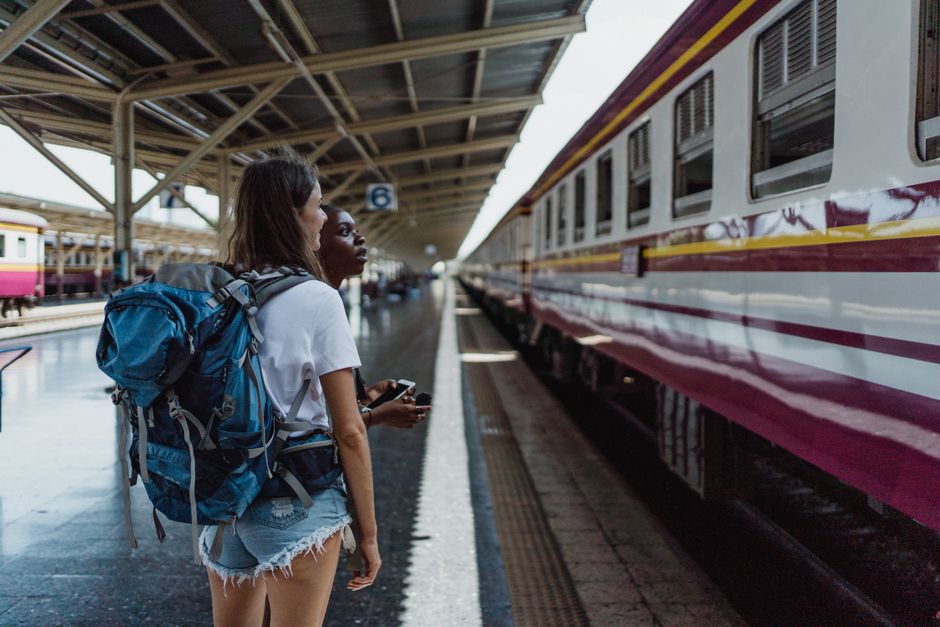
For most travelers, the Osprey Farpoint 40 is the best overall pick. It combines a 40-liter capacity, a stowable harness and a structured shape that works for both airports and walking. The right alternative depends on how you pack: choose the Cotopaxi for fast organization, the Patagonia for flexible carry modes, and the Tortuga for a more suitcase-like layout.
| Backpack | Published size | Empty weight | Typical price | Best for |
|---|---|---|---|---|
| Osprey Farpoint 40 | 22 x 14 x 9 in | About 3.3 lb | About $185 | Balanced comfort and capacity |
| Cotopaxi Allpa 35 | 22 x 12 x 9 in | About 3.5 lb | About $200 | Split organization and quick access |
| Patagonia Black Hole MLC 45 | 22 x 14 x 9 in | About 3.5 lb | About $239 | Travelers who switch between backpack and duffel carry |
| Tortuga Travel Backpack Lite 40L | 21.5 x 14 x 9 in | About 3.2 lb | About $199 | Clothing-heavy packing and laptop travel |
Pick the Osprey Farpoint 40 for long walking days
The Farpoint 40 earns the top spot because its harness feels closer to a small hiking pack than a soft suitcase. Its 40-liter capacity is enough for a week of light clothing, while the 22 x 14 x 9-inch footprint stays inside a common overhead limit. It is the strongest choice for travelers who will walk between stations, hotels and airports instead of moving only from taxi to gate.
Pick the Cotopaxi or Patagonia for different access needs
The Cotopaxi Allpa 35 is the better choice for organized packers who want a clamshell opening and separated compartments. Its 35-liter size also discourages overpacking. The Patagonia Black Hole MLC 45 suits people who want to carry the bag like a briefcase or duffel, but its larger capacity makes it easier to exceed weight limits. The Tortuga Travel Backpack Lite 40L is the better suitcase replacement when a padded laptop area and rectangular clothing space matter more than a light hiking feel.
Prices change by color, season and retailer, so treat these figures as buying benchmarks rather than permanent prices. The clear winner remains the Farpoint 40 for mixed airport and city use; choose the Allpa 35 when organization matters more than maximum volume.
When should you skip a carry-on backpack?

A carry-on backpack is not automatically the best cabin bag. It loses its advantage when you need a rigid frame, carry fragile equipment or move through airports with very little walking. The best buying decision may be to choose a different format.
Should you buy a rolling carry-on instead?
Choose a rolling suitcase when your packed load regularly exceeds 10 kilograms, when you carry formal clothing, or when you spend most of the trip on smooth floors. Two wheels handle rough pavement better; four wheels glide more easily through terminals but reduce usable interior space. A soft-sided roller also gives you more reliable protection for shoes and pressed clothing.
When is a personal item backpack better?
Choose a compact personal item backpack when your ticket includes no overhead bag or when you fly a strict low-cost carrier. Keep it below the airline’s under-seat limit, usually around 18 x 14 x 8 inches, and pack a tablet, charger, one clothing change, medication and a small wash kit. A 25-liter bag that fits under the seat beats a 40-liter bag that attracts a gate fee.
What is the most common buying mistake?
Buying by liter count alone is the most common mistake. A bag can hold 40 liters and still fail because its loaded depth exceeds the airline limit, its frame weighs 2 kilograms, or its harness does not fit your torso. Measure the packed bag, test it with your real load and check the exact fare rules before the flight. Then the nervous gate-side moment becomes routine: the backpack fits the sizer, the straps feel stable, and you walk onto the plane with the bag you chose on purpose.