Most people think Kyoto’s crowds are unavoidable. That you have to shuffle shoulder-to-shoulder through Fushimi Inari’s orange gates or wait 40 minutes for a photo at Kinkaku-ji. That’s wrong. The city has over 1,600 Buddhist temples and 400 Shinto shrines. Most visitors crowd into 10 of them. The other 1,990 sit nearly empty, even during cherry blossom season and autumn foliage peaks.
I’ve spent three trips in Kyoto across all four seasons. I’ve watched tourists pack into the Golden Pavilion like sardines while standing alone in a moss garden 15 minutes away. The problem isn’t that Kyoto is crowded. The problem is that everyone follows the same three-day itinerary. Here are five places that break that pattern. Go now, because the travel blogs are already circling.
The Stone Garden With 1,200 Faces Nobody Photographs
Otagi Nenbutsu-ji sits at the far end of the Arashiyama tourist zone, but almost nobody walks the extra 20 minutes past the bamboo grove to reach it. That’s their loss. The temple grounds hold over 1,200 stone statues of rakan, Buddha’s disciples, each carved by a different visitor during the temple’s restoration in the 1980s. No two faces are alike.
Some statues smile. Some scowl. One holds a tennis racket. Another wears sunglasses. A few cradle cats. The carvings are playful in a way Japanese temple art rarely gets to be. Moss covers most of them, which makes them look like they’ve been here for centuries instead of four decades.
Entry costs 300 yen. The temple opens at 8:00 AM and closes at 5:00 PM. Go early, before the Arashiyama day-trippers finish their bamboo photos and start wandering north. You’ll likely have the hillside to yourself.
The bus ride matters. Take Kyoto City Bus 64 or 94 from Arashiyama station. The bus winds through a residential neighborhood that feels nothing like tourist Kyoto. Get off at Otagidera-mae. The walk up the stone steps takes 10 minutes and sets the mood before you see a single statue.
A Moss Garden That Rivals Saiho-ji Without the Reservation Headache
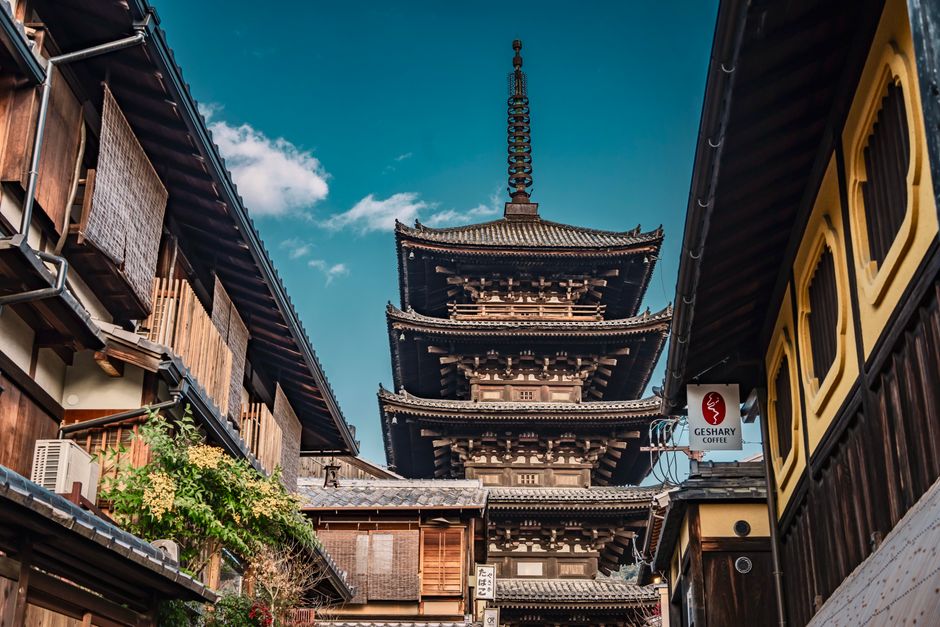
Saiho-ji, the famous moss temple, requires a postal application, a set entry time, and a 3,000-yen fee. Gio-ji asks for 500 yen and a short walk. Its moss garden is smaller but denser, carpeting the ground under a canopy of maple trees. Light filters through the leaves in a way that makes the whole space feel underwater.
Gio-ji sits at the quiet end of Arashiyama, past the Saga-Toriimoto preserved street. The walk from the bamboo grove takes about 25 minutes. Most tourists turn back before they reach it. The ones who continue find a thatched-roof main hall and a garden that feels like a secret.
The story behind the temple adds weight. Gio, a dancer from The Tale of the Heike, became a nun here after being cast aside by a powerful warlord. Her mother and sister joined her. The temple honors that grief without being heavy-handed about it.
- Entry fee: 500 yen
- Hours: 9:00 AM to 5:00 PM, last entry 4:30 PM
- Best time: Late November for red maples, June for the thickest moss
- Bus access: Kyoto City Bus 62 or 72 to Saga-Toriimoto
Shoden-ji: The Temple That Makes You Work for the View
Shoden-ji sits in Kyoto’s northern hills, far from the main tourist circuit. No direct train reaches it. You take the Karasuma subway line to Kitaoji Station, then a bus, then walk up a steep residential slope. That 25-minute climb filters out the tour groups. What waits at the top is one of the best borrowed-scenery gardens in the city.
The main hall opens onto a view of Mount Hiei framed by carefully pruned trees. The garden uses shakkei, or borrowed scenery, pulling the distant mountain into the composition. On a clear morning, the mountain looks painted onto the horizon. In autumn, the maple trees at the garden’s edge turn red against the blue-green slope of Hiei.
The temple rarely appears in guidebooks. Even during peak season, you might share the viewing platform with three or four other people. Bring a book. Sit on the tatami. Nobody will rush you.
Entry is 400 yen. The temple opens from 9:00 AM to 5:00 PM. Closed on rainy days to protect the tatami, so check the forecast before making the trip north.
Where to Stay Quiet in Kyoto: A Quick Comparison
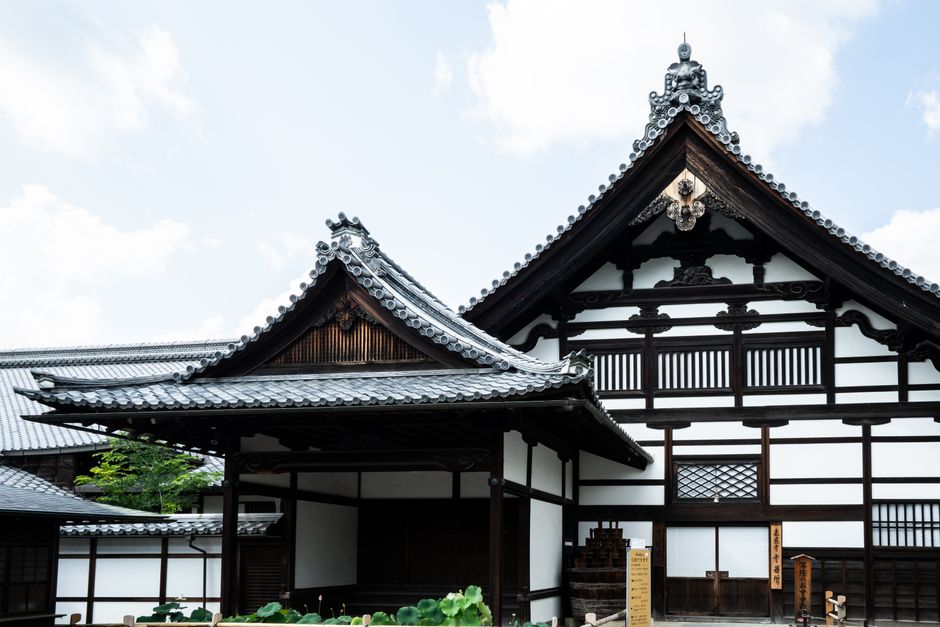
Lodging location changes everything about how you experience these hidden spots. Stay near Kyoto Station and you’ll fight crowds every morning before you even reach a temple. Stay north or west and you’ll wake up closer to the quiet places.
| Area | Best For | Average Nightly Rate (2026) | Trade-off |
|---|---|---|---|
| Arashiyama (west) | Early access to Gio-ji and Otagi Nenbutsu-ji | 18,000–35,000 JPY | Tourist-heavy during midday |
| Northern Kyoto (Kita-ku) | Walking distance to Shoden-ji | 12,000–25,000 JPY | Fewer restaurants, longer train rides south |
| Okazaki (east) | Close to Murin-an and Konchi-in, quiet evenings | 15,000–30,000 JPY | Some streets get busy during museum events |
| Central Kyoto (Nakagyo) | Convenience and dining variety | 10,000–22,000 JPY | You’ll commute 30–45 minutes to every quiet spot |
North Kyoto wins if your priority is silence. Arashiyama wins if you want early mornings at the moss garden before the day-trippers arrive. Central Kyoto is a mistake for this itinerary unless you enjoy trains.
Murin-an: A Garden Designed by a Political Mastermind
Murin-an is not a temple. It’s a villa garden built in 1896 by Yamagata Aritomo, the military leader who shaped modern Japan. He designed the garden himself, and it shows. A stream runs through the property, fed by water diverted from the Lake Biwa Canal. The garden uses the stream as its spine, with stepping stones, small waterfalls, and a lawn that was radical for its time.
Japanese gardens before Murin-an were mostly viewed from inside a building. Yamagata wanted people to walk through his. The path winds up a small hill to a teahouse, then back down along the water. The whole walk takes 20 minutes if you rush. Don’t rush.
Entry costs 600 yen, which includes a bowl of matcha and a small sweet served in the teahouse. The garden sits a five-minute walk from Keage Station on the Tozai subway line, right next to Nanzen-ji. Tourists pour into Nanzen-ji all day. Almost none of them notice the quiet gate next door.
Go in the morning. The light hits the stream at an angle that makes the water look like glass. The garden opens at 9:00 AM and closes at 5:00 PM, last entry 4:30 PM.
Konchi-in: The Dry Garden Most People Walk Past
Konchi-in sits inside the Nanzen-ji complex, which sounds like a guarantee of crowds. It isn’t. The main Nanzen-ji halls pull the tour groups. Konchi-in, a sub-temple on the same grounds, stays quiet because it charges a separate 400-yen admission and most visitors don’t know what’s inside.
What’s inside is a karesansui dry garden arranged around a turtle and crane motif. The rocks represent a crane taking flight and a turtle swimming toward shore. The composition is tight and precise, raked white gravel contrasting with dark stones and a backdrop of clipped hedges. It’s one of the best examples of early Edo-period garden design in the city.
The main hall has a low wooden veranda where you can sit and study the garden for as long as you like. On a weekday morning, you might be the only person there. The temple also has a small tea room connected to Sen no Rikyu’s lineage, if you’re interested in tea ceremony history.
Combine Konchi-in with Murin-an. They’re a 10-minute walk apart. Do both in one morning and you’ll have seen two of Kyoto’s best gardens without standing in a single line.
The thing about hidden gems is that they don’t stay hidden. Otagi Nenbutsu-ji appeared in a viral video two years ago and weekend crowds doubled. Gio-ji still flies under the radar, but every quiet season gets shorter. Go before the algorithm catches up.