Hangzhou draws more than 100 million visitors a year. That number isn’t a typo. This mid-sized Chinese city — two hours from Shanghai by high-speed train — sees more annual foot traffic than some entire European countries. Timing your trip wrong here doesn’t just mean bad weather. It means not being able to see West Lake through a wall of selfie sticks.
Here’s what most travel guides skip: the “best months” advice for Hangzhou is correct in terms of climate, but catastrophically wrong if you don’t factor in Chinese public holidays. A beautiful October day during Golden Week turns West Lake into a slow-moving crowd of 200,000 people. March, meanwhile, is quietly spectacular — and almost nobody outside China knows it.
Hangzhou by the Numbers: A Month-by-Month Climate and Crowd Reference
Before anything else, get the raw data in front of you. Hangzhou sits in China’s humid subtropical zone — hot, wet summers and mild, damp winters. The table below combines temperature, rainfall, and crowd pressure so you can see the full picture at once.
| Month | Avg High (°C) | Avg Low (°C) | Rainfall (mm) | Crowd Level | Verdict |
|---|---|---|---|---|---|
| January | 8 | 2 | 65 | Low | Quiet but cold; plum blossoms start late Jan |
| February | 10 | 3 | 70 | High (Spring Festival) | Avoid unless Lunar New Year is the draw |
| March | 15 | 7 | 100 | Low–Medium | Best hidden-gem window; tea harvest begins |
| April | 21 | 13 | 115 | Medium | Peak Longjing harvest; warm and green |
| May | 26 | 18 | 130 | Medium | Comfortable temps; rainy spells building |
| June | 30 | 23 | 165 | Medium–Low | Lotus season begins; humidity climbs |
| July | 35 | 27 | 145 | High | Brutal heat; only for lotus-photography diehards |
| August | 35 | 27 | 145 | High | Same as July — skip unless heat doesn’t bother you |
| September | 29 | 22 | 115 | Medium | Heat breaks mid-month; solid pre-Golden Week window |
| October | 23 | 15 | 75 | Extreme Oct 1–7 / Low after Oct 8 | Best climate, worst crowds first week |
| November | 16 | 8 | 70 | Low | Underrated month; autumn foliage, thin crowds |
| December | 10 | 4 | 55 | Low | Coldest month; serene West Lake in mist |
The clearest takeaway from this data: March–April and mid-October–November offer the best combination of manageable weather and reasonable crowd levels. Everything else involves a tradeoff you should consciously choose, not stumble into.
Spring in Hangzhou: Why March and April Outperform Every Other Season
Most travel writers call spring and autumn equal. They’re not. Spring has a specific advantage that autumn lacks: Longjing tea.
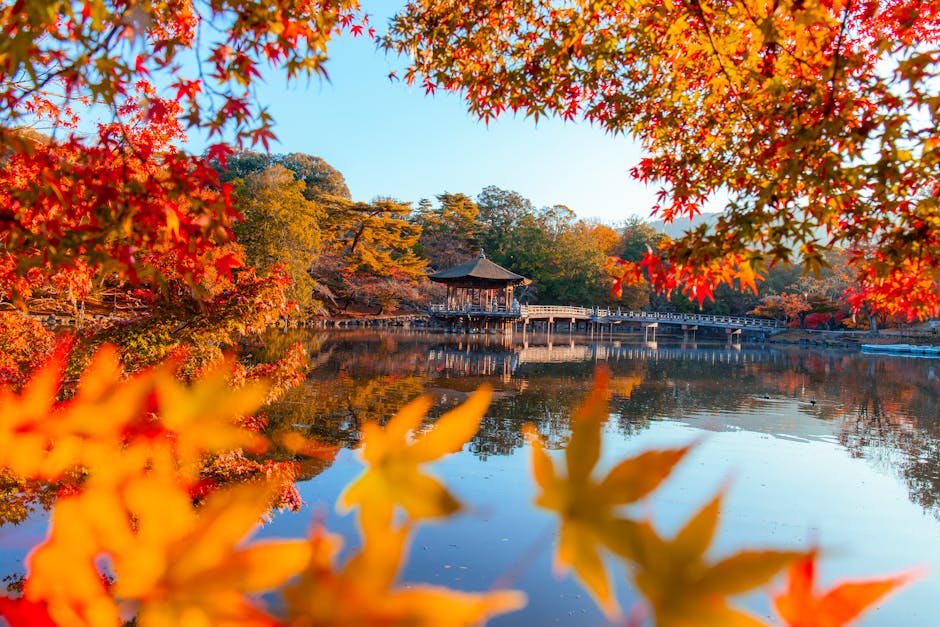
Hangzhou is the birthplace of Dragon Well tea (Longjing), China’s most celebrated green tea. The harvest runs from late March through April, and if you time your visit right, you can walk into the tea fields in the Longjing Village area southwest of West Lake, watch pickers at work, and buy freshly roasted first-flush leaves directly from farmers — often for less than you’d pay at a tea shop in Shanghai. The taste difference between first-flush Longjing picked before Qingming (April 5) and anything sold in a tourist shop is significant enough that serious tea drinkers plan entire trips around it.
What March actually looks like on the ground
Temperatures run 10–15°C in the daytime — jacket weather, not coat weather. West Lake has thin tourist traffic. You can rent a bike from a Meituan or Hello Bike dockless station near the causeway and ride the full 28km lakeshore circuit without stopping for a single tour group. The weeping willows are just coming out. Plum blossoms at Gu Shan Island peak in late February to early March. It feels like the city before the crowds found it.
The downside: rain. March averages around 100mm of rainfall, often as drizzle that settles in for two or three days at a stretch. Pack a compact umbrella — not a poncho. The mist on West Lake is genuinely atmospheric, the kind that makes the Leifeng Pagoda look like a watercolor painting. But if you need blue-sky photos, you might be waiting.
April: the sweet spot if you want warmth and dry days
April pushes temperatures to 21°C with longer dry spells between rain. The tea harvest is in full swing. Qingming Festival (usually April 4–6) brings a three-day public holiday — expect some crowd uptick, but nothing approaching Golden Week density. Book accommodation three to four weeks ahead if your dates fall around Qingming.
The Four Seasons Hotel Hangzhou at West Lake runs $450–$600 per night in April. Budget travelers do well at Mingtown Youth Hostel near the lake for $20–$35 per night. Mid-range options near Hefang Street — like the West Lake International Hotel — sit around $80–$120 and put you within walking distance of everything that matters.
One thing spring doesn’t have: autumn foliage. The ginkgo trees and maples that turn West Lake gold and red in November are still green in April. If color is your priority, autumn is the better call despite the crowd risk. But if you want the full Hangzhou sensory experience — fresh Longjing, green hills, cool air — spring is the answer.
The Golden Week Trap
Do not visit Hangzhou during China’s National Day Golden Week, October 1–7. West Lake receives approximately 500,000 visitors over that week. Restaurants have hour-long waits. Hotel prices triple. Boat rides across the lake sell out days in advance. The Amanfayun resort — normally serene by design — shares its access road with tour buses. Go the week before (late September) or the week after (October 8 onward), and you get identical autumn weather with a fraction of the crowd and half the hotel prices.
Autumn at West Lake: What September, October, and November Actually Deliver

Is September worth it?
Yes, with a caveat. Early September still carries the tail end of summer heat — expect 29°C highs with humidity. By mid-September, temperatures start breaking. Crowds are manageable. The lotus flowers in West Lake’s Quyuan Garden are finishing their season. If you’re coming from a hot climate and heat doesn’t bother you, early September gives you warm evenings, thin tourist numbers, and better accommodation prices than peak October.
September also brings a rare spectacle: the Qiantang River tidal bore. The world’s largest tidal bore — a wall of water up to 9 meters high — travels up the Qiantang River each lunar August, which falls in September or October on the Western calendar. Viewing spots at Haining are one hour from Hangzhou by train. If the timing aligns with your trip, build your whole itinerary around it.
Is mid-to-late October the best window of the year?
Arguably yes. Temperatures drop to 18–23°C. Crowds drain dramatically after October 7. The osmanthus flowers — Hangzhou’s signature autumn bloom — peak around mid-October, filling the air around Manjuelong Village and the Botanical Garden with a scent that’s impossible to describe until you’ve stood inside it. The ginkgo trees near the Lingyin Temple road start turning yellow. Book flights and hotels before Golden Week ends — prices drop sharply after October 7, but good rooms still get claimed quickly by domestic travelers looking for the same post-holiday quiet you are.
Should I visit in November?
November is the most underrated month for Hangzhou. Crowds are low. Prices drop further. Autumn foliage peaks in early to mid-November — the maples around Baochu Pagoda go deep red, and the ginkgo avenue near West Lake turns completely gold. Temperatures run 8–16°C, comfortable for full-day walking. The main risk is the same as March: gray skies and drizzle. But when it’s clear, November delivers some of the most photogenic scenery the city offers at its quietest.
Summer and Winter: The Honest Tradeoffs Nobody Mentions
- July and August: Hangzhou reaches 35°C with humidity above 80%. The heat index can feel closer to 40°C. West Lake’s lotus flowers — specifically the fields at Quyuan Garden — are at full bloom and genuinely beautiful. If you’re a photographer willing to be outside at 6am before the heat builds, you can get stunning shots. If you’re sightseeing through the afternoon, it’s exhausting. Domestic tourism peaks in summer, so crowds stay high despite the discomfort.
- June: More manageable than July. Temperatures around 28–30°C. The Dragon Boat Festival (Duanwu) falls in June — usually the fifth day of the fifth lunar month — and brings boat races on the Qiantang River worth witnessing if timing aligns.
- December and January: Cold, quiet, and occasionally mist-wrapped in a way that makes the whole lake look like a Song Dynasty ink painting. Average highs of 8–10°C. Bring a proper winter coat. West Lake in winter is not crowded. The Amanfayun resort’s bamboo forest paths are serene when the tourists are gone. Plum blossoms appear at Gu Shan Island from late January onward.
- February (Spring Festival): Avoid unless experiencing Lunar New Year is your specific goal. Many restaurants close or raise prices sharply. Crowds rival Golden Week. If you stay, the temple fairs and fireworks around West Lake are spectacular — but you’ll share them with a significant portion of eastern China’s domestic tourism.
The honest verdict on summer: skip it unless lotus flowers are a specific priority. The honest verdict on winter: genuinely underrated for travelers who don’t mind cold, want solitude, and find mist-covered lakes more interesting than clear blue ones.
How to Structure Your Trip Once You Know Your Window
- Book the high-speed train from Shanghai first. G-class trains from Shanghai Hongqiao to Hangzhou East take 45 minutes and cost 73–78 RMB (around $10–11). Seats sell out during holidays. Book through the Trip.com app or 12306.cn — both accept international passports.
- Stay near the lake, not near the train station. Hangzhou East Station sits 8km from West Lake. Staying close to the station saves money but costs 30 minutes of transit each way. Properties within 1km of the lake — the Banyan Tree Hangzhou (from $250/night) or budget options like West Lake Impression Youth Hostel ($25–$40) — pay for themselves in convenience.
- Hit West Lake at 7am, not 10am. The lake before the tour groups arrive is a completely different experience. The Su Causeway specifically — the long tree-lined walkway bisecting the lake — shifts from peaceful to crowded between 9am and 9:30am on weekends. Plan accordingly.
- Add Lingyin Temple to any itinerary. Entry costs 45 RMB (about $6). The complex is large enough to absorb crowds better than the open lakeside areas. Budget two hours minimum. Tuesday through Thursday is noticeably quieter than weekends.
- For tea, go to Longjing Village, not the shops. It’s a 30-minute bus ride or $8–10 Didi ride from the West Lake area. Farmers selling directly from roadside tables offer genuine first-flush Longjing at 200–500 RMB per 100g depending on grade. Tourist shops near the lake charge the same or more for tea that isn’t first-flush — a meaningful difference if you’re buying as gifts.
- Check the tidal bore calendar if you’re visiting in September or October. The Qiantang bore peaks during the Mid-Autumn Festival period. Haining viewing platforms are one hour from Hangzhou by train. For the right traveler, it’s the most dramatic natural event in eastern China — and most international visitors have never heard of it.
For most travelers, the target is late March (thin crowds, Longjing harvest beginning, plum blossom end) or October 8–20 (post-Golden Week calm, osmanthus in bloom, autumn color starting). Both windows give you Hangzhou at its most rewarding — and at a crowd level where the city feels like a place to explore, not a queue to manage.