A 261-kilometer journey between Rome and Florence can take just 1 hour and 25 minutes by high-speed train. That makes the choice feel easy until you arrive alone, drag a suitcase over cobblestones, and realize your first Italian city will shape the whole trip.
For most first-time solo travelers, Florence is the better starting point because its historic center is compact, walkable, and simple to read. Rome wins if your main reason for visiting Italy is ancient history, major landmarks, and a bigger range of neighborhoods. The right choice comes down to daily friction, not which city has more famous sights.
Which city is easier to navigate alone?
Florence creates fewer small problems. The main sights sit close together, the city center is easy to cross on foot, and Santa Maria Novella station places you near the historic core. Rome has better public transport coverage, but its attractions are spread across a much larger area, so every day needs more route planning.
Rome offers scale and variety
Rome gives you several distinct travel experiences in one city: the Colosseum and Roman Forum, the Pantheon, Vatican City, Trastevere, Testaccio, and large parks such as Villa Borghese. That variety is the city’s greatest strength. It also means you may spend 30 to 50 minutes moving between two places that look close on a map. For a solo traveler who likes unplanned wandering, Rome rewards curiosity but punishes a tight schedule.
Florence keeps the first trip manageable
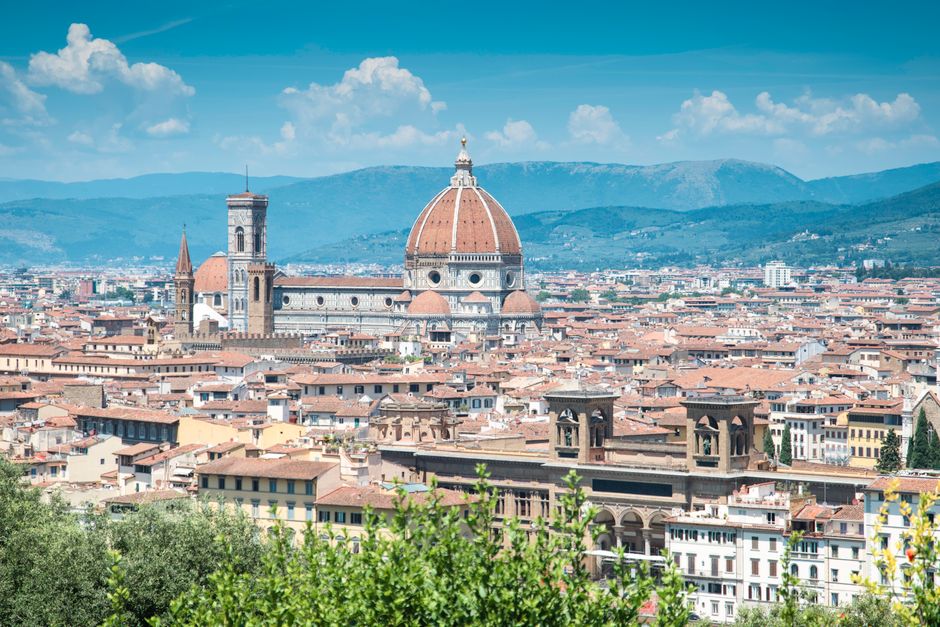
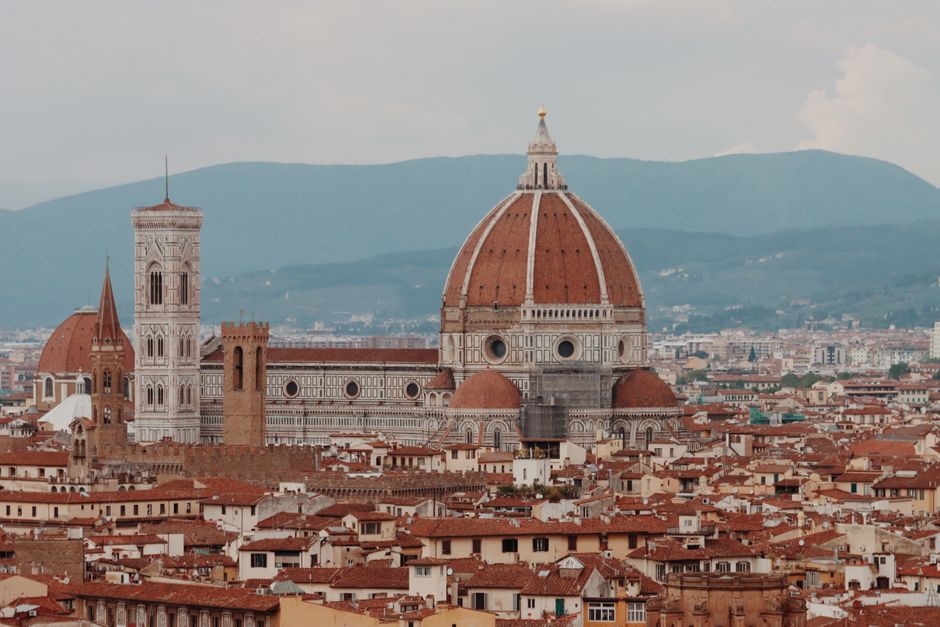
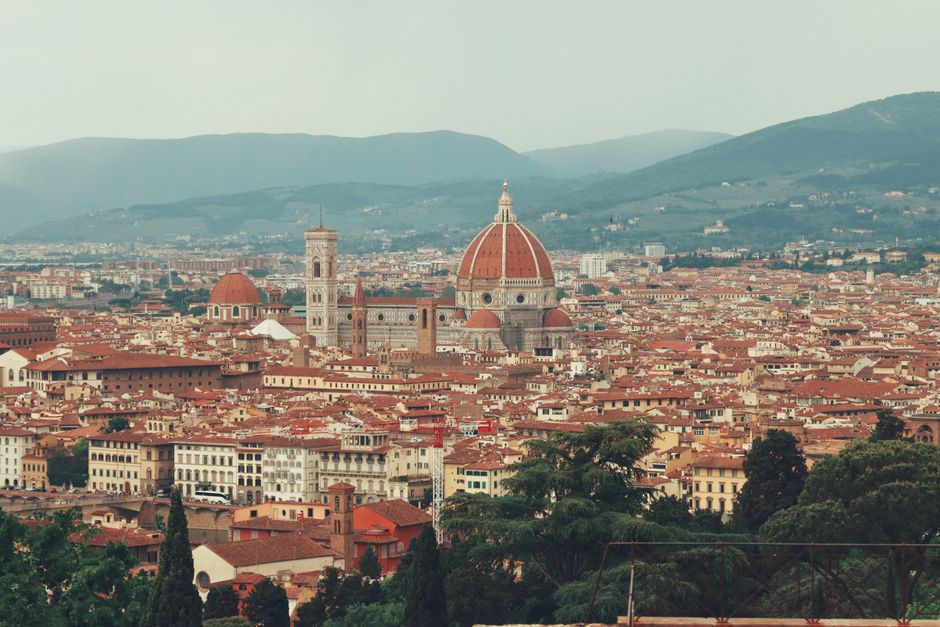
Florence works better when you want to walk out of your accommodation and reach a museum, market, café, or viewpoint without opening a map every ten minutes. The center still has crowds, uneven paving, and busy crossings, but the layout becomes familiar quickly. You can spend a morning around the Duomo, cross the Arno for lunch, and reach Piazzale Michelangelo before sunset.
| Factor | Rome | Florence |
|---|---|---|
| Best for | Ancient history and broad city variety | Art, food, and easy walking |
| Historic center | Large and spread out | Compact and concentrated |
| Transport need | Metro, bus, and walking mix | Mostly walking with buses or trams |
| Solo learning curve | Higher | Lower |
| Ideal first stay | 4 to 5 nights | 3 to 4 nights |
Verdict: Choose Florence if navigation stress could spoil your first solo trip. Choose Rome when the scale of the city is part of the attraction.
Is Florence safer and more comfortable for a first solo trip?
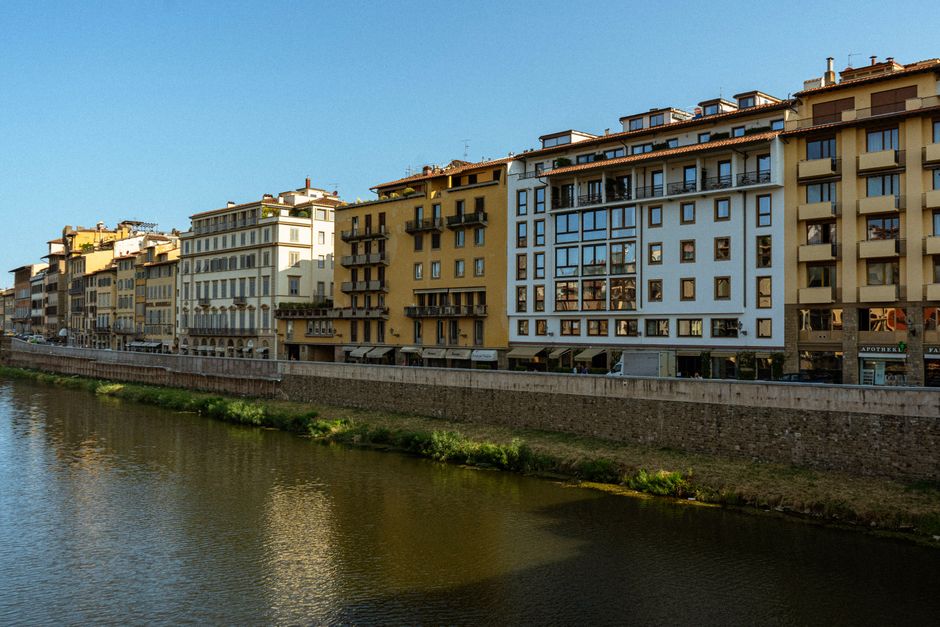
Florence is the clear comfort winner for first-time solo travelers. Its compact center gives you more control over your surroundings, and returning from dinner usually involves a short walk through active streets rather than a long transfer across the city. Rome is not a city to avoid, but busy transport hubs and packed landmarks require sharper attention to phones, wallets, and bags.
Neither city is risk-free, and neither needs a fearful itinerary. The practical rule is simple: stay near well-used streets, keep your phone inside a zipped pocket near Termini or Santa Maria Novella, and skip shortcuts through empty areas late at night. In Rome, avoid accepting unsolicited help around major stations and tourist landmarks. In Florence, watch for distraction theft in crowded lines and on the Ponte Vecchio.
Florence also makes solo dining easier. Restaurants around Santo Spirito, Sant’Ambrogio, and San Niccolò often have counter seats, small tables, and busy evening rhythms. Rome has excellent solo dining in Monti and Testaccio, but the city’s restaurant districts are more spread out. For a calm first trip, Florence offers the stronger safety-and-comfort package, provided you use normal city awareness.
The exception is a traveler who dislikes small, heavily touristed centers. Florence can feel crowded around the Duomo and Uffizi during the middle of the day. Rome’s larger neighborhoods offer more room to disappear into ordinary local life. That is a real advantage, but it comes with more walking, more transit, and more decisions.
What should you budget and reserve in 2026?
Rome usually costs more in time; Florence can cost more in concentrated museum admission. The city with the cheaper ticket is not always the cheaper trip, because a missed reservation or poorly placed room can waste a valuable morning. Build the budget around transport, timed entries, and the number of paid sights you will actually visit.
Rome’s practical transport math
Rome’s ATAC ROMA72H ticket costs €22 and covers unlimited travel inside Rome for 72 hours. That is useful when your plan combines the Colosseum, Vatican Museums, Appian Way, and neighborhoods on opposite sides of the city. A single BIT ticket costs €1.50 for 100 minutes, so the 72-hour pass becomes attractive once you expect several rides each day. Do not assume it covers every airport transfer; check the route before boarding.
Florence’s museum decision
The Firenze Card costs €85 and lasts 72 hours, with access to 58 museums, villas, and historic gardens. It is a strong buy for a museum-heavy solo trip that includes the Uffizi, Accademia, Palazzo Pitti, and several smaller collections. It is poor value if you want only one or two museums and long walks. The Uffizi’s listed admission is €25, while the Accademia and Bargello combined ticket is €26, so calculate the total before activating the card.
The Rome–Florence connection
Choosing one city does not lock you out of the other. Italo’s Rome–Florence service covers the route in about 1 hour and 25 minutes, with fares advertised from €14.90 when booked early; prices change by date and demand. Trenitalia’s Frecciarossa also connects the cities in roughly 1 hour and 30 minutes, with more than 100 daily connections listed for the route. Florence is therefore an easy add-on from Rome, but a day trip still costs station time, return fare, and energy. Stay overnight if you want to enjoy Florence after the day crowds leave.
How should a solo traveler plan the first three days?
Plan around one major reservation per day, then leave the rest flexible. That rule works in both cities and prevents the most common first-trip mistake: turning an exciting visit into a race between ticket times.
- Choose a transit-friendly base. In Rome, Monti is a strong first choice for access to the Colosseum and Termini without sleeping beside the station. Prati suits travelers focused on the Vatican. In Florence, Santa Maria Novella is convenient for trains, while Santo Spirito offers a livelier evening atmosphere.
- Put the largest sight early. Visit the Colosseum or Vatican Museums near opening time in Rome. In Florence, reserve the Uffizi or Accademia for the morning. Crowds grow quickly, and an early start leaves space for a slow lunch.
- Group sights by neighborhood. See the Roman Forum, Palatine Hill, and Capitoline area together. In Florence, combine the Duomo, San Lorenzo, and Santa Maria Novella. Crossing the same city several times wastes both money and attention.
- Protect one unscheduled block. Use it for a market, church, neighborhood walk, or café. Solo travel feels better when the schedule has room for a place that was not on the original list.
- Do not force a day trip. From Florence, Pisa, Siena, or Lucca can make sense. From Rome, Ostia Antica or Tivoli offers a more realistic escape than trying to squeeze in another major Italian city.
Florence is the easier city for this plan because the backup options sit close together. Rome needs stronger time buffers, especially when buses run slowly or a landmark entrance takes longer than expected.
Rome or Florence: which one should you choose?
Which city is better for art and history?
Rome wins for range. You can move from imperial ruins to Baroque churches, Renaissance paintings, and Vatican collections in one stay. Florence wins for focus: the Renaissance story is easier to follow because the major works are close together. Pick Rome for breadth and Florence for depth.
Which city is better for three nights?
Choose Florence. Three nights gives you enough time for the Duomo area, one major museum, Oltrarno, and a relaxed evening. Rome deserves at least four nights if you want the Colosseum, Vatican City, historic center, and one neighborhood meal without rushing.
Which city is better for a nervous solo traveler?
Choose Florence. The compact center, short walking distances, and simple train arrival reduce the number of decisions you must make while adjusting to Italy. Rome becomes the better choice after you feel ready for a larger, louder city.
What is the final 2026 verdict?
For a first solo trip to Italy, book Florence. It gives you the cleanest introduction to Italian art, food, streets, and train travel with less daily friction. Book Rome instead if ancient history is the reason you are going at all. The useful shift in solo travel is toward smaller, more deliberate city choices, and Florence remains the strongest first step into that style of trip.