The Pacific Crest Trail runs about 2,650 miles through California, Oregon, and Washington, but you do not need to hike the whole thing to face thru-hiker-level problems. A 500-mile continuous trip already qualifies for the PCTA long-distance permit system. Weather, permits, snow, water gaps, wildfire closures, and resupply logistics matter more than your Instagram-ready backpack. Start with the right plan, and the PCT becomes a hard but manageable journey. Start with a romantic idea and the trail will correct you quickly.
Is Pacific Crest Trail backpacking realistic for a beginner?
Yes, but a full PCT thru-hike should not be your first night outdoors. The trail is not technically difficult every day, yet it demands weeks of steady walking, self-care, navigation, and decision-making. A beginner can succeed by building experience through weekend trips, a three- to five-day section hike, and a longer test trip before committing to months on trail. The clear verdict is simple: beginners should start with a section or a carefully prepared thru-hike, not an improvised border-to-border attempt.
The trail rewards boring habits. You need to walk before breakfast, stop before an injury becomes serious, filter questionable water, protect your feet, and change plans when smoke or snow makes a route unsafe. Fitness helps, but judgment keeps you moving. A strong runner who refuses to slow down can fail faster than a steady hiker who starts with modest mileage.
Best first move: hike 100 to 200 miles in sections before your long trip. That distance reveals whether your pack fits, your shoes hold up, your food plan works, and your body tolerates repeated climbing. It also exposes the part many beginners miss: long-distance hiking is a daily routine, not one heroic weekend.
When should a beginner hike the Pacific Crest Trail?
Choose direction by conditions, not tradition
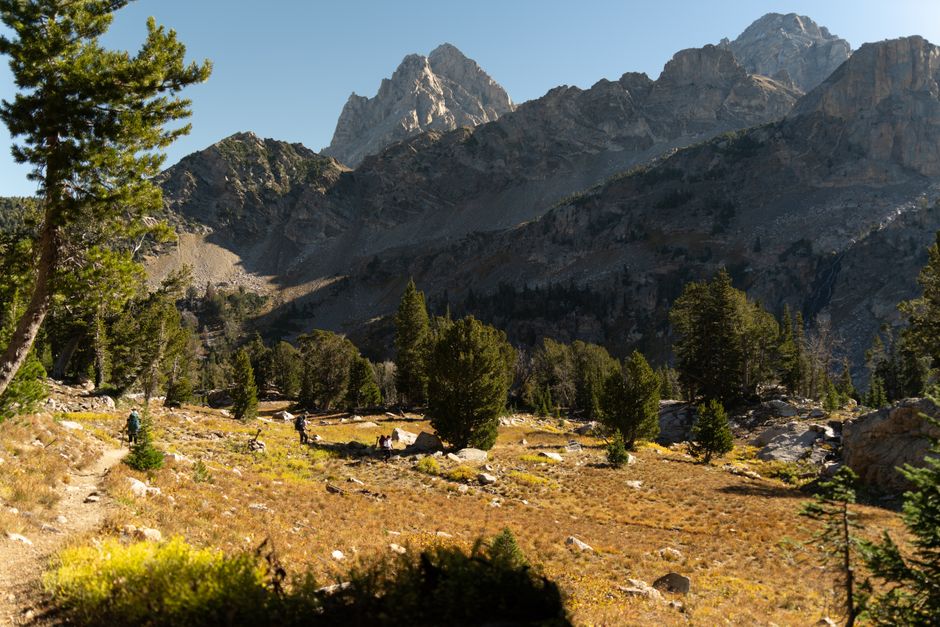
Most full-trail hikers travel northbound from the Mexican border to Canada because the route offers a familiar seasonal rhythm: desert first, Sierra Nevada next, then Oregon and Washington. That does not mean a northbound start is automatically smart. A southbound hike usually begins later, often after the North Cascades snow melts, and brings different logistical problems. A section hiker should choose the segment with the best current conditions rather than copy a popular start date.
Use the snowpack as your real calendar
The Sierra Nevada is the main scheduling trap. Early-season snow can hide trail tread, cover water crossings, slow travel, and make navigation far harder than the mileage suggests. Snow travel also adds risks from icy slopes, falling through weak snow, and swollen streams. In Washington, late-season storms can create the same problem near the finish. Check current snow, fire, road, and trail reports before each major section. A permit date is not proof that the route is safe.
Build a flexible itinerary
Plan by windows, not exact daily promises. A beginner may start around 10 to 15 miles per day, then build toward 18 to 25 miles after the body adapts. Elevation gain, heat, snow, and resupply stops change that pace. Give yourself extra days for illness, storms, gear repairs, and zero-mile rest days. The strongest plan includes exit points at towns and roads, plus a clear rule for turning around when conditions exceed your skills.
For 2026, the Pacific Crest Trail Association permit page remains the starting point for long-distance paperwork and timing. If the preferred start date is gone, change the route or season. Do not force a bad date because flights and leave from work are already booked.
What permits do you need for the PCT?
Do I need a long-distance PCT permit?
If you plan to hike or ride 500 or more continuous miles in one trip, apply for the interagency PCT Long-distance Permit through the PCTA. The permit is free, but it comes with conditions. Your start location and date must match the permit, and you must follow local rules along the route.
Does one permit cover every overnight stop?
No. The PCT passes through many jurisdictions, and local permits still apply in some areas. The PCTA identifies roughly 33 permit areas along the trail. Yosemite, Mount San Jacinto, parts of Southern California, and other wilderness areas can have separate rules, quotas, camping limits, or self-issued permits. Read each agency’s current instructions before entering that section.
What about fires and the Canadian border?
A California Campfire Permit does not mean a fire is allowed. It confirms that you agree to follow restrictions, and those restrictions can become stricter during hot, dry weather. In many conditions, a stove may be the only legal option. Wildfire closures can also change access with little warning. At the northern end, do not cross into Canada casually. Confirm the current border and entry requirements before planning a finish at the monument. The PCTA permit documents and local park websites are more reliable than an old forum post.
What belongs in a beginner PCT backpack?
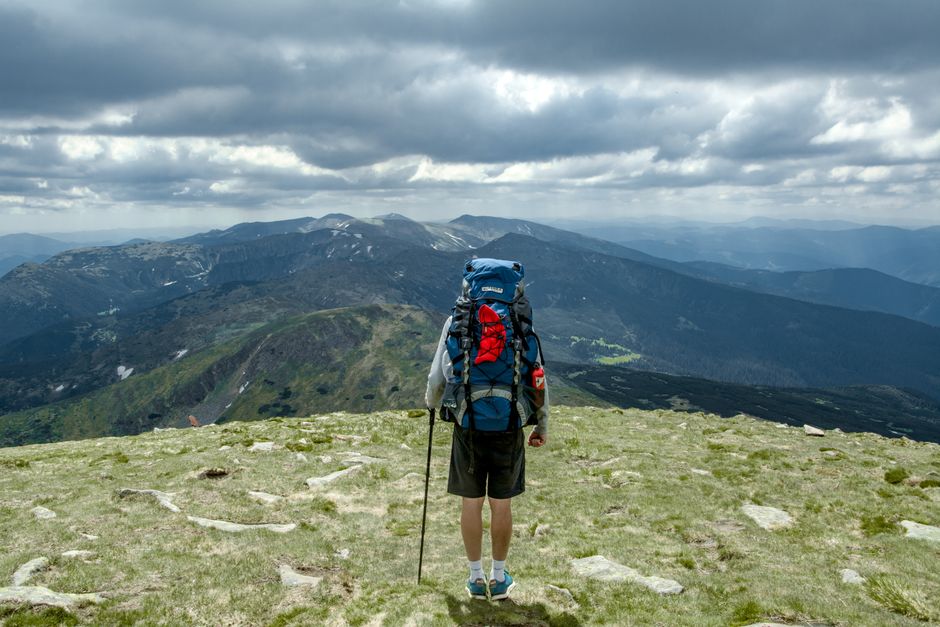
Pack for the problem, not the fantasy. Your first setup should be light enough to carry comfortably but complete enough for a bad night, a delayed resupply, or a minor injury. Do not buy every ultralight item at once. Borrow, rent, or test gear first.
- Carry system: A 55- to 65-liter pack is enough for most beginners. The Osprey Exos 58 weighs about 2 pounds 10 ounces and has room for a practical food load. It is a better first pack than an aggressively minimal frameless model if your total load will exceed 25 pounds.
- Shelter: Use a tent or tarp that handles wind and rain, with a groundsheet if the design needs one. The Durston X-Mid 1 weighs about 28 ounces, while a basic two-person tent gives more space but adds weight. Practice pitching it in darkness before the trail.
- Sleep system: The Therm-a-Rest NeoAir XLite NXT Regular weighs about 13 ounces and has an R-value around 4.5. It works well for three-season conditions, but a warmer pad is necessary for colder snow travel. Insulation below your body matters as much as the sleeping bag rating.
- Water treatment: The Sawyer Squeeze weighs roughly 3 ounces and can handle normal trail water when maintained correctly. Carry chemical tablets as a backup. A filter clogged with silt is not a plan; it is a delay waiting to happen.
- Emergency communication: The Garmin inReach Mini 2 weighs about 3.5 ounces and supports satellite messaging and SOS functions with an active subscription. It does not replace navigation, judgment, or a charged phone. Keep it accessible, not buried under food.
Test the full pack on a local climb. Weigh it with water and food included. If it feels unstable, fix the fit before removing safety items. The winning setup is the one you can carry for consecutive days without foot, knee, or shoulder pain.
How do you manage water, food, and heat?
Water is the first practical question on the PCT. Desert sections can include long dry stretches, while snow travel and hot climbs increase your need. Treat every natural source, even clear mountain water. Use current reports to identify reliable sources, then carry enough for the next gap plus an emergency margin. Never assume a spring listed in an old guide still flows.
| Problem | Beginner mistake | Better decision |
|---|---|---|
| Long dry stretch | Carry the usual 2 liters | Check current water reports and carry the amount required for the full gap |
| Hot desert climb | Hike through the afternoon | Start early, rest in shade, and protect skin from sun |
| Small-town resupply | Buy random food after arriving hungry | Use a simple calorie plan and check store hours before leaving trail |
| Bear country | Leave snacks in the tent | Follow the local food-storage rule and use a required bear canister |
Eat before you feel empty. Most hikers need roughly 3,500 to 5,000 calories per day once mileage rises, though body size and effort change the number. Favor foods you will actually eat: tortillas, nut butter, instant potatoes, bars, dried fruit, and salty snacks. Pack out every wrapper. If a town stop offers a shower and a real meal, take the recovery day when your body needs it, not when your schedule says it should.
Which PCT mistakes end beginner trips early?
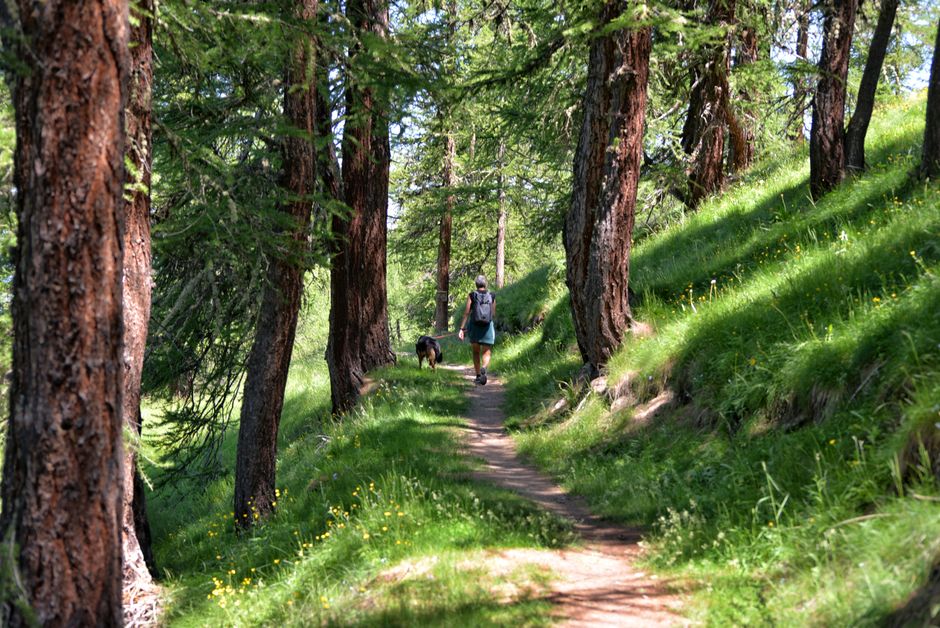
My strongest recommendation: slow down during the first two weeks. Blisters, tendon pain, and overuse injuries usually build quietly. Beginners see other hikers moving faster, copy their mileage, and pay for it later. The trail does not award points for reaching the next town injured.
- Starting too fast: Begin with a pace your feet can repeat. Add mileage only after several pain-free days.
- Overpacking: Remove duplicate clothing, excess food, and novelty items before removing rain protection, first aid, navigation, or water capacity.
- Trusting old information: Fires, floods, closures, washed-out bridges, and store changes can invalidate a guidebook. Check current notices at every resupply.
- Ignoring smoke: A smoky route is not automatically safe because the trail remains open. Watch air quality, visibility, evacuation notices, and your breathing.
- Skipping exit plans: Know how to reach a road, town, ranger station, or medical service from each section. An emergency plan should work with a dead phone.
- Treating permits as paperwork only: Read the conditions, carry the permit, and understand the local camping rules. A missing permit can end a section before the walking starts.
The short version is clear:
| If your priority is… | Choose this approach |
|---|---|
| Learning trail life | A 100- to 200-mile section hike |
| Completing the full PCT | A flexible northbound plan with permit and weather checks |
| Avoiding early injury | Low starting mileage and scheduled rest |
| Handling remote sections | Reliable water planning, backup treatment, and emergency communication |
For a first PCT attempt, preparation beats bravado. Pick the section or season your skills can handle, then let the trail get harder gradually.