You booked the flight to Bangkok. Then you opened Reddit and saw three posts about scams, one about a motorbike accident, and a thread titled “Is it safe to walk alone at night in Phnom Penh?” Your stomach dropped. This article breaks down the actual risks, the real costs, and the route structures that work for solo women in Southeast Asia in 2026. No sugar-coating. No fear-mongering. Just data and practical steps.
What Actually Changed for Solo Female Travelers in 2026
The biggest shift since 2026 isn’t about safety. It’s about digital infrastructure. Thailand, Vietnam, and Indonesia now have unified e-visa systems that process in 72 hours. Grab and Gojek operate in every major city. Google Maps now shows real-time police station locations and 24-hour convenience stores with safety ratings.
But here’s what hasn’t changed. Scams still target tourists. Motorbike rentals still require an International Driving Permit (IDP) — and Thai police checkpoints in 2026 are stricter than ever. The GrabShare option for women-only rides exists in Bangkok and Jakarta, but not in smaller cities.
Three concrete changes to know before you go:
- Vietnam now requires proof of onward travel at check-in. Print your bus ticket or flight confirmation.
- Laos has a new 150,000 LAK ($7) environmental fee at Luang Prabang airport. Cash only.
- Indonesia’s B211A visa for digital nomads now includes mandatory health insurance proof. Minimum $50,000 coverage.
The Route That Minimizes Risk and Maximizes Value
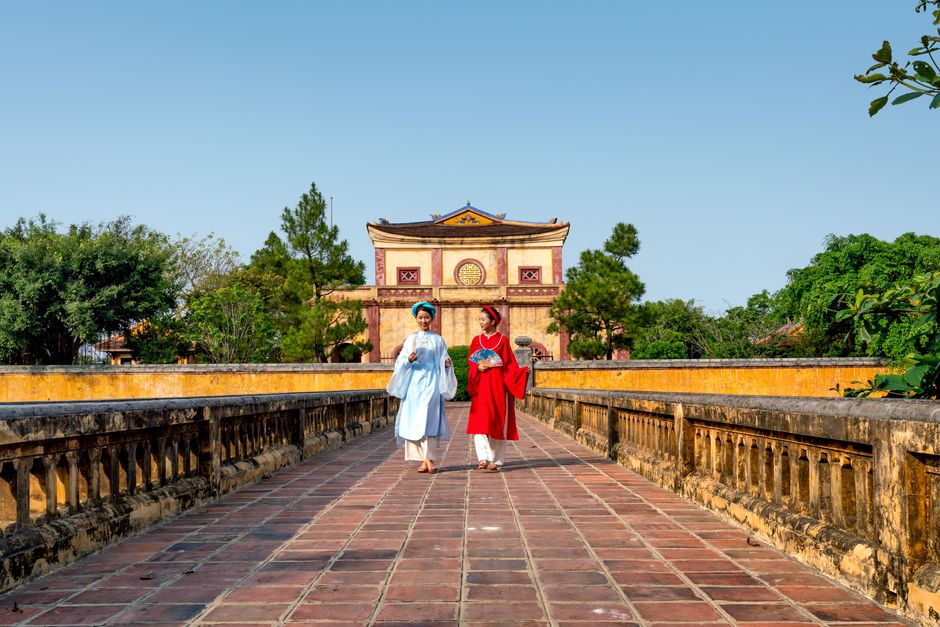
Most solo female travelers make the same mistake: they try to cover too much ground. Hopping from Bangkok to Hanoi to Siem Reap to Bali in 14 days means you spend half your trip in transit. And transit is where most problems happen — missed connections, overpriced taxis, lost luggage.
The 21-Day Loop That Works
Start in Chiang Mai, Thailand (5 days). Fly to Luang Prabang, Laos (4 days). Take the slow boat to Huay Xai and cross into Chiang Rai (3 days). Bus to Bangkok (4 days). Fly to Hoi An, Vietnam (5 days).
This route uses only two flights. The rest is by bus or boat — both well-established tourist routes with dedicated female-only seating options on 12Go Asia. Total transport cost: $180-$250. Total accommodation: $350-$500 using hostels with female dorms on Hostelworld.
When to Skip the Backpacker Trail
If you’re over 30, or you need guaranteed quiet sleep, skip the Khao San Road dorms. Stay in Phra Nakorn district instead. Same price range ($12-$18/night) but guesthouses with private rooms and noise-proof windows. The Baan Noi Guesthouse ($15/night) has a 4.8 rating specifically from solo women.
Safety Protocols That Actually Work (Not the Generic Advice)
“Don’t walk alone at night” is useless advice when your bus arrives at 11pm. Here’s what experienced solo travelers actually do.
| Situation | What to Do | What Not to Do |
|---|---|---|
| Late arrival at bus station | Pre-book a Grab through the app before you arrive. Share your ride code with a friend. | Hail a tuk-tuk outside the station. They charge 3x the Grab price. |
| Motorbike rental | Take a video of the bike’s condition before riding. Pay with credit card for dispute protection. | Hand over your passport as deposit. Use a photocopy or $100 cash deposit instead. |
| Night market shopping | Keep your phone in a front pocket or crossbody bag with a zipper. | Hold your phone in your hand. Scooter snatch-and-grabs happen in under 2 seconds. |
| Meeting other travelers | Use the “Solo Female Travelers” Facebook group for city-specific meetups. | Accept drinks from strangers at bars. Standard advice anywhere. |
The Real Cost Breakdown for 2026
Forget the $20/day budgets from 2019. Prices have risen across the region. Here’s what a realistic 30-day trip costs for a solo female traveler in 2026.
- Accommodation: $12-$25/night for a private room in a guesthouse. $8-$15/night for a female dorm bed. Total: $360-$750.
- Food: $8-$15/day for three meals from local markets and street stalls. Total: $240-$450.
- Transport: $180-$350 for buses, trains, and 2-3 budget flights.
- Activities: $100-$200 for cooking classes, temple entry fees, national park permits.
- Miscellaneous: $100-$200 for SIM card, laundry, toiletries, emergency fund.
Total realistic budget: $980-$1,950 for 30 days. That’s without alcohol, shopping, or splurge accommodation. If a blog says you can do it for $600, they’re not counting the visa extension fees, the airport taxis, or the one night you need a proper hotel because you’re sick.
Common Mistakes That Derail Trips
Here are the three failures I see most often in solo female travel forums.
Mistake 1: Overpacking. You will buy clothes there. You will carry less than you think. A 35-liter backpack is enough for three months. The Osprey Farpoint 40 ($170) fits carry-on limits for AirAsia and VietJet. Checked baggage fees eat your budget fast.
Mistake 2: Not downloading offline maps. Google Maps works offline if you download the region. Do this before you leave WiFi. Phone signal drops on buses between Chiang Mai and Pai. You need to know where your guesthouse is when the driver drops you at the wrong corner.
Mistake 3: Trusting the wrong reviews. A hostel with 4.5 stars on Booking.com might have 2.0 on Hostelworld because the reviews are filtered. Cross-check on Google Maps and Reddit. The Lub d Bangkok has 4.6 on both platforms — that’s reliable.
When Solo Travel Isn’t the Right Choice
This is the section most travel blogs skip. Solo travel in Southeast Asia is not for everyone, and not for every situation.
If you have never traveled internationally alone before, start with a week in Singapore or Kuala Lumpur. Both have excellent English, clean metro systems, and low street harassment. Then try Bangkok. Then try rural Vietnam.
If you have a medical condition that requires regular care, check the availability of your medication in each country. Thailand has good pharmacies. Laos does not. Bring a doctor’s note for any prescription meds — Thai customs can detain you for codeine-based painkillers without documentation.
If you are recovering from trauma or anxiety, the constant decision-making of solo travel can be exhausting. Consider a small group tour for the first week. Intrepid Travel and G Adventures both run women-only trips in Vietnam and Thailand. You get the solo experience with a support structure.
Digital Tools That Reduce Friction
Three apps that solve the biggest headaches for solo female travelers.
Rome2Rio — Shows every transport option between any two points. Bus, train, ferry, flight. Includes estimated costs and booking links. Use it to plan your route before you arrive.
Grab — Works in Thailand, Vietnam, Indonesia, Malaysia, Philippines, Singapore. Fixed pricing, GPS tracking, shareable trip status. In Bangkok, the GrabCar Women option matches you with female drivers.
Safety Wing — Travel medical insurance designed for digital nomads. $45/month for coverage in Southeast Asia. Includes evacuation coverage. They paid out a $2,000 claim for a traveler who broke her ankle in Bali within 10 days.
One more: WhatsApp. Everyone in Southeast Asia uses it. Your hostel, your tour guide, your bus company. Download it before you leave.