Most people think you need a giant checked bag for Norway in winter. They show up with two parkas, four pairs of boots, and a suitcase full of sweaters they never wear. The truth is the opposite. A 30-liter carry-on is enough for 14 days in Norwegian winter if you pick the right things. Here is exactly what to pack, why, and what to leave at home.
Why Most Winter Packing Lists Fail
The biggest mistake travelers make is packing for the coldest possible day instead of the average day. Oslo in January averages -4°C to -1°C. Tromsø averages -6°C. You do not need an expedition parka rated for -40°C. You need a system that works from -10°C to 5°C, because indoor spaces, buses, and trains are heated to 22°C.
Second mistake: cotton. Cotton kills in cold weather. It absorbs moisture, stays wet, and pulls heat from your body. Every single item in your bag should be synthetic, merino wool, or down. No jeans. No cotton t-shirts. No cotton socks.
Third mistake: overpacking shoes. One pair of waterproof winter boots and one pair of casual shoes is all you need. Two boots = wasted space.
What the average tourist brings vs. what works
Tourist brings: 3 sweaters, 2 pairs of jeans, 4 cotton t-shirts, 1 heavy parka, 1 fashion coat, 2 pairs of boots, 5 pairs of cotton socks, 3 scarves. That bag weighs 18 kg. They wear 30% of it.
What works: 2 merino wool base layers, 1 fleece mid-layer, 1 down jacket, 1 waterproof shell, 1 pair wool pants, 1 pair waterproof pants, 3 pairs wool socks, 1 pair winter boots, 1 pair sneakers or casual shoes. Total weight: 7-8 kg. You wear every single item.
The Core Layering System — 3 Items That Do All the Work
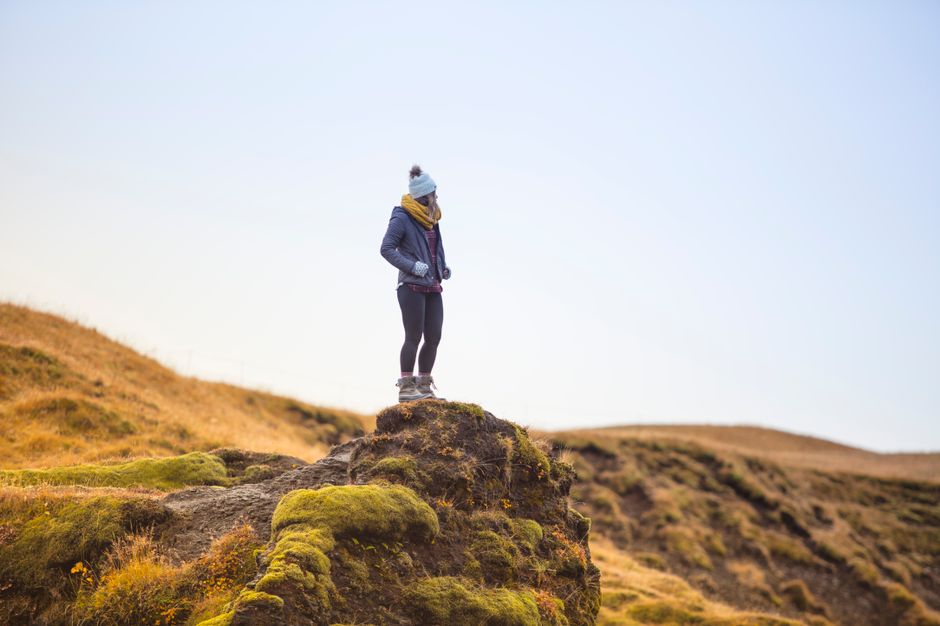
Norway in winter is about managing temperature changes. You walk outside in -5°C, walk into a bus at 20°C, walk into a museum at 22°C, walk out again. The only way to stay comfortable is layers you can put on and take off in 30 seconds.
Here is the exact system I recommend:
| Layer | Product Example | Weight | Why This Works |
|---|---|---|---|
| Base layer | Smartwool Merino 250 Crew ($90) | 200g | Wicks sweat, resists odor for 5+ days |
| Mid layer | Patagonia R1 Fleece ($139) | 280g | Breathable, quick-dry, packs small |
| Outer layer | Arc’teryx Thorium Hoody ($450) | 490g | Down warmth + water-resistant face fabric |
If you own a cheaper down jacket like the Uniqlo Ultra Light Down ($80), that works too. The key is that your outer layer is either down or synthetic insulation, not a heavy wool coat. Wool coats are heavy, slow to dry, and too warm indoors.
Shell layer for rain and snow
Add one waterproof shell over your down jacket when it snows or rains. The Outdoor Research Helium ($150) weighs 180g and packs into its own pocket. Do not buy a hardshell with built-in insulation — that is too bulky and you already have your down layer.
Footwear — One Boot, One Shoe, Done
Two pairs of footwear is the limit. One pair of insulated, waterproof winter boots for snow and ice. One pair of casual shoes for indoors, museums, restaurants, and travel days.
For winter boots, the Sorel Caribou ($180) is the classic choice. They are rated to -32°C, have a removable felt liner, and the rubber lower is completely waterproof. They weigh 1.1 kg per pair. That is heavy, but they replace three other footwear options.
If you want something lighter, the Merrell Thermo Chill Mid ($140) is 680g per pair and rated to -25°C. Trade-off: less insulation, less ankle support. Fine for city walking, not for long hikes in deep snow.
What to leave home: Ugg boots. They are not waterproof. They have zero traction on ice. They are house slippers. Do not bring them to Norway.
For casual shoes, the Adidas Terrex Free Hiker ($220) or even a simple pair of Allbirds Wool Runners ($115) work. You only wear these indoors or on dry days. They should not be your primary winter shoe.
Two pairs of socks, rotated
Bring three pairs of merino wool socks. Darn Tough Vertex ($25 per pair) or Smartwool PhD ($24 per pair). Wash one pair in the sink every 3-4 days. Rotate. Do not bring cotton socks.
Also bring one pair of waterproof socks — Sealskinz ($45) — for days when snow gets into your boots. You will get snow in your boots at least once.
Accessories That Matter — and Ones That Don’t
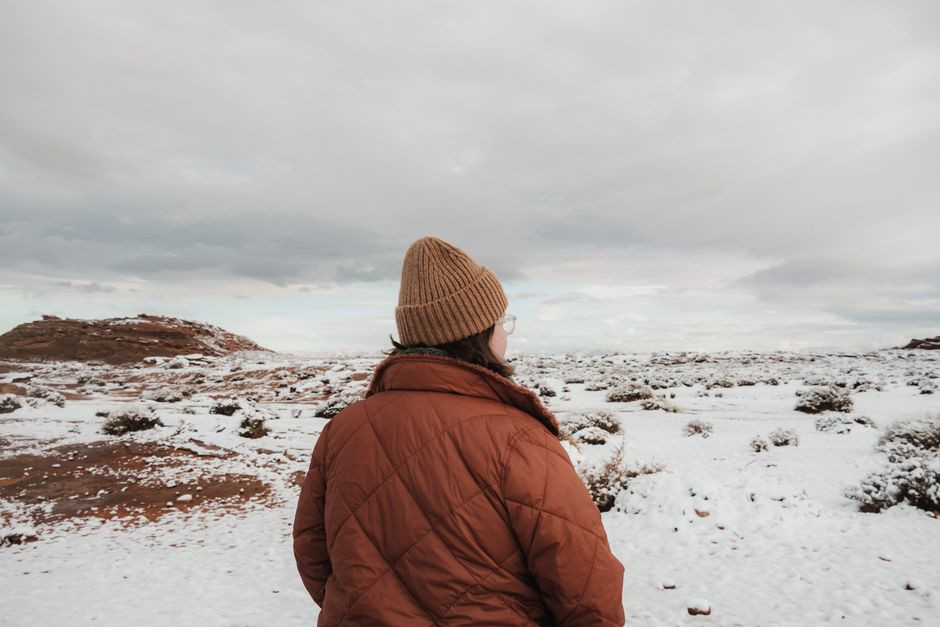
Accessories are where most people overpack. You do not need three scarves. You need one good pair of gloves, one hat, one buff, and one pair of sunglasses.
Gloves: Hestra Ergo Grip Active ($100). These are deerskin leather with a removable wool liner. The leather is water-resistant. The liner dries overnight. They cost more than cheap fleece gloves but last 10 years. If you lose gloves often, buy the Black Diamond Lightweight Wool Gloves ($30) instead — cheap, warm, replaceable.
Hat: A simple merino wool beanie. Carhartt Acrylic Watch Hat ($18) or Icebreaker Oasis ($35). Both cover your ears. No pom-poms. The pom-pom gets wet in snow and freezes.
Neck: Buff Merino Wool ($30). One buff replaces a scarf, a face mask, and a neck gaiter. It dries in 2 hours. Wash it in a sink.
Sunglasses: Snow glare in Norway is real, even in winter. The sun sits low on the horizon and reflects off snow. Cheap gas station sunglasses will not cut it. Oakley Latch ($150) or Goodr OG ($25) — either works. Polarized is not optional.
Pants — The Most Underrated Item
Most people bring jeans. Jeans are terrible in winter. They absorb snow melt, freeze stiff, and take 12 hours to dry in a hotel room.
Bring one pair of insulated, water-resistant pants for outdoor days. The Outdoor Research Cirque II ($225) is a softshell pant with light insulation. It is not fully waterproof, but it sheds light snow and dries fast. For heavy snow, add a pair of rain pants over them — the Frogg Toggs Ultra-Lite ($25) weigh 180g and cost almost nothing.
For indoor days and evenings, bring one pair of non-cotton casual pants. The Prana Stretch Zion ($89) is a nylon-spandex blend that looks like chinos but dries in 2 hours. Or the Lululemon ABC Pant ($128). Both work for dinner, museums, and flights.
Do not bring: Two pairs of jeans. One pair of jeans, worn only on the flight and indoors, is acceptable if you really want them. But you will be happier in wool or synthetic pants.
Toiletries and Electronics — The 1-Liter Rule
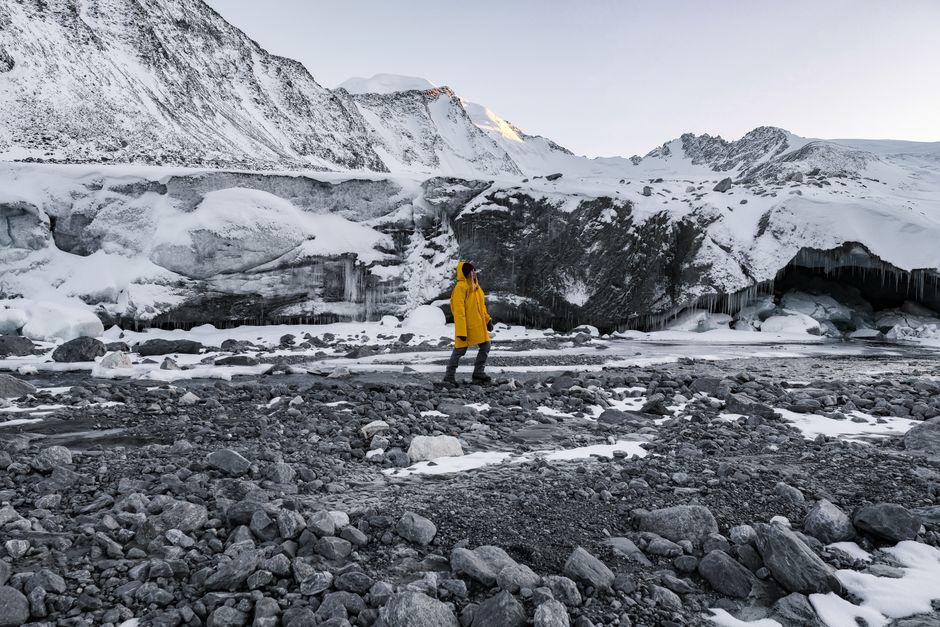
You are flying carry-on. That means all liquids go in one 1-liter bag. Here is the exact list that works for 14 days:
- Dr. Bronner’s soap bar ($5) — works as shampoo, body wash, and laundry soap
- Toothpaste tablets (Bite, $15 for 4-month supply) — no liquid
- Deodorant stick — not spray, not gel
- Moisturizer — 30ml tube. Norwegian winter air is dry.
- Lip balm with SPF — Burt’s Bees ($4)
- Sunscreen — 30ml. Yes, in winter. The sun reflects off snow and burns your face.
Electronics: One phone, one charging cable, one portable battery (Anker 10,000mAh, $26), and one universal adapter (Ceptics World Travel Adapter, $15). Do not bring a laptop unless you are working. Do not bring a camera unless photography is your main goal — your phone camera is good enough for Instagram.
One thing people forget: A reusable water bottle. Norway tap water is the best in the world. Fill it anywhere. Do not buy plastic bottles.
What to Leave at Home — The Norway No-List
Here is the list of items that take up space in your bag and will not get used:
- An umbrella. It will break in the wind on day one. Norway winter wind is brutal. Wear a waterproof shell with a hood.
- A heavy wool sweater. One is enough. You will be indoors most evenings, and the down jacket is warmer anyway.
- More than one pair of jeans. Already explained. Just don’t.
- Thermal leggings for under your pants. If your pants are already insulated or you have a good base layer, these are redundant.
- A towel. Your accommodation provides towels. Hotel towels are fine.
- Hiking boots AND winter boots. Pick one. If you are not hiking in deep snow, the Merrell Thermo Chill works for both. If you are hiking in deep snow, the Sorel Caribou works for both.
- Hand warmers. Do not buy disposable chemical hand warmers. Buy rechargeable hand warmers (Ocoopa, $20) if you must. But if you have good gloves, you do not need them.
Pack your bag. Zip it. Take out two items. You will not miss them.