You arrive in Kyoto expecting quiet temple gardens, then meet a city that is already moving: trains fill before breakfast, narrow lanes funnel visitors toward famous shrines, and some of the best experiences happen far from the headline attractions. This four-day plan keeps the major cultural sights but groups them by area, protects time for slow walks, and leaves enough space for meals, small museums, and unexpected discoveries.
What should a four-day Kyoto itinerary include?
The strongest first visit follows Kyoto’s geography instead of crossing the city repeatedly. Give eastern Kyoto one full day, southern Kyoto another, then reserve separate days for central Kyoto and Arashiyama. That simple structure cuts transfer time and lets each neighborhood develop its own rhythm.
| Day | Area | Best cultural focus | Useful start time |
|---|---|---|---|
| 1 | Higashiyama and Gion | Kiyomizu-dera, preserved lanes, traditional theater district | 6:30 a.m. |
| 2 | Fushimi and southern Kyoto | Fushimi Inari Taisha, sake history, Tofuku-ji | 7:00 a.m. |
| 3 | Central Kyoto | Nijo Castle, Nishiki Market, craft and food culture | 8:30 a.m. |
| 4 | Arashiyama and western Kyoto | Bamboo Grove, Tenryu-ji, river scenery, quiet temple grounds | 7:30 a.m. |
This order works best from a base near Kyoto Station, Shijo-Karasuma, or Sanjo. It also creates a useful buffer: if rain disrupts the outdoor plan, Day 3 can absorb a museum or tea ceremony without breaking the rest of the route. Avoid treating Kyoto as a checklist. Two temples studied properly will stay with you longer than seven rushed photo stops.
Day one: begin with Kyoto’s eastern temple district
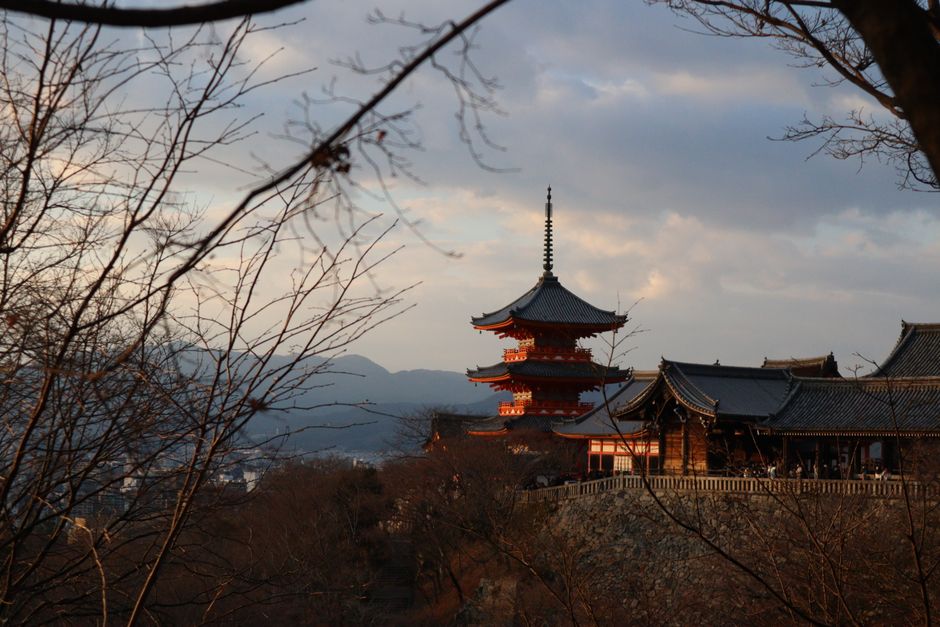
Start at Kiyomizu-dera at 6:30 a.m., when the temple opens at 6:00 and the approach through Kiyomizu-zaka still feels residential; spend about 75 minutes on the Main Hall, Otowa Waterfall, and the views across Higashiyama, then walk downhill through Sannenzaka and Ninenzaka toward Yasaka Pagoda, stopping for a quiet breakfast or matcha before continuing to Kodai-ji, Maruyama Park, and Yasaka Shrine, and finish the afternoon by choosing one Gion experience—Kennin-ji for Zen screen paintings, the Kyoto Museum of Crafts and Design for regional making, or a reserved evening performance at Gion Corner—because this sequence gives culture lovers a clear sense of how worship, commerce, gardens, and geisha traditions sit beside one another rather than presenting Gion as a costume backdrop.
Keep the evening unplanned after dinner. Gion is a living neighborhood, not a stage set, so stay on public streets, never block doorways, and follow photography restrictions.
Why early mornings matter in Kyoto
The crowd problem is also a culture problem
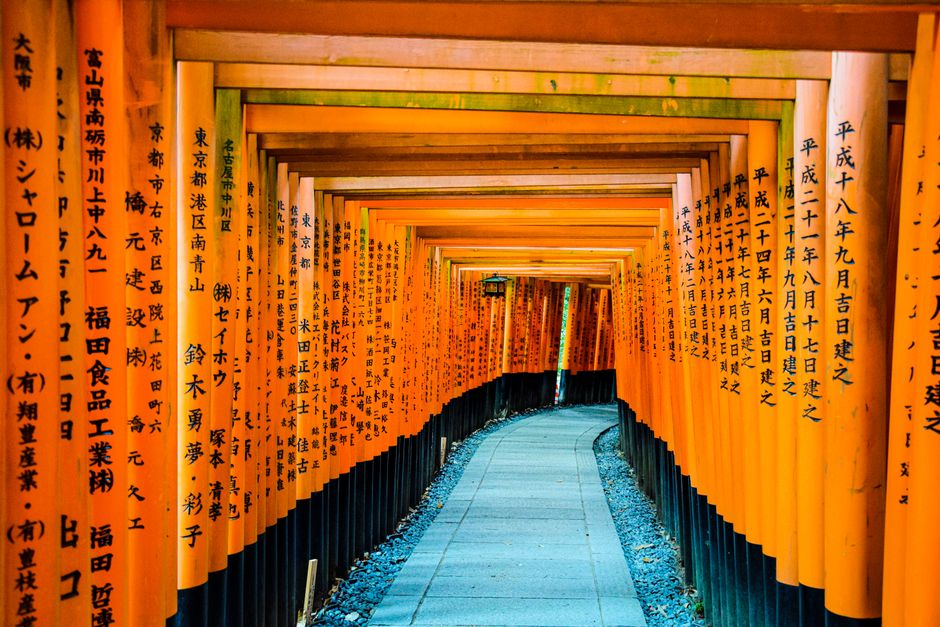
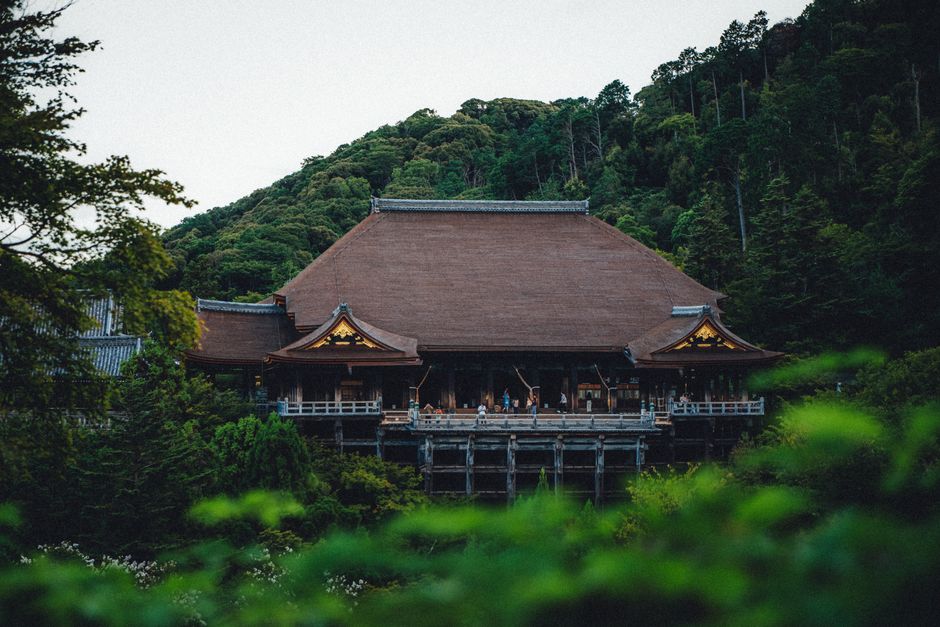
Kyoto’s busiest sights are not difficult because they lack beauty; they are difficult because large crowds flatten the experience. At Kiyomizu-dera, arriving soon after opening gives you room to hear bells, notice the slope of the wooden stage, and move through the grounds without turning every shrine gate into a queue. Fushimi Inari Taisha offers the same lesson. The first torii sections fill quickly, but the path becomes calmer as it climbs toward Mount Inari. You do not need to reach the summit to understand the site. Walking for 60 to 90 minutes, then turning around before fatigue sets in, often creates a better visit.
The practical rhythm of a quiet visit
Plan one major sight before 9:00 a.m., one neighborhood walk before lunch, and one indoor or food-focused stop in the afternoon. That rhythm matches Kyoto’s opening hours and protects your attention. Wear shoes that handle stone steps, carry water in a reusable bottle, and keep your voice low inside temple buildings. At shrines, pause before taking photographs and avoid placing cameras in front of worshippers. The goal is not simply to find an empty lane. The goal is to experience the place on terms that still make sense for residents and worshippers in 2026.
Seasonal timing changes the whole plan
Cherry blossom season usually brings intense demand from late March into early April, while autumn color often peaks from mid-November into early December, with exact dates changing each year. Summer brings heat and sudden rain, so shift outdoor walks toward dawn and late afternoon. Winter has shorter daylight but rewards visitors with lower crowd levels and a sharper sense of space around the temples. For culture lovers, January, February, June, and early December often offer the best balance of access and atmosphere.
How to move around Kyoto without wasting half a day
Kyoto’s buses reach many temple districts, but traffic can turn a short map distance into a slow ride. Use rail for long movements and walk between nearby sights.
- Choose your base carefully. Kyoto Station gives you direct access to Fushimi, Nara connections, and Arashiyama trains. Shijo-Karasuma gives you better access to Nishiki Market, Gion, and central dining.
- Use trains for cross-city travel. Take the JR Nara Line to Inari Station for Fushimi Inari, the Keihan Line to Gion-Shijo for eastern Kyoto, and the JR Sagano Line to Saga-Arashiyama for the western district.
- Buy a pass only on a busy transit day. The Kyoto City Subway & Bus 1-Day Pass costs ¥1,100 for adults and covers unlimited rides on listed subway and bus services. It makes sense when you expect several city rides, not when your plan mostly uses trains and walking.
- Keep an IC card ready. An ICOCA card works on many Kyoto trains, buses, and convenience-store purchases, which avoids repeated ticket-machine decisions. Top it up before an early start.
- Do not force buses through Higashiyama. From Kiyomizu-dera to Gion, walking usually gives you more control and exposes small lanes that a bus route cannot show.
My transport verdict is simple: use rail plus walking as the default, then add the ¥1,100 pass only for a day with repeated subway and bus rides. The Kyoto/Arashiyama 1-Day Pass costs ¥1,400 and can suit a dedicated western-Kyoto day in its 2026 sales periods, while the Subway and Randen 1-Day Pass costs ¥1,300 for travelers combining the subway with the Randen tram network. Check route coverage before buying.
Days two and three: follow food, craft, and local history
Day two should belong to southern Kyoto. Reach Fushimi Inari Taisha early, then spend the late morning in Fushimi’s sake district rather than racing back to the center. The area’s brewing history makes a useful counterpoint to Kyoto’s temples: rice, water, seasonal work, and careful production shaped local life for centuries. Visit a sake museum or tasting room, but remember that tastings are optional; the neighborhood remains worthwhile for its canals, wooden warehouses, and slower streets.
After lunch, choose Tofuku-ji if its gardens and Zen architecture appeal to you, or return to central Kyoto for a rest. Do not add Kiyomizu-dera to this day. The eastern temple district deserves its own morning, and repeating that route in a crowded afternoon creates the exact fatigue this itinerary aims to prevent.
Day three moves through central Kyoto. Begin at Nijo Castle, where painted rooms, defensive design, and controlled gardens show how political power looked in the shogun’s capital. Continue to Nishiki Market around late morning. Individual shops set their own hours, many close on Wednesdays, and most stalls become busy around lunchtime. Buy small portions, eat at the shop where you purchased them, and never treat the covered arcade like a walking buffet.
Use the afternoon for one focused subject: Kyoto International Manga Museum, the Kyoto Museum of Crafts and Design, a wagashi-making class, or a tea experience booked in advance. One well-chosen activity adds depth; three create a rushed afternoon. Finish near Pontocho or the Kamo River, where a simple evening walk can be more memorable than another formal attraction.
What should first-time visitors ask before booking?
Can I see Kyoto’s famous sights without waking before sunrise?
You can, but you will trade quiet for convenience. Kiyomizu-dera opens at 6:00 a.m., and Fushimi Inari’s outer shrine grounds remain accessible early, so morning visits offer the clearest improvement for little effort. Arashiyama’s Bamboo Grove also rewards an early arrival. If mornings are impossible, choose a rainy day or visit a less famous temple instead of accepting the biggest midday crowd.
Should I stay only in central Kyoto?
For four days, yes. A central base reduces luggage transfers and keeps dinners flexible. Staying in Arashiyama can feel peaceful, but it adds evening transport limits and makes southern Kyoto less efficient. The best first-trip choice is a central hotel or guesthouse within a short walk of a train or subway station.
What mistake ruins the itinerary most often?
Overbooking. Kyoto’s cultural sites involve steps, shoes, queues, and quiet observation, so six major stops can feel less satisfying than three. Leave at least one hour of slack each day for a meal, a wrong turn, or a temple that deserves more time. Also check official opening details before departure: Kyoto City’s transport guidance and Kiyomizu-dera’s 2026 visitor information are more reliable than an old social-media post.
For a culture-first Kyoto trip, this four-day route is the best choice: eastern temples on Day 1, Fushimi on Day 2, central history and food on Day 3, and Arashiyama on Day 4. Start early, travel by rail when possible, protect open time, and treat every shrine, market, and neighborhood as a real place rather than scenery arranged for visitors.