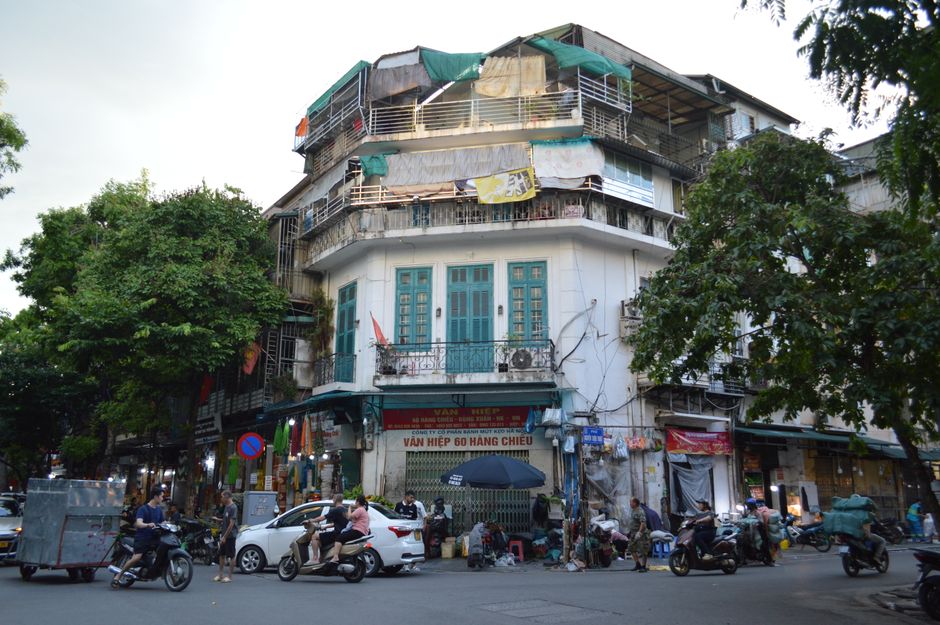
Should you spend your Hanoi trip wandering the Old Quarter, eating from sidewalk stalls, or using one day for Ha Long Bay? The strongest plan gives each experience enough time while protecting you from the most common travel mistakes: booking a rushed bay transfer, choosing food only by online fame, and treating Hanoi traffic like a normal walking city. This guide uses practical timings, planning ranges for 2026, and clear tradeoffs so you can build a trip that works on the ground.
Where should you walk in Hanoi’s Old Quarter?
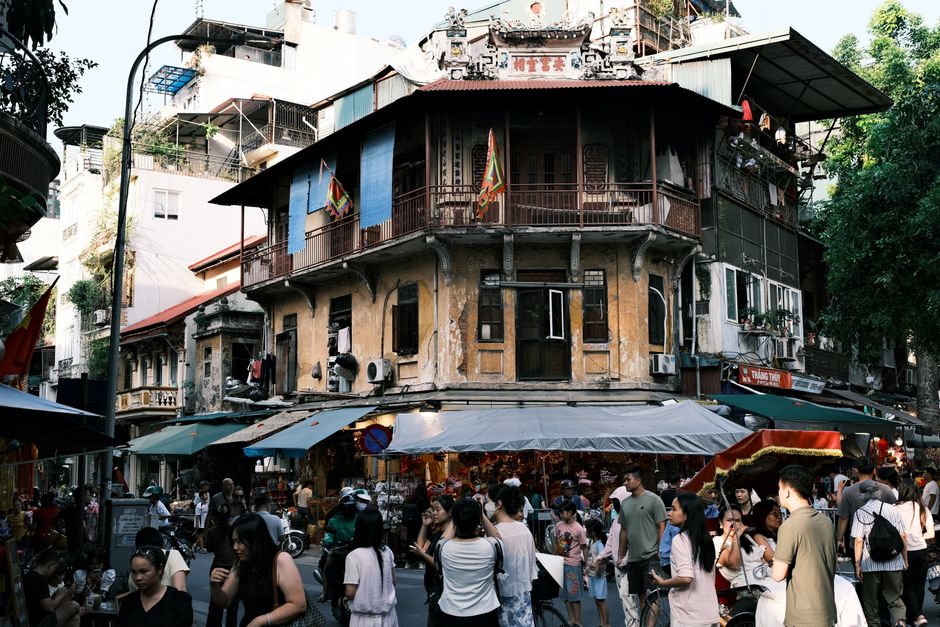
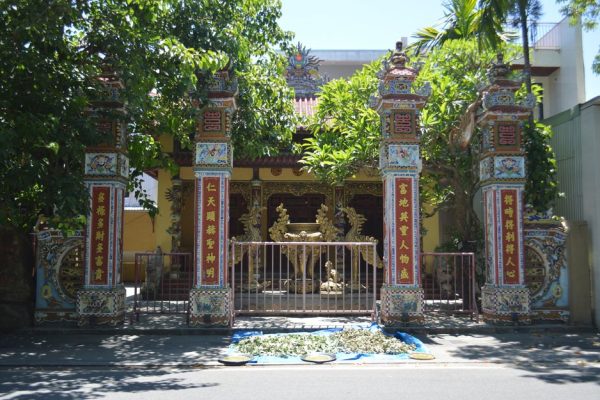
The Old Quarter is compact on a map but slow to cross. Pavements may become parking areas, shop floors, or motorcycle lanes, so distances under one kilometer can still take 15 minutes. Start early, before heat and traffic build, then return after dark when the streets change character. Hoan Kiem Lake is the best anchor because it gives you a simple reference point and a quieter walking loop.
| Route | Approximate time | What you get | Planning decision |
|---|---|---|---|
| Hoan Kiem Lake to Ngoc Son Temple | 30–45 minutes | Lakeside views, Huc Bridge, temple visit | Best first walk after arrival |
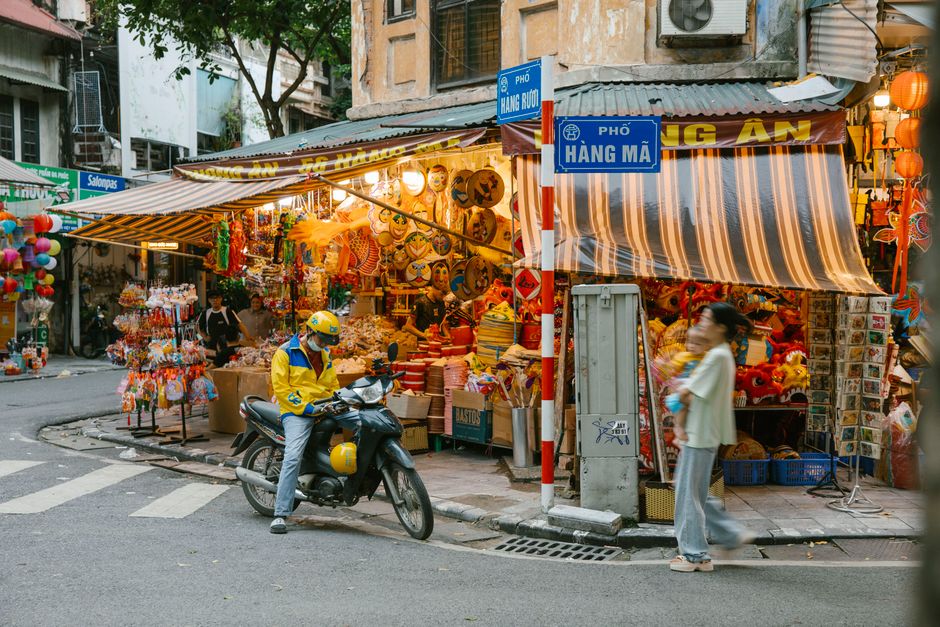
| Hang Gai to Hang Bac to Hang Ma | 60–90 minutes | Silk shops, silver stores, festival goods, narrow guild streets | Choose this for street-level history |
| Dong Xuan Market to Long Bien Bridge | 60–90 minutes each way | Wholesale market, railway area, Red River views | Do it before midday heat |
| Old Quarter to French Quarter | 30–50 minutes | St Joseph’s Cathedral, Opera House, colonial-era streets | Best paired with an evening meal |
Do not build a rigid route around Train Street. Access rules and café operations can change, and crowded visits create both safety and local-resident problems. A better walking plan follows the streets rather than chasing one photo: visit Hoan Kiem early, explore two or three guild streets, stop for coffee, then cross toward the French Quarter. Weekend vehicle restrictions around the lake can make the area more pleasant, but they can also change taxi access. Keep your hotel address saved in Vietnamese and carry a small amount of cash for short purchases.
What should you eat in Hanoi’s street-food scene?
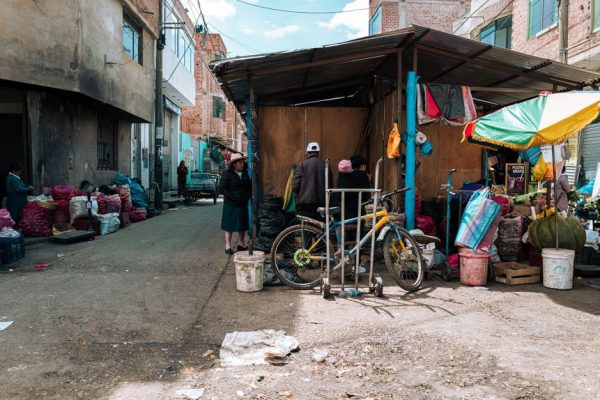
My food verdict is simple: eat four small meals instead of one famous dinner. Hanoi’s street food works because dishes arrive quickly, portions are manageable, and each neighborhood has its own rhythm. The main risk is not adventurous food; it is eating too much rich food too early, then spending the rest of the evening searching for a pharmacy.
- Breakfast: Try phở bò or bánh cuốn between 7:00 and 9:00, when broth and steamed rice rolls are moving quickly. A busy stall with high turnover is usually a safer choice than an empty stall with a longer menu.
- Lunch: Choose bún chả, grilled pork served with rice noodles, herbs, and dipping sauce. Bún Chả Hương Liên is a well-known reference point, but popularity does not make it the only worthwhile bowl in Hanoi. Compare the queue, seating, and freshness before committing.
- Afternoon: Order egg coffee at Café Giang or another established café, then balance it with a lighter dish such as bánh cuốn or fresh fruit. Egg coffee is rich enough to function as dessert.
- Evening: Add chả cá, bánh tôm, bánh gối, or a bowl of noodles. The official Hanoi food guide from Vietnam Tourism also highlights dishes such as eel noodles, shrimp cakes, and mixed flat rice noodles.
Common failure modes include drinking untreated water, accepting an unpriced dish without asking, and assuming every stall can handle allergies. Say the restriction clearly, but understand that shared grills, sauces, and chopping boards still create cross-contact. For a sensitive stomach, start with cooked food, sealed drinks, and smaller portions. Vegetarians should ask about fish sauce, shrimp paste, and meat stock rather than relying on the word vegetarian alone. The clear recommendation: use one guided food walk if you want context, then explore independently once you recognize the dishes and portion sizes.
Is Ha Long Bay realistic as a Hanoi day trip?
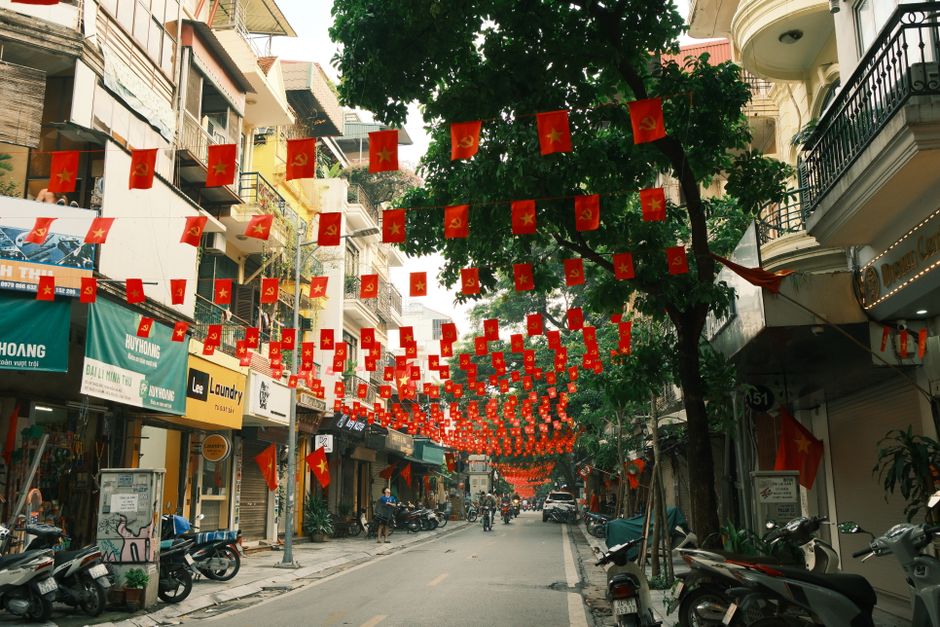
What does the day actually look like?
Ha Long Bay lies roughly 160 to 170 kilometers from Hanoi, but the useful figure is door-to-door time. The official Ha Long Bay information site lists the newer Hanoi–Hai Phong–Ha Long highway at about 1.5 hours for the road section, while other official travel information gives longer city-to-bay estimates. Once hotel pickup, traffic, a port check-in, and the return transfer are added, a day trip commonly becomes a 12- to 14-hour day. A typical schedule looks like this:
| Time | Activity | What to check |
|---|---|---|
| 06:00–07:00 | Hotel pickup in Hanoi | Confirm the pickup district and waiting point |
| 09:30–10:30 | Arrive near the port and board | Ask which route, boat, and meal are included |
| 11:00–15:30 | Bay cruise, cave, kayaking, or island stop | Weather may change the activity order |
| 16:00–17:00 | Leave the port | Late departure creates heavy return traffic |
| 19:30–21:30 | Return to Hanoi | Allow a wide range before booking evening plans |
What should a day-trip quote include?
Compare at least three written quotes before paying. Check the pickup zone, highway tolls, port fees, lunch, drinks, cave or island tickets, kayak or bamboo-boat fees, and the exact return point. A low headline price often excludes one of those items. For 2026 planning, a shared day trip may sit around 1,500,000 to 3,000,000 Vietnamese dong per person, while private transport and premium boats can cost much more; treat those as budgeting ranges, not guaranteed fares.
When should you skip the day trip?
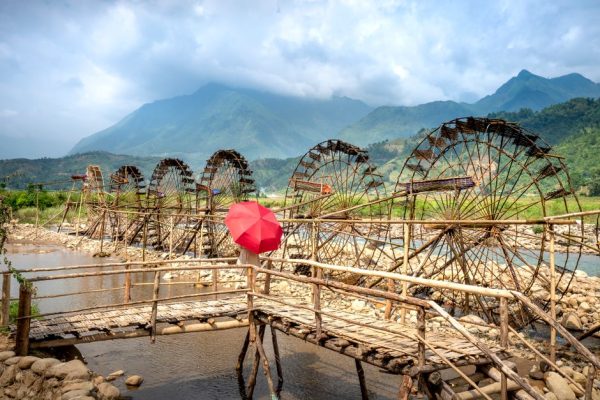
Skip it when you need a calm holiday, have limited mobility, get motion sickness, or have a flight soon after the return. A one-night stay near the bay gives you more time on the water and removes the same-day Hanoi return pressure. Ninh Binh is the stronger alternative for travelers who prefer caves, temples, rice fields, and land-based scenery. The verdict is firm: a Ha Long day trip is worthwhile for first-time visitors with four or more days and a strong interest in the bay; it is poor value for a two-day Hanoi itinerary.
Which Hanoi plan gives you the strongest value?
Choose the three-day city plan if food, history, and neighborhood life are your priorities, choose four days with a Ha Long excursion if the limestone seascape is a must-see, and choose an overnight bay stay if you can trade one Hanoi night for less road time; the most reliable plan protects at least two full days for Hanoi, keeps your first evening light after arrival, and treats tour prices, weather, road traffic, and attraction access as variable rather than guaranteed.
For a first visit, I would spend day one around Hoan Kiem and the Old Quarter, day two on museums, the French Quarter, and a food-focused evening, then use day three for either a slower neighborhood walk or Ha Long Bay only when the logistics fit; travelers with dietary restrictions, mobility limits, or an early departure should keep the day local, while travelers who value scenery over city detail should book the bay with written inclusions and a realistic return window.
The compressed comparison is below.
| Plan | Best for | Main advantage | Main exclusion or risk |
|---|---|---|---|
| 2 days in Hanoi | Short stopovers | Efficient access to the historic core | Little room for delays or slow meals |
| 3 days in Hanoi | Most first-time visitors | Strong balance of food, history, and flexibility | Ha Long Bay requires another trip |
| 3 days Hanoi plus Ha Long day trip | Scenery-focused travelers | Sees the bay without changing hotels | Long road day and fixed cruise schedule |
| 4 days with an overnight bay stay | Slower travelers | More time on the water and less return pressure | Higher cost and one less Hanoi night |