You’ve done the Amalfi Coast drive. You’ve eaten pasta in Bologna. Now you want real, unfiltered Italian food — the kind that doesn’t have a tourist menu in three languages. That means skipping Tuscany, Emilia-Romagna, and Campania entirely. This article shows you exactly how to plan a foodie road trip through Le Marche, Molise, and Basilicata. Three regions most travelers ignore. Three regions where the food is honest, cheap, and unforgettable.
Why These Three Regions Beat the Classics
Most foodie road trips in Italy follow the same script: Florence, Bologna, Naples. You fight crowds, pay €15 for a plate of pasta, and eat at restaurants that serve 400 covers a night. The lesser-known regions work differently.
Le Marche sits between the Apennines and the Adriatic. It produces some of Italy’s best Verdicchio wine and olive oil that wins international awards. The region has 16 Slow Food presidia — protected traditional foods — more per capita than any other Italian region.
Molise is Italy’s second-smallest region. It has no major airports, no train stations worth mentioning, and almost no international tourists. What it does have is caciocavallo cheese, truffles, and lamb dishes that make Abruzzo look like fast food.
Basilicata is the instep of Italy’s boot. Matera is famous for its cave dwellings, but the food scene is the real draw. Crusco peppers, peperone crusco, and cavatelli pasta made by hand in every nonna’s kitchen. The region grows some of the country’s best eggplants and bell peppers.
Here’s the hard truth: you won’t find English menus in most places. You won’t find credit card acceptance in small towns. That’s the point. You’re here for the food, not the convenience.
Sample 10-Day Itinerary: From Ancona to Matera
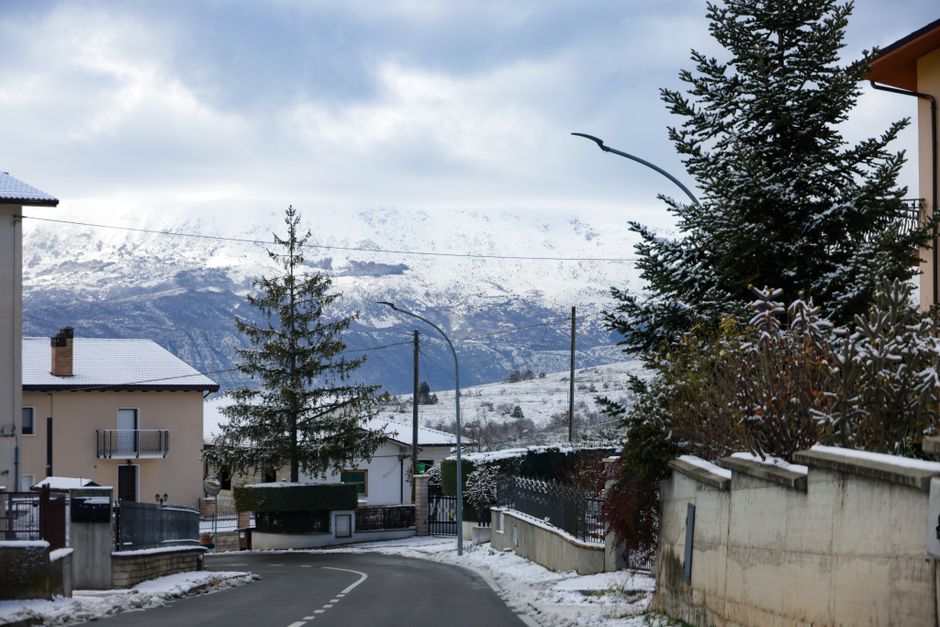
This route covers 800 kilometers total. You need a car — a small one works because Italian mountain roads get narrow. A Fiat 500 or Renault Clio is ideal. Rent from a local agency, not the airport chains. You’ll save €100-150 for the week.
| Day | Region | Base Town | Food Focus | Drive Time |
|---|---|---|---|---|
| 1 | Le Marche | Ancona | Brodetto all’anconetana (fish stew) | Arrival |
| 2 | Le Marche | Urbino | Crescia sfogliata (layered flatbread) | 1 hour |
| 3 | Le Marche | Macerata | Verdicchio wine tasting | 1.5 hours |
| 4 | Le Marche | Grottammare | Olive oil mill visit | 1 hour |
| 5 | Molise | Campobasso | Truffle hunting experience | 2 hours |
| 6 | Molise | Termoli | Brodetto di pesce (fish stew, Molise style) | 1 hour |
| 7 | Molise | Agnone | Zampina (spiced lamb sausage) | 1 hour |
| 8 | Basilicata | Matera | Cavatelli con sugo di salsiccia | 3 hours |
| 9 | Basilicata | Matera | Peperone crusco tasting | Local |
| 10 | Basilicata | Policoro | Mozzarella di bufala | 1.5 hours |
This itinerary keeps drive times under 3 hours per leg. That matters because Italian mountain roads are winding. A 100-kilometer drive takes 90 minutes minimum. Plan for that.
Three Mistakes That Ruin a Foodie Road Trip in Italy
Mistake 1: Booking restaurants in advance. In lesser-known regions, the best meals happen when you walk into a place at 1:30 PM and ask what’s fresh. Pre-booking locks you into fixed menus. Skip it. Walk into a trattoria in a small town and let the owner decide.
Mistake 2: Relying on Google Maps for food. Google Maps in rural Italy is useless. It shows tourist traps that paid for visibility. Instead, use the Slow Food app or the Osterie d’Italia guide. These list real, family-run places that serve traditional food. The app costs €5. Worth every cent.
Mistake 3: Driving after lunch. Italians eat lunch between 1:00 PM and 3:00 PM. Many small restaurants close between 3:00 PM and 7:30 PM. You cannot find food during those hours in villages. Plan your driving for 3:00 PM to 5:00 PM. Eat lunch early, then drive.
One more thing: do not assume every town has a gas station open at night. Fill up by 7:00 PM. Running out of fuel on a mountain road between Molise and Basilicata is not a fun story. It’s a real problem.
Budget Breakdown for 10 Days
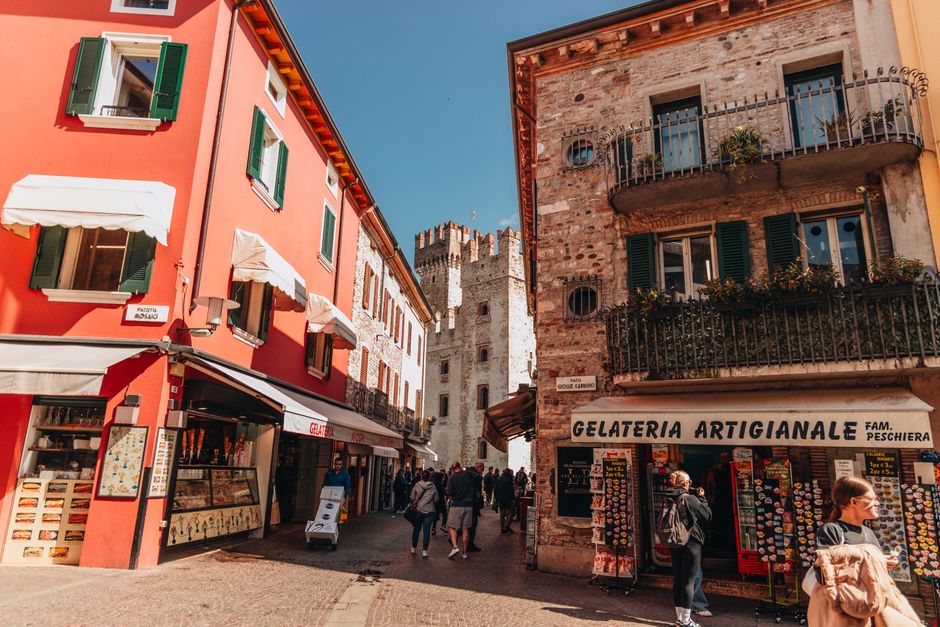
Here is the real cost of a foodie road trip in these regions. Prices are in euros. Assume two people sharing costs.
| Item | Cost per Day | 10-Day Total | Notes |
|---|---|---|---|
| Car rental (Fiat 500) | €35 | €350 | Local rental, manual transmission |
| Fuel | €25 | €250 | 800 km total, €1.80/L diesel |
| Lunch (two people) | €30 | €300 | Trattoria, no frills, house wine |
| Dinner (two people) | €50 | €500 | Full meal, wine, dessert |
| Accommodation (agriturismo) | €80 | €800 | Double room, breakfast included |
| Wine tasting / olive oil mill | €15 | €45 | 3 visits, usually free or €5-10 |
| Misc (tolls, parking, snacks) | €10 | €100 | Cash only in many places |
| Total | €245 | €2,345 | €1,173 per person |
Compare that to a week in Tuscany. You’d spend €400-500 per day easily. This route costs half as much and delivers food that’s more authentic.
When Not to Do This Trip (And What to Do Instead)
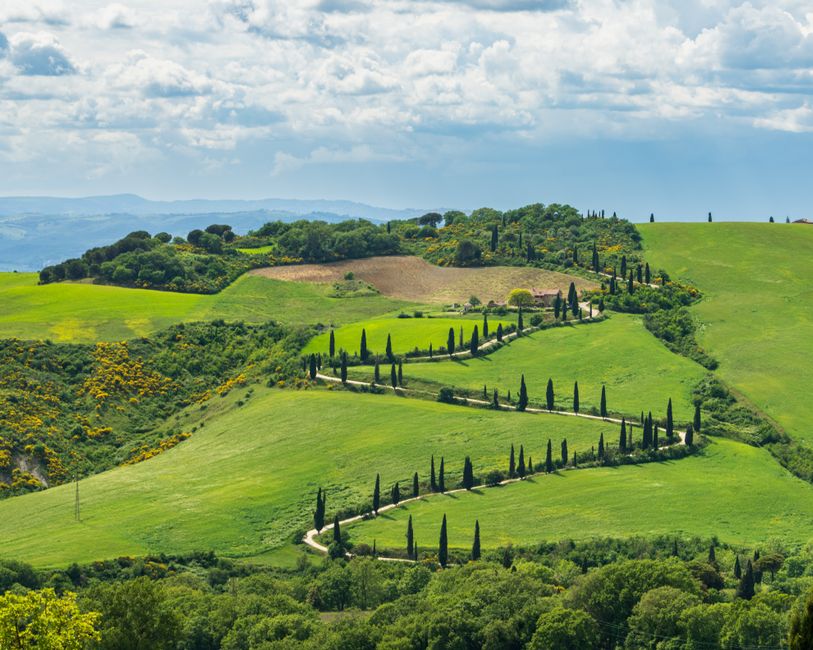
This trip is not for everyone. If you want Michelin-starred restaurants, skip these regions. Go to Modena or Alba. If you need vegetarian options at every meal, this route will frustrate you. Molise and Basilicata are meat-heavy. Lamb, pork, and game are everywhere. Vegetables exist but they’re side dishes, not mains.
If you travel in August, forget it. Italians take holidays. Many restaurants close for two weeks. Ferragosto (August 15) shuts down entire towns. The best months are May, June, and September. October works too, especially for truffle season.
If you cannot drive a manual transmission, you will struggle. Automatic rental cars are rare in rural Italy and cost 50% more. Learn to drive stick or bring a friend who can.
Here’s the alternative: if you want a similar experience but need better infrastructure, try Puglia. It’s more tourist-friendly, has English menus in most towns, and still serves incredible food. The trulli houses in Alberobello and the olive groves near Ostuni are worth seeing. But Puglia is busier. The tradeoff is convenience for authenticity.
For my money, the Le Marche-Molise-Basilicata route is the best food road trip in Italy right now. You get real food, real people, and real prices. Just bring cash, learn a few Italian food words, and drive carefully on those mountain roads.