
Why a walking route can beat a hop-on loop
The common misconception is that hop-on hop-off buses show you more of a city. They show you more landmarks, but that is not the same as seeing more of the place. A bus route gives you a fast outline. A neighborhood walk gives you the small details that explain why the city feels the way it does: a bakery opening before 7 a.m., a shaded courtyard behind an apartment block, a market street that changes after lunch, or a quiet view that never appears on a tour map.
Choose one neighborhood, not an entire city
The strongest plan covers one connected area in two to four hours. Set a walking limit of 4 to 6 kilometers, then choose one anchor such as a market, museum, station, waterfront, or historic square. A route that crosses the whole city creates dead time and pushes you toward taxis or public transport. A compact route lets you stop, turn down side streets, and change plans without losing the day.
Build around a local rhythm
Start with a reason to arrive early. A 9 a.m. market, 10:30 a.m. bakery stop, or noon café gives the walk a natural shape. Add one open space and one indoor fallback for rain or heat. The best neighborhood walking plans feel flexible because they have a clear spine, not because they list every possible attraction. My verdict: choose one neighborhood with three anchors and leave at least 30 minutes unplanned.
How to design a route in 20 minutes
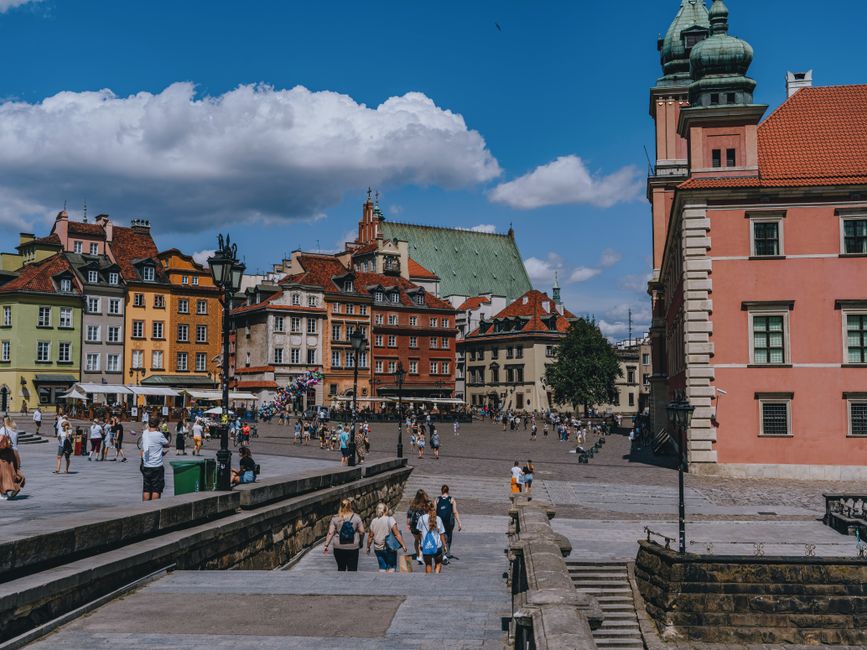
- Pick the start point. Use a rail or metro station with reliable toilets, lockers, and a café nearby. A central station usually works better than a famous monument because it gives you several exit options.
- Set the finish point. End near lunch, a waterfront, a hotel, or another transit stop. Do not finish in an isolated attraction after the last useful bus has left.
- Add three anchors. Select one food stop, one street or building cluster, and one quiet place. Three anchors create a story without turning the walk into a checklist.
- Connect them with side streets. Prefer streets with shops, trees, arcades, or public squares. Avoid long arterial roads unless they provide a meaningful view.
- Check the numbers. Keep the walking distance between 4 and 6 kilometers, include 60 to 90 minutes for stops, and allow 15 minutes of spare time for wrong turns.
- Save an exit. Mark the nearest metro station or taxi pickup point every 30 to 45 minutes. This matters when someone gets tired, a child loses patience, or the weather changes.
Use the route as a decision tool, not a contract. If the first market takes longer than expected, remove the least interesting anchor instead of rushing through every stop. A walking plan succeeds when the group finishes with energy left for dinner.
Which route shape works best for your day?
A loop is usually the best default because it returns you to a familiar transport point. A linear walk wins when two neighborhoods sit naturally along one tram or metro line. An out-and-back route works only when the destination at the end is strong enough to justify seeing the same streets twice.
| Route shape | Best distance | Best use | Main risk |
|---|---|---|---|
| Compact loop | 4–6 km | First visit, families, food-focused day | Repeating busy streets near the center |
| Linear route | 3–5 km | Two districts connected by transit | Weak finish if the last stop closes early |
| Figure eight | 5–7 km | Two distinct areas with one shared hub | Too much backtracking at the crossing point |
| Out and back | 2–4 km | Park, cliff, viewpoint, or waterfront | Low variety on the return walk |
My clear pick is the compact loop for most travelers. It reduces navigation stress, supports a mid-route break, and gives you an easy escape if the neighborhood feels disappointing. Use a linear route only when the transport connection is frequent and the ending has a clear reward, such as a major market or sunset viewpoint.
Use fewer attractions and more street-level stops
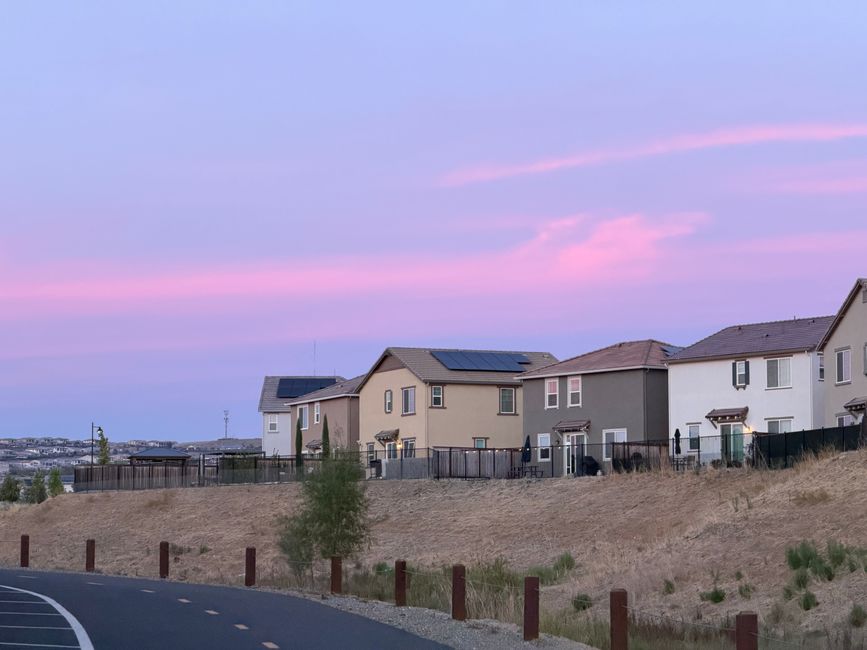
A walking day becomes better when you stop treating attractions as the only valid reasons to move. A large museum may deserve two hours, but a museum-heavy route often leaves you indoors, standing in lines, and following the same path as every other visitor. A neighborhood plan should give you evidence of daily life, not just a collection of famous facades. Choose a bakery, a small grocery, a public square, a residential street, a local design shop, and one major sight. That combination produces more texture than four headline attractions.
Plan the walk around a 90-minute first block. Start with breakfast, pass through the busiest commercial street before the crowds arrive, then turn into a quieter residential area. Place the major sight after that first block, when everyone has settled into the pace. Follow it with a 30-minute rest and a second block of 60 to 75 minutes. This sequence works because the group gets an early reward, a change of scenery, and a planned pause before fatigue builds.
Do not confuse emptiness with authenticity. A deserted street may be closed, unsafe after dark, or simply uninteresting. Look for useful signs: open shutters, delivery activity, children walking to school, public seating, and businesses serving local customers. My verdict is simple: choose one famous sight, then spend the rest of the route on streets that help explain it.
Common walking-plan mistakes that ruin the day

Most bad walking days fail before anyone puts on comfortable shoes. The route looks efficient on a map, but it ignores heat, hills, opening hours, and the different speeds within the group.
- Overloading the route: Six attractions across 9 kilometers creates a race. Keep three main anchors and mark the rest as optional.
- Trusting map distance alone: A 4-kilometer route with stairs, cobblestones, and a steep hill can feel like 7 kilometers. Add 20 to 30 minutes for difficult terrain.
- Starting at the wrong time: A market may close at 2 p.m., while a viewpoint may look flat and gray at 9 a.m. Match each stop to its useful time of day.
- Ignoring toilets and seating: Add a café, library, department store, or public garden every 60 to 90 minutes.
- Using a loop after dark: A route that feels lively at noon may become empty at night. Finish near a busy transit stop or return by taxi.
- Buying a tour pass by habit: A hop-on bus is useful for steep hills, limited mobility, heavy rain, or a first-day overview. Do not buy it simply because the route includes many landmarks.
When should you skip a neighborhood walk? Skip it during dangerous heat, severe storms, or a day when luggage makes every curb annoying. Choose public transport or a short guided tour instead. My verdict: the walking plan is the wrong tool when comfort and access matter more than local detail.
Make the plan work for different travelers
Is a neighborhood walk good for families?
Yes, if the route has a visible reward every 20 to 30 minutes. Use a playground, snack shop, fountain, bookshop, or short ferry ride as a reset point. Keep the first walking block under 2 kilometers and avoid stacking museums. A stroller needs curb cuts, wide pavements, and elevators, so check the route at street level rather than assuming a map knows every obstruction.
Can older travelers enjoy the same route?
They can, but the route needs more chairs, shorter climbs, and a reliable indoor break. Replace one long hill with a tram ride and keep the total walk near 3 to 4 kilometers. A neighborhood walk should never become a test of endurance. The strongest plan gives people permission to stop while the rest of the group continues to a nearby café.
What about solo travelers?
Solo walkers should choose active streets, carry a charged phone, and share the route with someone at home. Avoid isolated parks and waterfronts after dark. Keep one ear free from headphones so you can hear bikes, traffic, and other pedestrians. For solo visitors, a compact loop near public transport is the clear winner because it offers variety without forcing you to solve a transport problem alone.
Neighborhood walks versus tourist loops: the practical verdict
A hop-on loop remains useful when you need a fast overview, want to avoid steep terrain, or have only half a day. A neighborhood walking plan wins when you want local texture, flexible timing, and control over where you stop. The choice is not about seeing more pins on a map. It is about choosing the kind of day you want to remember.
| Priority | Best choice | Why |
|---|---|---|
| Local atmosphere | Neighborhood walk | More time for ordinary streets, shops, and small food stops |
| Mobility or bad weather | Hop-on tourist loop | Less walking and easier shelter between major sights |
| First two hours in a new city | Short bus loop, then walk | Fast orientation followed by slower exploration |
| Family with limited patience | Compact 3-km loop | Frequent rewards and simple exits |
| Best planning tool | Google Maps | Free pins, walking directions, opening hours, and offline maps |
For most healthy travelers with at least half a day, choose one neighborhood, three anchors, one indoor fallback, and a 4-to-6-kilometer loop. That simple structure beats a crowded landmark circuit because it leaves room for the parts of a city that cannot be scheduled.