At Four Seasons Resort Koh Samui, 60 of its 71 accommodations are private pool villas. That is the island in one number: Koh Samui sells very different holidays under the same beach-resort label. A hotel near Chaweng gives you restaurants and nightlife. A hillside villa near Lamai gives you silence. A family resort at Choeng Mon gives you pools, kids’ facilities, and an easier beach day. Pick the wrong area and a five-star room still feels inconvenient.
Why Koh Samui hotel location matters more than stars
Chaweng is the practical choice
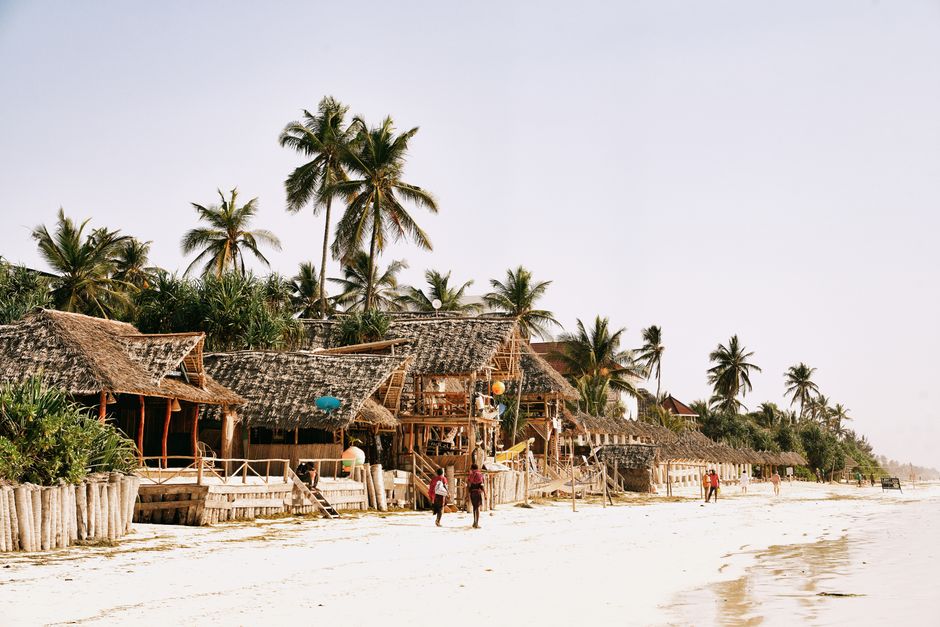
Chaweng works best for first-time visitors who want options outside the resort. The main beach has the island’s largest concentration of restaurants, bars, shops, massage studios, and tour desks. You can walk to dinner instead of paying for a car every night. The trade-off is noise, busier sand, and a less private feel, especially around central Chaweng. North Chaweng is the smarter version: quieter, close to the airport, and still near the action.
Bophut and Choeng Mon suit slower trips
Bophut gives you the Fisherman’s Village dining strip and a calmer evening rhythm. It suits couples who want good food without Chaweng’s late-night energy. Choeng Mon is better for families and travelers who want a compact beach holiday. The bay feels sheltered, several resorts have large pools, and the airport is usually a short drive away. You will need transport for many island sights, but that is a fair trade for a calmer base.
Lamai and the northwest are different holidays
Lamai offers a more relaxed alternative to Chaweng, with a town center, beach restaurants, and access to viewpoints and waterfalls. The northwest coast is quieter still. Resorts there focus on villas, views, and staying on property. This is the right setup for a honeymoon or a full reset. It is the wrong setup if you want to explore on foot every night. My rule is simple: location beats the star rating. Choose the daily rhythm first, then compare rooms.
Koh Samui hotel shortlist at a glance
The useful comparison
These are not interchangeable resorts. Their layouts, beaches, and guest profiles are different. The figures below come from current hotel information and help explain the price gap. Room rates move sharply with dates, holidays, and minimum-stay rules, so treat the specifications as fixed and the nightly price as flexible.
| Hotel | Best for | Useful facts | Main compromise |
|---|---|---|---|
| Anantara Lawana Koh Samui Resort | Best overall | 122 rooms, suites, villas, and residences; rooms from 55 sqm; northern Chaweng | Central beach areas are busier |
| Four Seasons Resort Koh Samui | Privacy and service | 71 accommodations; 60 private pool villas; private beach access | Remote and expensive |
| Kimpton Kitalay Samui | Families | 108 rooms; Essential Rooms measure 58 sqm; kids’ waterpark | Choeng Mon is not nightlife central |
| Hyatt Regency Koh Samui | Pool-focused families | 140 rooms; five freeform pools; eight minutes from the airport | Rocky coastline needs beach shoes |
| Banyan Tree Samui | Secluded couples | All-pool-villa resort; Deluxe Pool Villa is 130 sqm; private Lamai bay | Hilly layout and limited walkability |
How to read the table
For most travelers, Anantara Lawana is the safest all-round choice. For a resort-only stay, Four Seasons wins on privacy. Families should start with Kimpton Kitalay or Hyatt Regency, while couples wanting a private pool and little outside noise should look at Banyan Tree Samui. The shortlist is already better than searching by five-star rating alone.
Best overall hotel: Anantara Lawana Koh Samui
Why it wins
The best overall pick is Anantara Lawana Koh Samui Resort. It sits at the quieter northern end of Chaweng, about seven minutes from Samui International Airport, while keeping you close enough to reach Chaweng’s restaurants and nightlife. The resort has 122 rooms, suites, pool villas, and larger residences. Entry-level Deluxe Lawana Rooms provide 55 sqm, a private terrace, a bathtub, and space for up to three adults. That is a meaningful amount of room for a standard category.
Which room to book
Book the Deluxe Lawana Room if you plan to spend your days outside. Choose the Garden View Suite for two adults with a child because it offers a more useful sleeping layout. The Anantara Pool Suite adds an 89 sqm footprint and a plunge pool. The official room page recently showed Deluxe Lawana Rooms from THB 5,873, but that figure changes with dates and availability. Do not treat a displayed starting rate as your actual trip price.
Who should skip it
Skip Anantara Lawana if your priority is complete isolation or a perfectly soft, empty beach. Chaweng remains the island’s busiest tourist zone, even at its quieter northern end. For a first Koh Samui visit, though, the mix is hard to beat: airport convenience, private beach access, oceanfront breakfast, resort activities, and easy access to real island life. It is the clear winner for travelers who want one hotel to handle several kinds of holiday.
Best hotel for privacy: Four Seasons Resort Koh Samui

The verdict
Four Seasons Resort Koh Samui is the best privacy pick. Every guest villa has a private infinity pool, and the resort occupies a secluded northwest setting with private beach access. The hillside design delivers wide Gulf views, strong service, and a genuine sense of separation from the busier east coast. It is built for guests who want the resort to be the destination, not merely a bed between excursions.
The trade-off you must accept
The same seclusion that makes Four Seasons special makes it inconvenient for spontaneous dinners and casual island wandering. The property has 71 accommodations, including 60 pool villas and 11 private residences, so the experience leans heavily toward space and privacy rather than a traditional hotel corridor. Book it for a honeymoon, milestone trip, or villa-centered escape. Do not book it to save money or explore Chaweng every evening. In that case, Anantara Lawana delivers a better balance. Four Seasons wins only when peace, views, and service matter more than location.
Best family hotels for an easy beach holiday
Pick Kimpton Kitalay Samui first
Kimpton Kitalay Samui is the best family pick. Its Essential Rooms measure 58 sqm, connecting rooms are available, and Essential Pool Access Rooms include child safety gates. The resort also has a kids’ waterpark open from 10:00 a.m. to 5:00 p.m. That combination removes several common family hassles before they start.
- Check the sleeping plan. An Essential Room offers a king or two twin beds. Families needing more separation should price a One Bedroom or Two Bedroom Suite instead of assuming an extra bed will solve everything.
- Use Choeng Mon as the base. The beach is calmer than central Chaweng, and the resort gives children a contained place to play while adults stay nearby.
- Choose pool access carefully. It is convenient, but it can add noise and foot traffic outside the terrace. Parents with toddlers should ask for a quieter room location if sleep matters more than instant pool entry.
- Plan one outside dinner. Kimpton has several restaurants, including FishHouse and SHIO, but a short taxi ride gives the family more variety without relocating hotels.
- Use Hyatt Regency as the alternative. Hyatt has 140 rooms, five freeform pools, family rooms, and a complimentary Camp Hyatt activity. Pick Hyatt if pool time is the main event. Pick Kimpton for the stronger mix of room size, beach feel, and family details.
Which Koh Samui hotel is best for couples?
Is Banyan Tree Samui the best honeymoon resort?
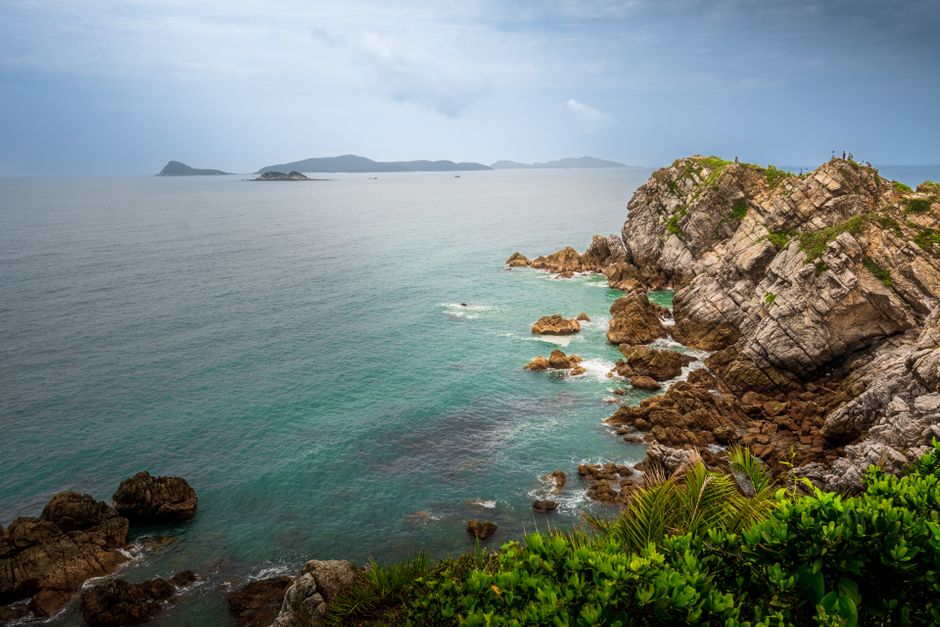
Yes, for couples who want a private pool and a quiet setting. Banyan Tree Samui sits on a hillside above a private bay in Lamai and operates as an all-pool-villa resort. Its Deluxe Pool Villa measures 130 sqm, with open-air living, an outdoor terrace, and an infinity pool. The property is about 19 km from the airport, roughly a 30-minute drive. That distance protects the quiet but makes the resort less useful for casual town-hopping.
Is Anantara Lawana better for couples who want nightlife?
Yes. Anantara Lawana gives couples private terraces, plunge-pool categories, oceanfront dining, and a short ride or walk to Chaweng’s busy center. It feels romantic without trapping you inside the resort. The compromise is a livelier surrounding area and less total seclusion than Banyan Tree.
What about a design-led quiet stay?
Capella Koh Samui is the strongest choice for couples who care about polished design, private space, and a calmer northeast-coast setting. Choose it over a larger family resort when dining, service, and villa atmosphere matter more than a long list of activities. My couple’s verdict is direct: Banyan Tree for maximum privacy, Anantara Lawana for access, and Capella for refined quiet. Do not pay for a private pool if you plan to spend every day on boat trips; put that money into excursions and book a well-located room instead.
Koh Samui booking mistakes that ruin good hotels
Mistake one: booking the view instead of the beach
A sea-view room does not guarantee a swimmable beach. Some resorts sit beside rocky shorelines or steep hills. Hyatt Regency Koh Samui specifically advises beach shoes because of its rocky coastline. Ask three direct questions before paying: Can guests swim at normal tide? Is the route to the sand flat? Does the beach change during the season? A beautiful balcony cannot fix difficult water access.
Mistake two: ignoring transport and weather
Read the map, not just the resort photos. A remote northwest villa can be perfect for three quiet nights and frustrating for a week of restaurants, markets, and temple visits. Add airport transfers, taxis, and possible boat-day pickup costs to the room budget. Also check the beach orientation and your travel month. Wind, rain, tides, and sea conditions can change the experience more than the hotel’s star count.
Finally, compare the room category line by line. A 55 sqm garden room, a 115 sqm pool-access villa, and a 160 sqm sea-view pool villa are different holidays at the same resort. Start with your beach, set your transport limit, then choose the room. That simple order solves the problem behind the opening statistic: the right villa is not automatically the right hotel. For most visitors, Anantara Lawana remains the balanced answer; for a true stay-put escape, choose the private-villa resort and accept the distance.