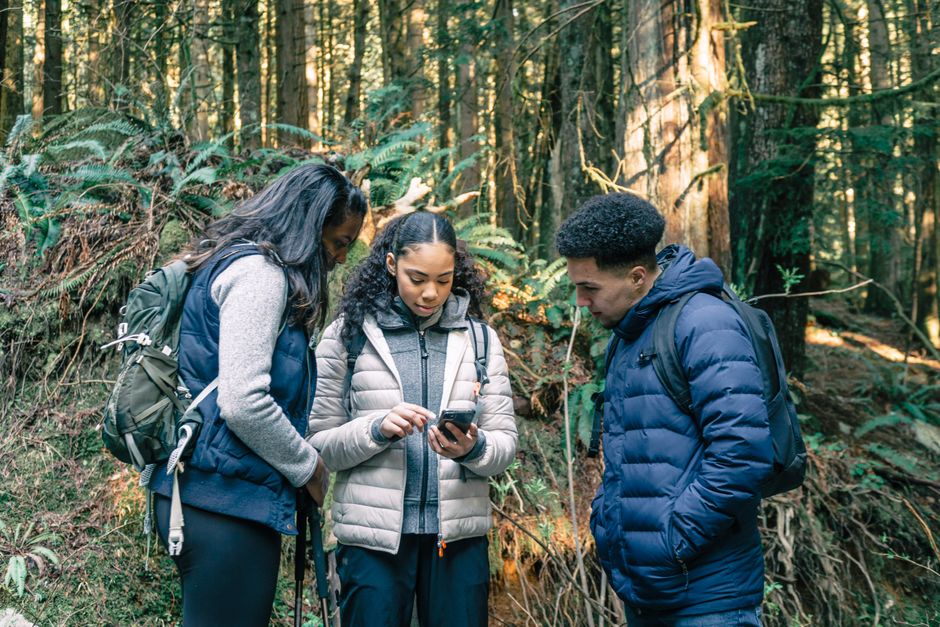
Oregon has over 1,200 named hiking trails across 11 national forests, 7 national parks or monuments, and 258 state parks. That’s roughly 5,000 miles of maintained footpaths. But every year, search and rescue teams in Oregon respond to more than 300 hiker incidents. Half of those involve people who were unprepared for weather changes, carried no map, or underestimated the elevation gain. This guide breaks down the real numbers, the gear that actually matters, and the trails worth your time — without the fluff.
Why Most Hikers Get Into Trouble on Oregon Trails
Three things cause the majority of Oregon hiking incidents: rapid weather shifts, poor footwear, and navigation failure. Oregon’s weather can swing 30°F in two hours on a single trail. In the Columbia River Gorge, summer afternoons often bring sudden thunderstorms. On Mount Hood, snow persists into July above 6,000 feet.
Footwear is the second biggest failure. The Oregon Department of Emergency Management reports that 22% of rescues involve ankle injuries. Hikers wearing trail runners without ankle support on scree fields or wet basalt slabs — that’s the typical profile.
Third, people rely on their phone. Cell coverage is nonexistent on most Oregon backcountry trails. The Pacific Crest Trail through Oregon has dead zones stretching 40 miles. A paper map or a dedicated GPS device like the Garmin inReach Mini 2 ($400) eliminates that risk.
Verdict: If you carry only one piece of gear beyond the ten essentials, make it a satellite communicator. The cost of a rescue can run $2,000–$10,000 depending on location and helicopter access.
The Five Best Hikes in Oregon (and Who They’re Actually For)
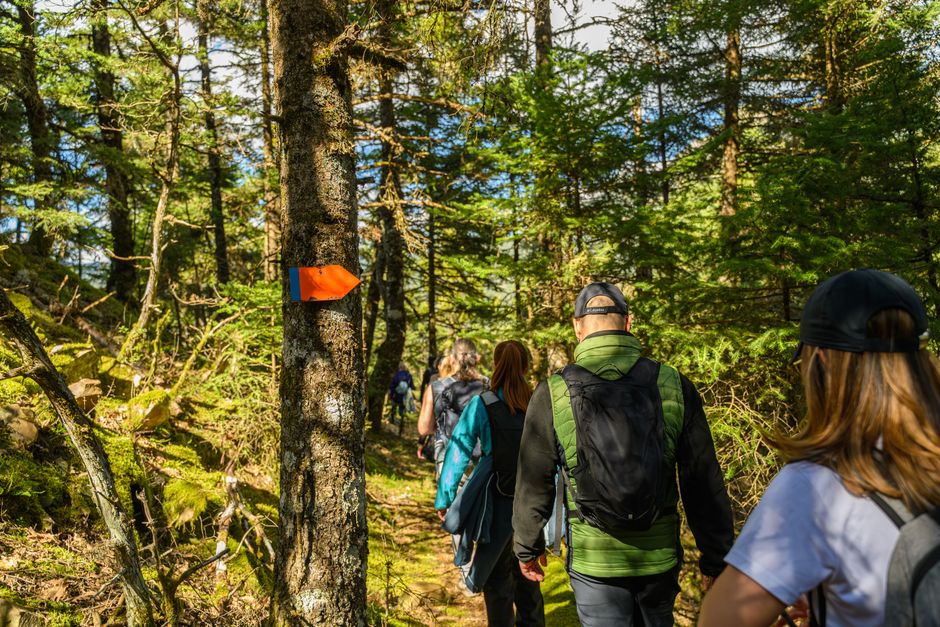
Not every trail fits every hiker. Here’s a straight comparison based on difficulty, elevation, and crowd levels.
| Trail Name | Distance | Elevation Gain | Difficulty | Best For | Permit Needed? |
|---|---|---|---|---|---|
| Eagle Creek Trail (Columbia Gorge) | 6.6 miles round trip | 1,100 ft | Moderate | Waterfall lovers, day hikers | Yes (NW Forest Pass, $5/day) |
| South Sister Summit | 11 miles round trip | 4,900 ft | Strenuous | Experienced hikers, summit seekers | No, but register at trailhead |
| Opal Creek Trail | 7 miles round trip | 600 ft | Easy | Families, casual hikers | No |
| Pacific Crest Trail (Section B — Cascade Locks to Timberline Lodge) | 40 miles | 5,200 ft cumulative | Difficult | Backpackers, multi-day trekkers | No, but camp permits required |
| Silver Falls State Park Trail of Ten Falls | 7.2 miles loop | 800 ft | Moderate | Photographers, families | Yes ($5 day-use fee) |
Key insight: Eagle Creek is the most searched Oregon trail online, but it’s also the most crowded. Go on a Tuesday or Wednesday. South Sister requires an alpine start — leave by 5 AM to avoid afternoon lightning risk.
What to Pack for an Oregon Day Hike (Based on Real Conditions)
The standard day hike packing list from most blogs is generic. Here’s what actually matters in Oregon’s specific environments.
Footwear
On wet basalt or muddy forest trails, trail runners with aggressive lugs work better than stiff boots. The Keen Targhee III ($150) has a Vibram outsole that grips wet rock well. For snow or scree, switch to a boot with ankle support — the Oboz Bridger 8″ ($210) is the most common boot seen on Oregon summit trails.
Layers
Oregon’s coastal and mountain trails require a three-layer system. A merino wool base layer (Smartwool Merino 250, $110), a mid-layer fleece (Patagonia R1, $159), and a waterproof shell (Outdoor Research Helium, $190). Skip cotton. It stays wet for hours and causes hypothermia risk at 55°F.
Navigation
Bring a paper map. The Green Trails maps ($12 each) cover most Oregon trail systems. Also carry a compass and know how to use it. The Suunto M-3 ($45) is cheap and reliable.
Water
Oregon has abundant water sources, but giardia is present in most streams. A Sawyer Squeeze filter ($40) weighs 3 ounces and filters 100,000 gallons. Don’t rely on purification tablets — they don’t remove sediment.
Permits, Fees, and Regulations You Can’t Ignore
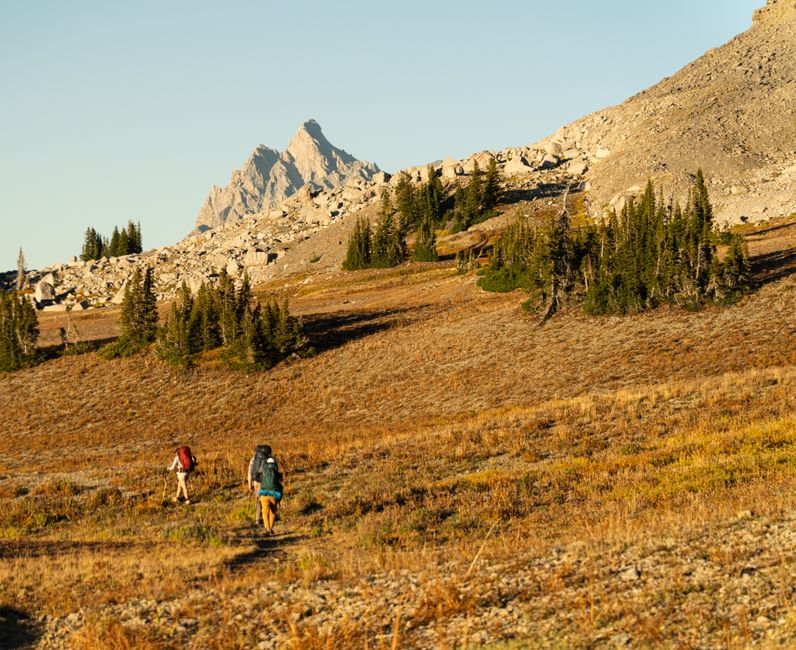
Oregon’s trail system is managed by multiple agencies, each with its own permit rules. Ignoring them can result in fines up to $250.
Northwest Forest Pass: Required at most trailheads in national forests. $5 per day or $30 for an annual pass. Buy online or at REI stores.
Oregon State Parks Day-Use Fee: $5 per vehicle at state parks like Silver Falls. Annual pass is $30.
Wilderness Permits: Certain areas like the Three Sisters Wilderness require a free self-issued permit at the trailhead. No permit = fine.
Camping Permits: Overnight stays in the Columbia Gorge National Scenic Area require a $6 per night permit. Reserve up to 6 months in advance at recreation.gov.
Fire Restrictions: From June through October, most Oregon forests ban campfires. Stoves with an on/off switch are allowed. Violating fire restrictions carries a $5,000 fine and potential jail time.
When You Should NOT Hike in Oregon (and Safer Alternatives)
Oregon’s hiking season is not year-round. Three specific conditions make trails dangerous.
Snowmelt Season (April–June): Trails above 4,000 feet are often snow-covered or muddy. The South Sister summit route becomes a steep snow climb requiring crampons and an ice axe. If you don’t have mountaineering experience, hike lower-elevation trails like Opal Creek or the Oregon Coast Trail instead.
Fire Season (July–September): Oregon averages 2,000 wildfires per year. Trail closures happen with little notice. Check the InciWeb fire map before driving to any trailhead. If air quality is above 150 AQI, skip the hike entirely. The particulate matter from wildfire smoke damages lung tissue even in healthy adults.
Winter (December–February): Most high-elevation trails are impassable without snowshoes or skis. The Columbia Gorge trails become icy and dangerous. Instead, hike the Oregon Coast Trail — it stays open year-round and rarely sees ice below 500 feet elevation.
Verdict: June is the worst month for Oregon hiking. Snow lingers on high trails, low trails are muddy, and mosquitoes are at peak population. September is the best month: stable weather, no bugs, and fewer crowds.
How to Avoid the Three Most Common Oregon Hiking Mistakes

Based on incident reports from the Oregon Office of Emergency Management, these three mistakes account for 60% of all hiker rescues.
Mistake 1: Starting Too Late
Hikers who start after 10 AM on summer weekends often run out of daylight. Oregon’s sunset can be as early as 4:30 PM in December and 8:30 PM in July. But afternoon thunderstorms build by 2 PM on many trails. Start by 7 AM or skip the hike.
Mistake 2: Underestimating Elevation Gain
Oregon trails are steep. The average elevation gain per mile on the Pacific Crest Trail through Oregon is 450 feet. That’s nearly double the Appalachian Trail’s average. A 10-mile hike with 4,500 feet of gain takes an experienced hiker 6–8 hours. Plan for 1 mile per hour on steep terrain.
Mistake 3: Not Telling Anyone Your Plan
Leave a trip plan with someone at home. Include the trail name, start time, expected return time, and vehicle description. Search and rescue teams use vehicle location as a starting point. Without a plan, they may not start looking until 24 hours after you were due back.
The Real Cost of an Oregon Hiking Trip (and Where to Save)
A single day hike in Oregon costs more than just gas. Here’s the actual breakdown for a typical trip to the Columbia Gorge.
| Expense | Cost | Notes |
|---|---|---|
| Parking fee | $5 | Northwest Forest Pass or day fee |
| Gas (round trip from Portland) | $10–$15 | 60 miles round trip, 25 mpg |
| Trail snacks | $8 | Nuts, bars, electrolyte tablets |
| Water filter (amortized per use) | $0.20 | Sawyer Squeeze, 100 uses |
| Total per person | $23–$28 | Excluding gear purchases |
Where to save: Skip the $8 trail snacks and pack your own. Use a free trailhead that doesn’t require a pass (many in the Coast Range have no fee). Buy an annual Northwest Forest Pass for $30 if you hike more than 6 times per year.
Where not to save: Footwear and navigation. Cheap boots ($50–$80) wear out in one season and increase injury risk. A $45 compass and $12 map cost less than one rescue helicopter flight.
Oregon’s trail network is world-class, but it demands respect. The hikers who finish every trail safely are the ones who check weather reports, carry real navigation tools, and know when to turn back. That’s the mindset that matters more than any piece of gear.