
The cafe is full. You have a deadline in two hours. The guy next to you is on a video call without headphones. The espresso machine is screaming. You put on your headphones, tap the power button, and the world drops away. That silence costs money. The question is whether you pay Sony or Bose for it.
I have owned both the Sony WH-1000XM5 ($399) and the Bose QuietComfort Ultra ($429). I have used them in airports, on buses in Vietnam, in co-working spaces in Lisbon, and in apartments with thin walls. This is not a spec sheet comparison. This is what actually happens after six months of daily use.
What You Are Actually Paying For
Noise-cancelling headphones are not a luxury for digital nomads. They are a productivity tool. The fundamental problem they solve is simple: you cannot control your acoustic environment, but you can control what reaches your eardrums. A good pair of ANC headphones is cheaper than booking a private office in every city you visit. A private office in Medellín costs $250 per month. A good pair of headphones costs $400 once and lasts three years. The math is easy.
But not all noise cancellation is equal. The Sony WH-1000XM5 uses two processors and eight microphones to cancel noise. The Bose QuietComfort Ultra uses a different tuning philosophy. Bose prioritizes comfort and a natural sound profile. Sony prioritizes maximum silence and bass-heavy tuning. You need to know which one matches your workflow.
The Three Jobs These Headphones Must Do
For a digital nomad, these headphones have three jobs. If they fail at any one of them, they are not worth the money.
- Job 1: Blocking constant noise. Airplane engine hum, cafe chatter, air conditioning units. This is what ANC does best.
- Job 2: Clear calls in bad conditions. You will take Zoom calls from busy hostels. Your microphone needs to cut through background noise.
- Job 3: Surviving your bag. Headphones get thrown into backpacks with laptops, chargers, and snacks. Build quality matters more than you think.
The Sony WH-1000XM5 has a serious weakness on Job 3. The hinge design is flimsy compared to the older XM4. I have seen three broken XM5 hinges in co-working spaces this year. The Bose QuietComfort Ultra folds flat but still feels more solid. If you are hard on gear, this matters.
Battery Life and Charging Realities

Manufacturers lie about battery life. They test with volume at 50% and ANC off. You will use volume at 70% and ANC on full. Here is what you actually get.
| Specification | Sony WH-1000XM5 | Bose QuietComfort Ultra |
|---|---|---|
| Advertised battery (ANC on) | 30 hours | 24 hours |
| Real-world battery (my testing) | 26-28 hours | 20-22 hours |
| Quick charge | 3 min = 3 hours | 15 min = 2.5 hours |
| USB-C charging time (full) | 3.5 hours | 3 hours |
| Wired option (3.5mm) | Yes, included | Yes, included |
The Sony wins on battery. No contest. If you are taking a 14-hour flight from New York to Tokyo, the Sony gets you there and back on one charge. The Bose will need a top-up somewhere. But the Bose charges faster to full. For a nomad who works from cafes all day and charges at night, both are fine. For long-haul travel, the Sony is better.
Call Quality: The Dealbreaker Most Reviews Miss
Here is the thing nobody tells you: the Bose QuietComfort Ultra is better for calls. Not slightly better. Noticeably better. The microphone array on the Bose isolates your voice from background noise more effectively. I have taken calls on a busy street in Bangkok with the Bose and the person on the other end thought I was in a quiet room. With the Sony, they heard the tuk-tuks.
If you are a digital nomad who takes client calls from unpredictable locations, this is the deciding factor. The Sony WH-1000XM5 has decent call quality, but the Bose is the best in the industry for voice pickup in noisy environments. The Bose also has a feature called CustomTune that adjusts ANC to your ear shape. It works. The Sony does not have this.
But the Sony has one advantage: multipoint connection is more stable. I have connected the Sony to my laptop and phone simultaneously and switched between them seamlessly for weeks. The Bose sometimes drops one connection when a call comes in on the other device. It is a small annoyance, but it happens often enough to mention.
Comfort and Long Sessions
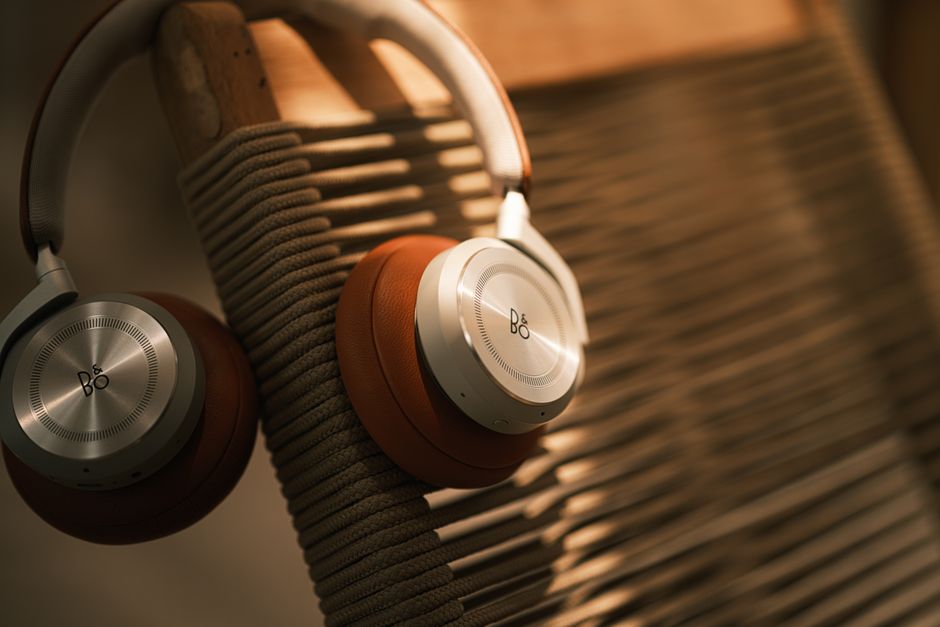
The Sony WH-1000XM5 is lighter. At 250 grams, it is 4 grams lighter than the Bose QuietComfort Ultra. That is not a typo. Four grams. But the weight distribution feels different. The Sony has a slimmer headband that creates a hot spot on the top of my head after three hours. The Bose has a wider, more padded headband. I can wear the Bose for six hours without noticing it. I cannot say the same for the Sony.
Ear cup depth matters too. The Sony ear cups are shallower. If you have ears that stick out, they will press against the driver cover. The Bose ear cups are deeper. This is why so many people say Bose is the most comfortable headphone brand. They are right. For long work sessions, the Bose wins on comfort. The Sony wins on weight and portability.
The Verdict: Buy the Bose, Unless You Fly Every Week
Here is my recommendation, and I am not going to hedge it. Buy the Bose QuietComfort Ultra if you are a digital nomad who takes calls from noisy places and wears headphones for more than four hours a day. The call quality alone justifies the $30 price difference. The comfort seals it.
Buy the Sony WH-1000XM5 if you fly constantly and need maximum battery life and slightly better ANC for engine noise. The Sony is also better if you want a more bass-heavy sound for music. But if you are choosing between these two for work, not for music, the Bose is the better tool.
One more thing: do not buy the older Bose QuietComfort 45 to save money. The microphone quality is significantly worse. The QuietComfort Ultra is worth the extra $100 if you make calls. If you are on a tight budget, the Sony WH-1000XM4 ($248) is still a better buy than the Bose QC45. It has better ANC and a more durable hinge than the XM5. But that is a different comparison.
You are back in that cafe. The deadline is closer now. You tap the power button. The world drops away. The difference is whether your client hears the silence or the espresso machine. That is the choice. I already made mine.