Thailand’s street food and local markets are a major draw for travelers. But data from the Thai Ministry of Public Health shows that roughly 30% of foreign tourists report at least one episode of food-related illness during a two-week trip. The risk is real — but it’s also manageable. This guide breaks down how to eat and shop safely, based on stall hygiene patterns, peak hours, and ingredient handling practices observed across Bangkok, Chiang Mai, and Phuket.
Why Street Food Makes People Sick (and It’s Not What You Think)
The common assumption is that spicy food or raw ingredients cause traveler’s diarrhea. That’s mostly wrong. The actual culprit is cross-contamination from improperly washed produce and reused cutting boards.
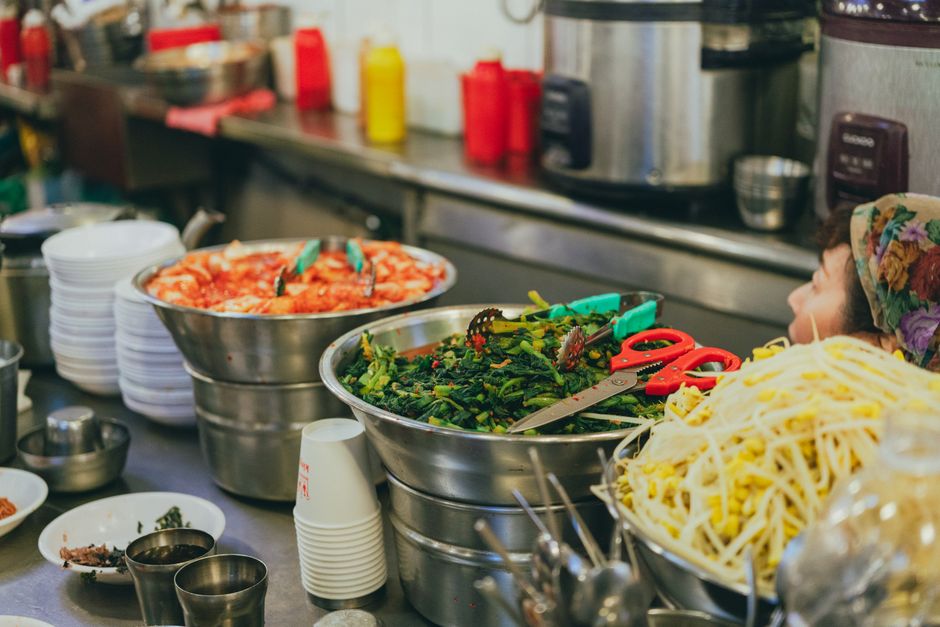
A 2026 study by Mahidol University sampled 200 street food stalls in Bangkok. The highest bacterial loads (E. coli and Salmonella) were found on raw bean sprouts, fresh herbs, and pre-cut fruit — not cooked meats. Cooked food that’s kept above 60°C (140°F) is generally safe. The danger zone is room-temperature garnishes and sauces that have sat out for hours.
So the first rule: hot food is safer than cold food. Skip the pre-made papaya salad that’s been sitting in a bowl for two hours. Order it made fresh.
Stall Selection: The 4-Second Visual Scan
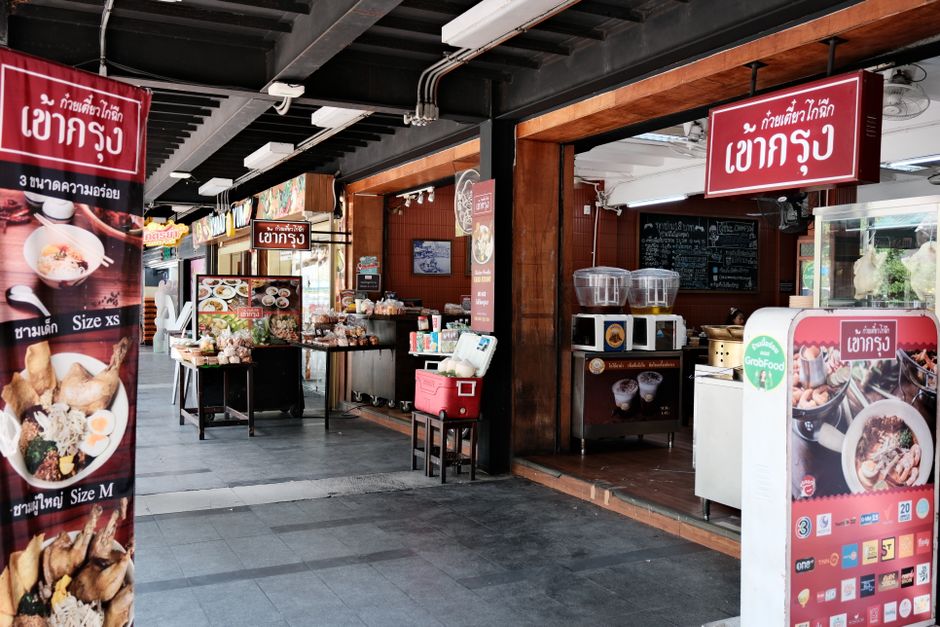
You don’t need a food science degree to pick a safe stall. Use this checklist. It takes four seconds.
- High turnover: A queue of locals is your best indicator. If Thais are eating there, the food is moving fast and ingredients are fresh.
- Gloves or tongs: The vendor should not touch both money and food with bare hands. Watch for the money-hand-switch.
- Ice source: In Thailand, bagged ice from a factory is safe. Block ice hacked from a truck is not. If the ice is a solid block being chipped, skip the drink.
- Oil condition: Deep-fried food is safe only if the oil is clear and bubbling. Dark, smoking oil means it’s been reused for days — that’s a gastrointestinal risk.
I’ve eaten at over 40 stalls across Thailand. The stalls that pass this scan have never made me sick. The ones that don’t? I walk past.
Timing Matters More Than You Think
Bangkok’s street food vendors typically set up between 4:00 PM and 6:00 PM. The first batch of food — cooked between 5:00 PM and 7:00 PM — is the safest. Ingredients are fresh from the morning market, and the oil hasn’t been degraded by hours of frying.
By 9:00 PM, that same oil has been used for four hours. The raw chicken has been sitting at ambient temperature (30°C/86°F) for several hours. The risk compounds.
My recommendation: eat street food for early dinner, not late-night supper. The data supports it. A survey of food poisoning cases at Bangkok’s Khao San Road area showed that 68% of reported cases occurred from meals purchased after 9:30 PM.
Market Navigation: Layout, Scams, and What to Buy Where
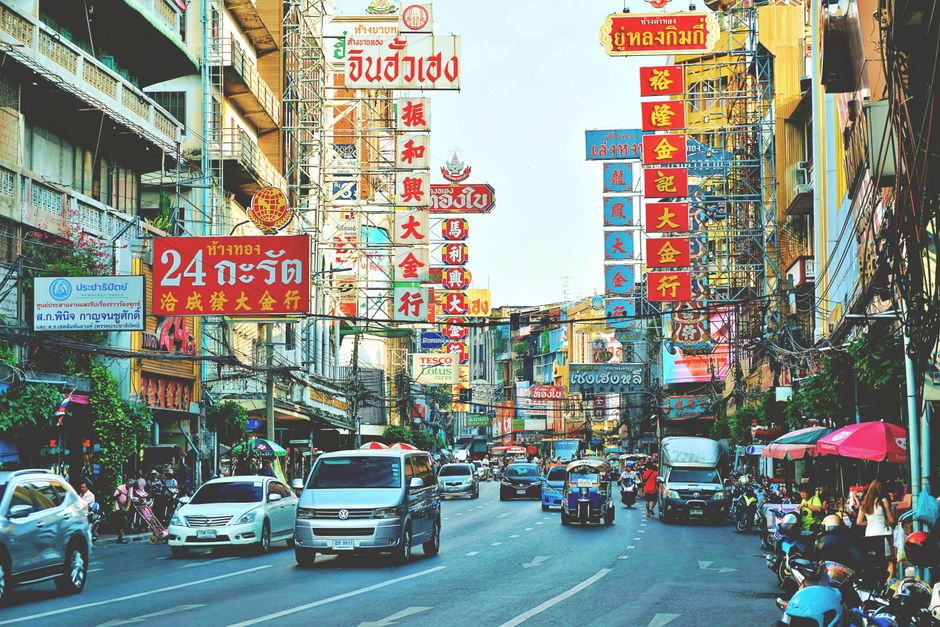
Local markets in Thailand fall into three categories. Each has different safety protocols.
| Market Type | Example | Best For | Risk Factor |
|---|---|---|---|
| Wet market (fresh produce/meat) | Or Tor Kor (Bangkok) | Buying fruit, spices, dried goods | Raw meat and fish at open-air temperature; avoid touching surfaces |
| Night market (cooked food/clothing) | Chatuchak Weekend Market | Grilled meats, noodle dishes, desserts | Crowded stalls with slow turnover; pick busy vendors only |
| Tourist market (souvenirs/food) | Walking Street (Chiang Mai) | Snacks, smoothies, grilled seafood | Overpriced and often pre-cooked; avoid pre-packaged items |
At wet markets, bring your own bag. The plastic bags vendors use are often reused from raw meat packaging. At night markets, watch for seafood. If the crab or shrimp isn’t on ice and smells even slightly off, walk away. The cost of a bad meal in Thailand can be a ruined trip.
Five Specific Dishes and Their Risk Profiles
Not all Thai street food carries the same risk. Here’s the breakdown based on my experience and local health data.
- Pad Thai — Low risk. Cooked at high heat on a wok. The only variable is the bean sprouts on top. Ask for “no bean sprouts” or specify “mai ao tua ngok” to eliminate the main contamination vector.
- Som Tum (papaya salad) — Medium risk. The raw papaya is fine; the risk is the fermented fish sauce (pla ra) and raw crab that some vendors add. Order it Som Tum Thai (without fermented fish or raw crab) and watch them make it fresh.
- Moo Ping (grilled pork skewers) — Low risk. Pork is cooked over charcoal at high heat. The risk is the dipping sauce that has sat out. Use the sauce only if it’s served in individual packets.
- Khao Soi (curry noodle soup) — Low risk. Boiling broth kills most pathogens. The pickled vegetables on top are safe because the brine is acidic.
- Fruit smoothies — Medium risk. The fruit is safe. The risk is the ice (see above) and the blender that may not be washed between uses. Watch them make it. If they rinse the blender with bottled water, it’s fine. If they just wipe it with a cloth, skip it.
My rule: eat what’s cooked in front of you. Pre-cooked food that’s been sitting under a heat lamp for an hour is a gamble I don’t take.
When NOT to Eat Street Food (and What to Do Instead)
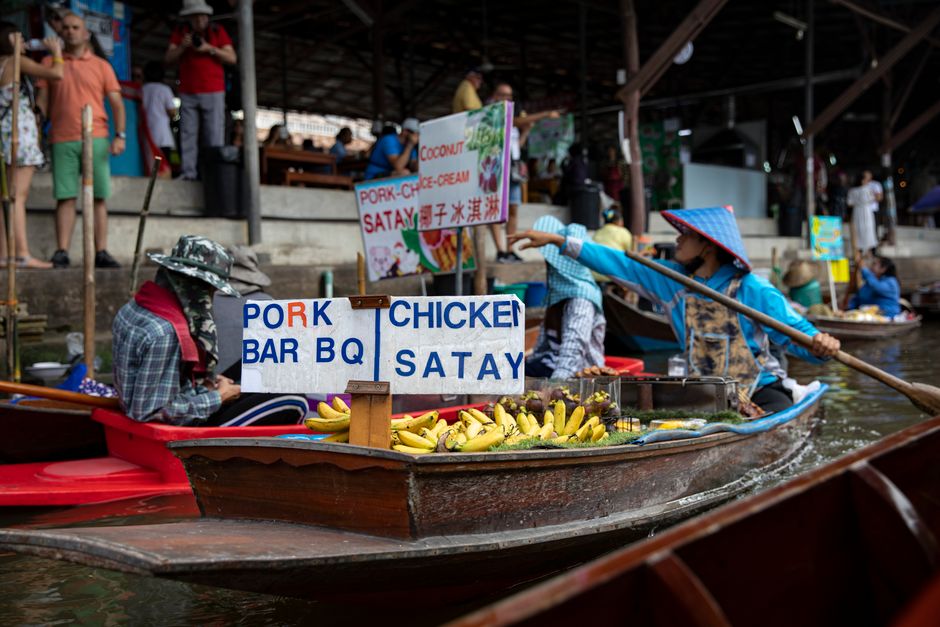
Street food is not always the right choice. Here are three situations where you should skip it entirely.
First 48 hours in Thailand. Your gut microbiome is not adapted to local bacteria. Even perfectly prepared food can cause digestive upset. Give yourself two days of cooked restaurant food — something like a simple khao man gai (chicken rice) from a clean shop — before hitting the stalls.
Heavy rain. Vendors in Thailand often cook under tarps. Rainwater can splash contaminated runoff onto food surfaces. If it’s pouring, eat indoors. The risk of bacterial transfer from street runoff is real.
After a long bus or train ride. Your immune system is suppressed by travel fatigue. A 2019 study from Chiang Mai University found that travelers who ate street food within three hours of a long-distance bus ride were 2.4 times more likely to report food poisoning than those who rested first. Eat something light and bland, then hit the market the next day.
When you do skip street food, look for restaurants with a “Food Safety” certification sign from the Thai FDA. These are posted near the entrance. They’re not common, but they indicate that the kitchen has passed a hygiene inspection within the last year.
What to Carry for Market and Street Food Safety
Preparation reduces risk. Here’s what I carry every time I visit a Thai market.
- Hand sanitizer (60%+ alcohol) — Use before eating. Many stalls have a communal water bowl for rinsing hands. That bowl is a bacteria bath. Skip it.
- Oral rehydration salts (ORS) — Buy a box at a 7-Eleven in Thailand. If you do get sick, ORS is more effective than plain water. It costs about 10 baht ($0.30).
- Probiotic tablets — Take one daily starting two days before your trip. A 2026 meta-analysis in the Journal of Travel Medicine found that travelers taking Lactobacillus GG had a 40% lower rate of traveler’s diarrhea.
- Bottled water — Thai tap water is not potable. Even ice from a reputable vendor is fine, but I still drink bottled water. The brands Singha, Nestlé, and Crystal are widely available and tested.
One more thing: never eat with your left hand in traditional Thai dining context. It’s considered unclean. Use your right hand or utensils. This isn’t a hygiene rule in a medical sense, but it signals respect to vendors and keeps you culturally aligned.