Carry-On Luggage Prices: What You’re Actually Paying For
How much should a carry-on bag cost? That’s the question most people ask after seeing prices swing from $35 to $750 for what looks like the same black rolling suitcase. The honest answer: you’re not always paying for what you think — and sometimes the cheapest bag genuinely makes sense.
After looking at dozens of bags across every price bracket — from AmazonBasics to Rimowa — here’s what the numbers actually mean.
Carry-On Luggage Price Ranges at a Glance
Before getting into what separates cheap from expensive, here’s how the market breaks down. These are current 2026 retail prices for standard hard-shell or soft-shell carry-ons in the most popular sizes (20–22 inches).
| Price Tier | Price Range | Example Products | Build Quality | Warranty |
|---|---|---|---|---|
| Budget | $30–$80 | AmazonBasics Hardside 20″, Coolife T1 | Thin ABS or basic polycarbonate, generic spinner wheels | 1 year or none |
| Entry Mid-Range | $80–$150 | American Tourister Moonlight, Samsonite Winfield 3 DLX | Polycarbonate shell, improved wheel housing | 1–10 years limited |
| Mid-Range | $150–$300 | Travelpro Platinum Elite, Beis Carry-On Roller, Away The Carry-On | Ballistic nylon or reinforced polycarbonate, Hinomoto wheels | Limited lifetime to lifetime |
| Premium | $300–$600 | Osprey Ozone 40, Briggs & Riley Baseline | Reinforced nylon, compression system, unconditional warranty | Lifetime unconditional |
| Luxury | $600+ | Rimowa Essential Cabin, Tumi Alpha 3 Continental | Multi-layer polycarbonate or ballistic nylon, precision wheel system | Lifetime |
The jump from budget to entry mid-range matters more than any other tier jump. Everything above $150 is largely about long-term durability, wheel quality, and — honestly — brand preference.
Why Carry-On Luggage Prices Vary by $600 Within the Same Category
A $45 AmazonBasics carry-on and a $730 Rimowa Essential Cabin are technically the same product type. Both roll. Both meet standard airline size limits. Both hold clothes for a four-day trip. So what’s driving that $685 gap?
Materials Cost Real Money
The cheapest bags use ABS plastic — the same material in cheap appliance housings. It’s lightweight but brittle. Drop it from waist height onto concrete and you’ll likely crack a corner panel within a year or two. Polycarbonate is meaningfully better — it flexes rather than shatters under impact. High-end bags like Rimowa use a multi-layer polycarbonate composite with internal ribbing, which costs significantly more to engineer and produce.
Soft bags tell a similar story. A $70 bag uses basic polyester. The Travelpro Platinum Elite at $285 uses 100D ballistic nylon — the same material in military and law enforcement gear. It resists abrasion roughly 15 times better than standard polyester. That difference is invisible after one weekend trip. It becomes obvious after 50 flights.
Wheels Are Where Most Bags Fall Apart First
Cheap spinner wheels use plastic axles and thin rubber treads. After 12–18 months of regular travel, they wobble, stick, or snap entirely. Mid-range and premium bags use Japanese Hinomoto wheels — the industry benchmark — with steel axles and multi-directional ball bearings. The Samsonite Winfield 3 DLX ($140) and Travelpro Maxlite 5 ($115) both use these. Below $80, almost nothing does.
A broken wheel on a $45 bag means replacing the bag. A broken wheel on a Briggs & Riley Baseline ($549) gets repaired free under their unconditional lifetime warranty — no asterisks, no exceptions, even if an airline handler smashes it. Run that math over a decade of regular travel.
The Zipper Detail Nobody Thinks About Until It Breaks
YKK zippers are on virtually every bag above $100. Below that, manufacturers use generic alternatives that fail under repeated stress or heavy packing. Jammed and broken zippers are the second most common reason people replace bags — right behind wheel failure. It’s a $3 component with a significant long-term cost.
Labor, QC, and Where Things Get Made
Budget bags come from factories optimized for volume. Premium bags involve tighter quality control, more hand-finishing steps, and stricter materials sourcing. Tumi manufactures across multiple facilities but with QC processes far stricter than mass-market producers. Rimowa assembles in Germany and the Czech Republic. Those labor costs are real, and they show up in the price.
None of this means you need to spend $700. But it does mean the $45 bag isn’t giving you a deal — it’s offering a trade-off. For someone flying twice a year on vacation, that trade-off makes complete sense. For someone flying every two weeks on business, it’s an expensive false economy.
Budget Carry-Ons Under $80: Buy With Eyes Open
The verdict: budget bags work perfectly well for occasional travelers. Frequent flyers will replace them within two years, making them more expensive in the long run.
The AmazonBasics Hardside Spinner 20″ runs about $45–$55 depending on color. The Coolife T1 hardside is comparable at $55–$65. Both meet major airline cabin size requirements and include TSA-approved locks. For someone flying two or three times a year on leisure trips, either bag is completely adequate for the job.
The Coolife has slightly thicker shell panels than the AmazonBasics — you can feel it when you press the sides. Neither has the structural integrity to survive rough baggage handling, and neither should ever be checked in the hold.
What you’re accepting in this price range:
- Wheels that will likely wobble or stick within 18 months of regular use
- Zippers that can bind or separate when the bag is packed tightly
- Shells that scratch easily and dent under moderate impact
- Minimal or no warranty coverage worth acting on
- No repair ecosystem if something breaks
For two trips a year? Those trade-offs are irrelevant. For anyone flying monthly, these bags are a poor investment dressed up as a bargain.
Mid-Range Carry-Ons ($80–$300): The Real Questions
Is the Samsonite Winfield 3 DLX worth $140?
Yes, clearly. The Winfield 3 DLX uses a hardshell polycarbonate exterior, a 10-year limited warranty, and spinner wheels that hold up under real use. At $140, it’s the most defensible pick in the entry mid-range tier. Interior organization is basic but functional. The shell resists denting and keeps its shape across hundreds of flights. This is the carry-on for travelers who want something that genuinely lasts without pushing $300.
What makes the Away The Carry-On worth $295?
Away’s flagship carry-on has been a dominant seller for several years. The polycarbonate shell holds up well. The interior compression system actually works — you can overstuff it and still zip it closed without a fight. The 360-degree spinner wheels are smooth. The internal organization, including a built-in laundry bag, is genuinely thoughtful design.
What you’re also paying for: brand aesthetics and the clean visual identity that’s made Away a status item in airport terminals. The functional value justifies maybe $200. The remaining $95 is brand positioning. That might matter to you — some people value owning something that looks considered. Just know what you’re buying.
Is Travelpro a better call than Away for frequent flyers?
Yes. Travelpro is what flight crews choose — not because it photographs well, but because it’s engineered for repeated, heavy-use abuse. The Platinum Elite carry-on at $285 has Hinomoto wheels, 100D ballistic nylon, a lifetime warranty with no meaningful exclusions, and an external expansion zipper that adds 2 inches of packing depth when you need it. It looks less fashionable than Away but outperforms it across thousands of miles. For anyone logging 20+ flights a year, the Platinum Elite is the clearest pick under $300.
Whatever bag you end up with, carry-on only packing strategies can help you get significantly more out of the space you have — regardless of the price tier you choose.
Premium Carry-Ons Over $300: The Short Answer
Buy the Briggs & Riley Baseline carry-on ($549) if you want the best functional value at this tier — the patented outsider compression system is genuinely unique and the unconditional lifetime warranty covers airline damage with no argument. Buy Rimowa ($700+) if design heritage and aesthetics are part of what you’re buying. Skip the Tumi Alpha 3 ($695–$795) if you’re choosing on function alone — it offers nothing meaningfully better than Briggs & Riley at $150 more.
Costs That Inflate Your Total Beyond the Sticker Price
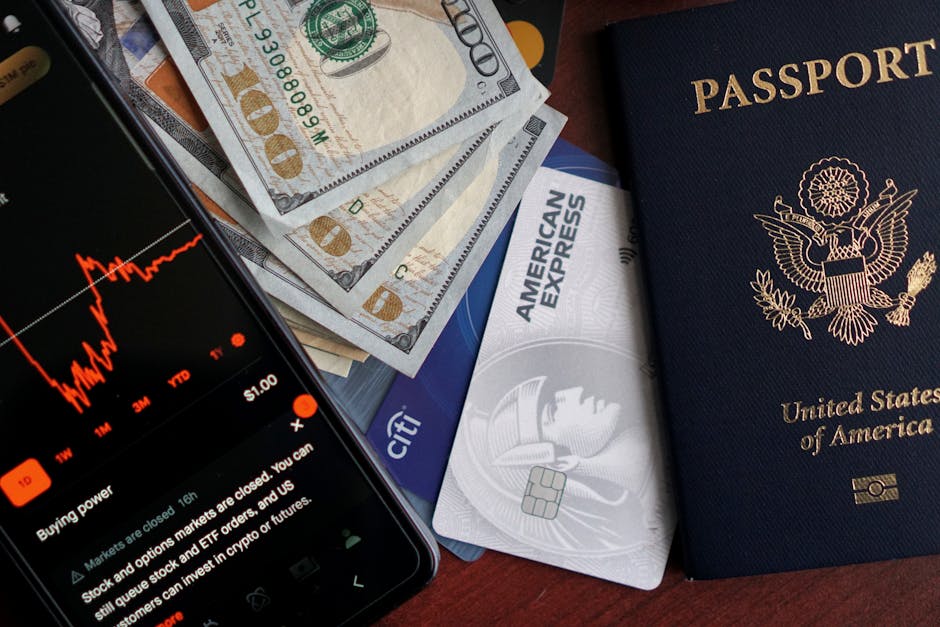
The price tag on the shelf is rarely the whole number. Here are the costs most buyers don’t calculate upfront.
- Airline size enforcement fees. Most standard carry-ons are 21–22 inches. Budget carriers — Ryanair, Spirit, Frontier — enforce stricter limits and sometimes charge $50–$65 to gate-check an oversized bag. A carry-on that passes on United may get charged on a Spirit connection. Measure your specific bag against the airline’s stated limits, not just the retailer’s “carry-on approved” label.
- Replacement cost modeling. A $50 bag lasting 18 months costs $33 per year. A $300 bag lasting 10 years costs $30 per year. The annual cost is nearly identical — except the $300 bag doesn’t fail on a Monday morning departure. Factor replacement frequency into any budget calculation.
- Packing accessories. Compression cubes, toiletry bags, and packing organizers add $30–$80 to your effective setup cost. Bags with thoughtful built-in organization (Travelpro, Briggs & Riley) reduce how much you need to buy separately. This cost is invisible at purchase and shows up later.
- Forced checked baggage fees. An overstuffed or oversized carry-on that gets gate-checked runs $30–$65 on most U.S. domestic routes. It happens more than people expect with bags that bulge when fully packed. This is also worth factoring into your broader travel spending — similar to how travel insurance costs often get overlooked until something goes wrong.
- Locks, tracking, and accessories. Not all bags include TSA-approved locks. A decent cable lock runs $12–$20. An AirTag holder adds another $10–$15. A luggage tag with contact info costs $8–$12. Budget $30–$45 for accessories on any new bag.
Brand Name vs. Build Quality: Where the Premium Actually Goes
Some brands charge more because they build better products. Others charge more because the name on the zipper pull is worth something in the market. Knowing which is which changes where you spend.
Brands where you’re paying for engineering
Travelpro and Briggs & Riley are the clearest examples. Travelpro is the official luggage of multiple airline crew programs — American Airlines cabin crew travel with it professionally. That’s not a marketing claim; it’s a procurement decision made by people whose bags get destroyed daily. Their pricing reflects material costs and warranty infrastructure, not advertising budgets. The Travelpro Platinum Elite at $285 has more engineered value per dollar than any comparably priced competitor.
Osprey is worth mentioning here. Known primarily for hiking packs, their Osprey Ozone 40 soft carry-on runs $200–$230 and is built to the same durability standard as their backcountry gear. The compression straps work under real load, the materials are tour-tested, and the bag fits overhead bins across most aircraft types. Consistently underrated in luggage comparisons.
Brands where you’re paying for the name
Rimowa and Tumi are luxury brands. The Rimowa Essential Cabin at $700–$730 has a distinctive grooved polycarbonate shell and German engineering credibility that’s real — but you’re also buying heritage, design identity, and the recognizable look that signals a certain kind of traveler. The Tumi Alpha 3 Continental at $695–$795 is well-constructed but not more functional than a Briggs & Riley at $150 less.
That’s not a criticism. Buying a Rimowa because you value what it represents is a legitimate choice. Just don’t rationalize it as purely functional when it isn’t.
The mid-market trap to avoid
Between $150–$250, brands like Delsey and IT Luggage charge mid-range prices for near-budget construction. Their marketing looks premium. Their actual wheel specifications and zipper quality sit much closer to the $80 tier. A Delsey Chatelet Air 2.0 at $180 does not build meaningfully better than a Samsonite Winfield at $140. Always check the warranty terms and specific wheel manufacturer — not just the retail presentation — before buying anything in this range based on aesthetics alone.
So, back to where we started: how much should a carry-on actually cost? For someone flying a handful of times a year, $80–$150 hits the sweet spot. The Samsonite Winfield 3 DLX at $140 is the clearest recommendation in that range. For frequent travelers — monthly flights, heavy use across multiple years — spending $280–$300 on a Travelpro Platinum Elite is the smarter long-term decision. Everything above $300 delivers diminishing functional returns. What you’re buying at that level is warranty peace of mind, and in some cases, the name stitched onto the bag. Both can be worth it. Just know which one you’re actually choosing.