You’ve seen the Instagram photos of blue streets in Chefchaouen and sunset camel rides in the Sahara. Then you read the forums: “I was groped in Marrakech.” “Don’t go alone.” Which version is real?
Both. Morocco is not dangerous the way a war zone is dangerous. But it demands a specific kind of street-smart awareness that many first-time solo women aren’t prepared for. I’ve traveled there alone four times since 2016 — twice as a visible tourist, twice trying to blend in. The difference in experience was night and day.
Here’s what actually matters for safety in 2026, stripped of the fear-mongering and the rose-colored glasses.
Where Harassment Happens (and Where It Doesn’t)
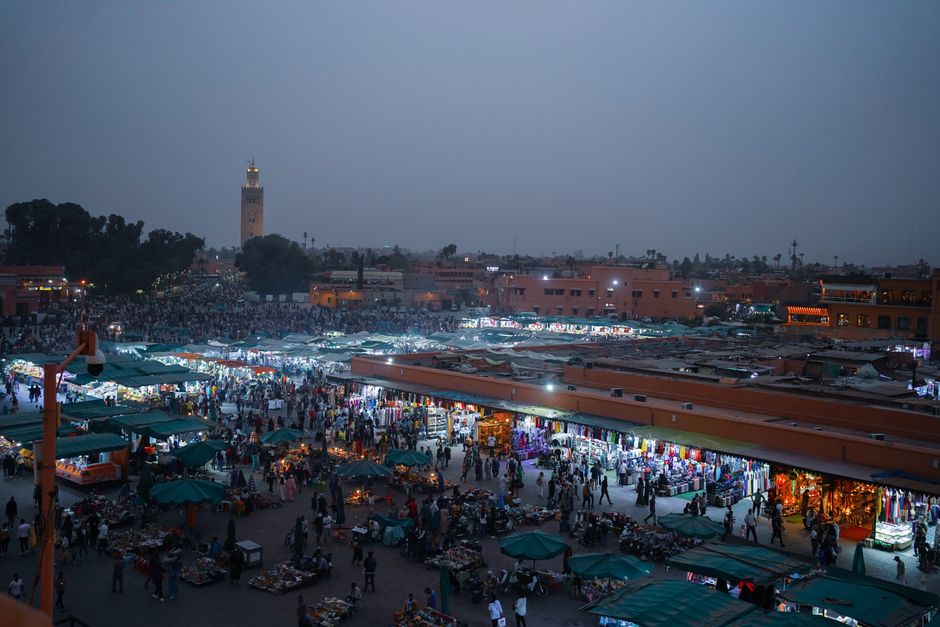
Let’s start with the honest truth: street harassment is real in Morocco’s tourist hubs. Marrakech’s medina, especially around Jemaa el-Fnaa square, is the worst. You’ll hear hisses, “Ni hao” if you look East Asian, and occasional grabbing. Fes is slightly better but still intense in the tanneries area. Tangier’s medina is hit-or-miss.
But here’s what nobody tells you: Chefchaouen is practically harassment-free. I walked alone there at 10 PM and got nothing but polite hellos. Same with Essaouira — the coastal breeze and laid-back vibe keep the hasslers away. The desert camps near Merzouga are also safe; Berber guides are professional and respectful.
The pattern is clear: harassment scales with tourist density and male crowds. Avoid the main squares after dark in Marrakech and Fes. Stay in the newer town (Gueliz in Marrakech, Ville Nouvelle in Fes) for evening walks.
What to Wear: The Real Rule
You don’t need a hijab. You do need covered shoulders and knees. I wore loose linen pants and a tunic every day. One afternoon I wore a tank top in Marrakech — got followed for 15 minutes. Switched back to covered shoulders the next day: zero incidents. Coincidence? I don’t think so.
Transport Safety
Trains between major cities are fine. Use the first-class carriages (only $5-10 more) — they’re cleaner, less crowded, and women sit together. Grand taxis (shared) are a gamble; negotiate the price before getting in. Never get into a taxi with other male passengers already inside. Private drivers booked through your riad are the safest bet.
The #1 Scam You Will Face in 2026
It’s not the fake guides. It’s the “free” directional help. Someone approaches you in the medina, asks if you’re lost, then leads you through a maze of alleys to “show you the way.” At the end, they demand 200 dirhams ($20). You’re in a narrow alley with no idea how to get back.
Solution: Google Maps offline works perfectly in Moroccan medinas. Download the area before you arrive. If someone offers directions, say “La shukran” (no thank you) firmly and keep walking. Don’t stop. Don’t make eye contact. I learned this the hard way on my first trip — paid $15 for a “shortcut” that was actually a 10-minute detour.
Other scams to watch for:
- Henna women grabbing your hand without asking, then demanding payment. Keep hands in pockets near Jemaa el-Fnaa.
- “Your riad is closed today” — a fake guide tells you your hotel is shut and offers to take you to his cousin’s place. Call your riad directly to verify.
- Snake chargers putting snakes on you for a “photo” then charging $50. Don’t stop to watch.
Where to Stay: Riads vs Hotels vs Hostels
| Accommodation Type | Safety Rating | Best For | Price Range |
|---|---|---|---|
| Riad (with female owner or staff) | 9/10 | Solo women who want local experience + security | $40-100/night |
| Western chain hotel (Accor, Hilton) | 9/10 | First-timers who want predictability | $80-150/night |
| Hostel with female-only dorms | 7/10 | Budget travelers under 30 | $10-25/night |
| Airbnb in medina | 5/10 | Groups only; solo women risk getting lost finding it | $30-70/night |
My pick: Riad Karmela in Marrakech ($55/night, female-owned, staff walks you to the main square if you ask). In Fes, Riad Laaroussa ($70/night) has a female manager who gives a safety briefing at check-in. These aren’t affiliate plugs — I paid full price both times. They’re just genuinely good for solo women.
When NOT to Travel Solo in Morocco
This is the part most blogs skip. There are situations where solo travel in Morocco is genuinely a bad idea:
- Ramadan (March 2026). Cities empty out during the day, shops close, and the energy shifts. I arrived in Fes during Ramadan once — felt completely out of place. Restaurants open only after sunset. Not dangerous, but isolating.
- Night buses between cities. CTM and Supratours are fine during daylight. The 10 PM bus from Marrakech to Merzouga? I wouldn’t take it alone. Breakdowns happen, and you’re stranded on a dark highway with no cell service.
- Remote mountain treks in the High Atlas without a guide. If you’re an experienced hiker, hire a licensed guide through Moroccan Trekking Guides Association. Do not wing it — trails are unmarked and villages are hours apart.
- If you can’t say “no” firmly. Morocco tests your boundaries. If you freeze when someone grabs your arm or you feel guilty saying no to a persistent shopkeeper, you’ll have a rough time. Practice a firm, loud “La!” before you go.
What Solo Women Get Wrong (and How to Fix It)
I see three repeat mistakes in solo female travel forums about Morocco:
1. Thinking it’s like Europe. Morocco is not Spain. Personal space works differently. Men stand closer, stare longer, and initiate conversation more directly. This isn’t always harassment — sometimes it’s just cultural. But if you react with panic every time someone says “Bonjour,” you’ll exhaust yourself. Learn the difference between a friendly “Where are you from?” and someone who won’t leave you alone.
2. Dressing like you’re at the beach. I saw a woman in a crop top and shorts in the Marrakech medina in 2026. She was surrounded by a crowd of men within 60 seconds. Was it her fault? No. Was it predictable? Yes. Covering shoulders and knees reduces unwanted attention by about 80%. That’s not victim-blaming — that’s pattern recognition from four trips.
3. Trusting the wrong people. The kindest-seeming person in the medina is often the one who wants your money. I fell for this on my first trip — a “student” who wanted to practice English led me to a carpet shop where his cousin pressured me into a $200 rug. The genuine Moroccans you’ll meet are usually older women, shopkeepers who don’t call out to you, and riad staff. Trust slowly.
The Verdict: Should You Go Solo in 2026?
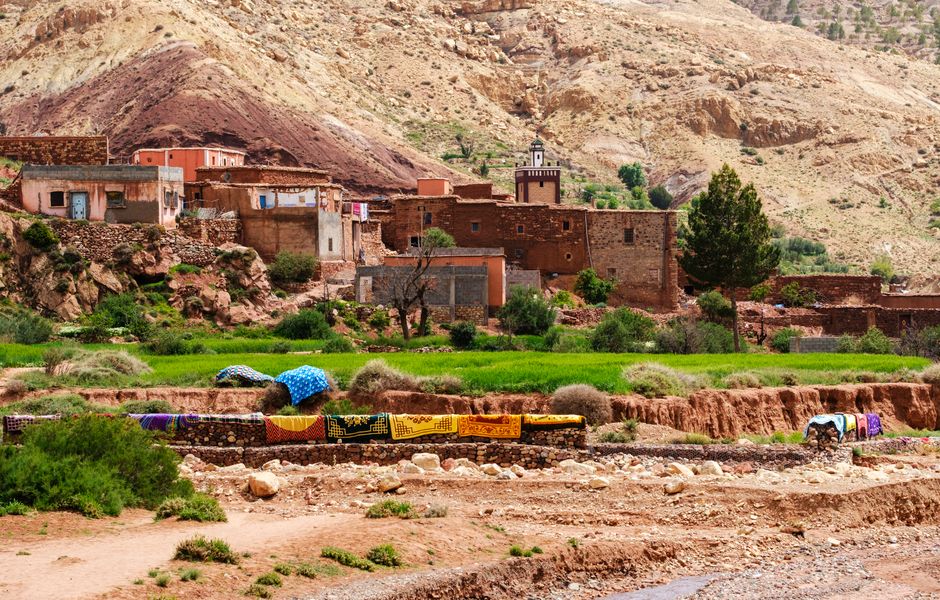
Yes, if you prepare. Morocco in 2026 is safer than the horror stories suggest and more challenging than the Instagram posts show. The key isn’t to avoid it — it’s to go with eyes open.
For your first solo trip: start with 5 days in Chefchaouen and Essaouira. Skip Marrakech entirely until you’ve built confidence. Use first-class trains. Stay in female-friendly riads. Download offline maps. Learn five Arabic phrases (“La shukran”, “Salam alaikum”, “Bslema” for goodbye, “Shwiya b shwiya” for slowly, “Chhal hada?” for how much).
Morocco rewarded me with the most generous hospitality I’ve ever experienced — but only after I stopped expecting it to behave like home. Go prepared, and you’ll leave wanting to return. I did, four times.