You’ve seen the Instagram reels. The Eiffel Tower at golden hour. A gondola in Venice. A plate of pasta in Rome. And you assume it costs a fortune.
It doesn’t have to.
I’ve spent the last three months testing a strict $50 daily budget across 12 European cities. The short answer: yes, it’s still possible in 2026. But you need a system, not just hope.
Here is the exact method.
Where Your $50 Actually Goes: The Daily Budget Breakdown
Most people fail because they don’t know where their money disappears. Here’s the hard cap for each category. Stick to these numbers.
| Category | Daily Budget | What That Buys in 2026 |
|---|---|---|
| Accommodation | $15–$20 | Dorm bed in a well-rated hostel. Use Hostelworld. Book 3+ days ahead. |
| Food | $12–$15 | Breakfast from a supermarket. Lunch from a bakery. Dinner from a local market or the Too Good To Go app. |
| Transport | $5–$10 | Public transit pass or a long-distance FlixBus ticket amortized over the trip. |
| Activities & Misc | $5–$10 | Free walking tours, museum passes, or one paid attraction every 3 days. |
Total: $37–$55. The trick is to keep accommodation and food at the low end so you have room for an occasional splurge. If you spend $20 on a dorm, you have $30 left for everything else. That’s tight but doable.
The Accommodation Trap: Why Hostels Are Still the Only Option
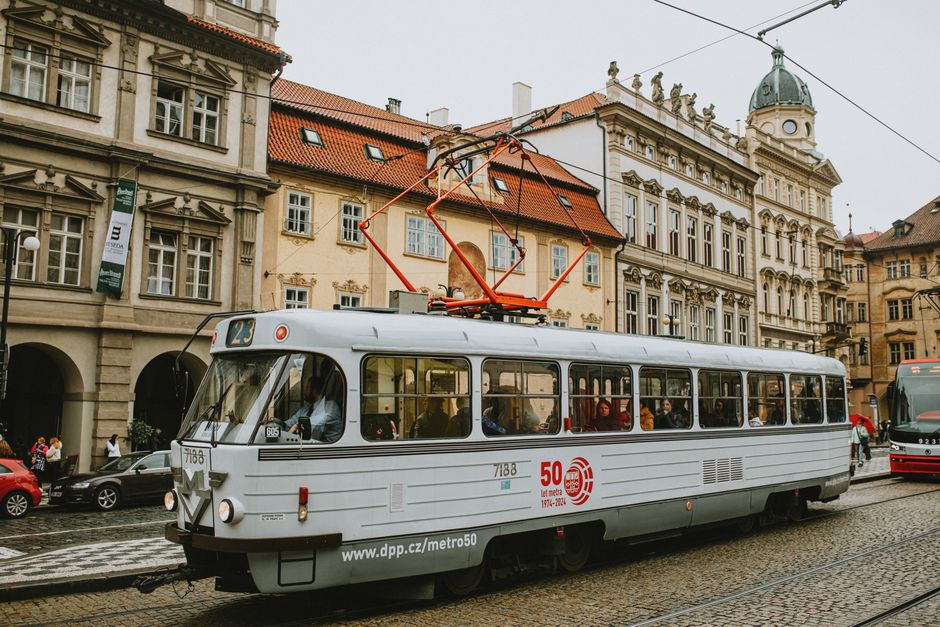
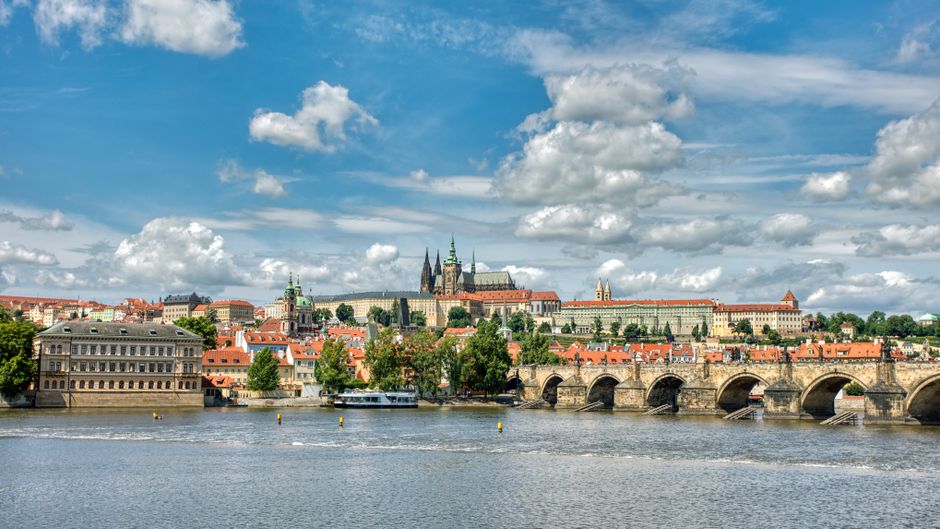
Private rooms in budget hotels now cost $60–$90 a night in cities like Lisbon, Prague, and Budapest. That single line item blows your entire $50 budget.
Hostel dorm beds are the only way to hit $50. In 2026, a good dorm bed in a central location runs $12–$22. Hostelworld and Booking.com both show dorm options. Filter by rating 8.0+ and read the “noise” reviews. A cheap hostel with bad sleep is a false economy.
Pick the Right Hostel Type
Party hostels (like the Wombat’s chain) cost $18–$22 but you won’t sleep. Quiet social hostels (like the MEININGER chain) cost $15–$18 and often include breakfast. For $50/day, pick the quiet one.
The Booking Timing Rule
Book 4–7 days ahead. Same-day booking in peak season (June–August) can cost 40% more. Use the “free cancellation” filter. Prices drop 48 hours before check-in if the hostel has empty beds.
Eating Well Without Eating Your Budget
Sit-down restaurants with table service cost $15–$25 for a main course. That’s half your daily food budget gone in one meal. You cannot eat three restaurant meals a day.
Here’s what works.
- Breakfast: Buy a baguette, cheese, and fruit from a local supermarket. $2–$3. In France, Carrefour or Monoprix. In Italy, Conad or Coop.
- Lunch: A bakery slice of pizza or a filled focaccia. $4–$6. Stand up and eat it. No tip required.
- Dinner: Use the Too Good To Go app. Restaurants and bakeries sell surplus food at 50–70% off right before closing. A “surprise bag” often contains a full dinner for $4–$6.
One splurge meal per week is fine. Budget it. A $15 pasta dinner in Rome is worth skipping two supermarket breakfasts.
Transport: The FlixBus Rule and the Ryanair Reality
Trains in Western Europe are fast and expensive. A Paris-to-Lyon TGV can cost $60. That’s more than your entire daily budget.
FlixBus is your best friend. A bus from Berlin to Prague costs $8–$15 if booked 2 weeks ahead. The buses have WiFi, power outlets, and a toilet. They take longer, but you save $40–$50 compared to a train.
Ryanair and Wizz Air offer flights for $10–$25 if you fly with only a small personal bag. No checked luggage. No priority boarding. Print your boarding pass at home. A single mistake at the gate (overweight bag, wrong size) costs $50–$70 and breaks your budget.
The Interrail pass is not worth it for a $50/day budget. A 7-day pass costs $280. That’s almost 6 days of your entire budget. Bus and budget airline hopping is cheaper.
The Free Walking Tour System
Every major European city has free walking tours. You pay a tip at the end. $5–$10 is standard. The tour lasts 2–3 hours and covers the main sights plus local history.
Do one on your first morning. You get orientation, hidden spots, and restaurant recommendations from a local. The guide will tell you which museums have free entry days and which attractions are overpriced.
In 2026, most free tours operate on a reservation system. Book 24 hours ahead on GuruWalk or Freetour.com. Walk-ups often get turned away in peak season.
Museum Free Days
Most national museums in Europe have free entry on specific days. The Louvre in Paris is free on the first Friday of each month after 6 PM. The Uffizi in Florence is free on the first Sunday. Plan your city schedule around these dates. It saves $12–$20 per visit.
Three Mistakes That Will Blow Your $50 Budget
I made all of these. You don’t have to.
Mistake 1: Paying with a credit card that charges foreign transaction fees. Most US bank cards charge 3% on every purchase. That’s $1.50 on a $50 day. Over 30 days, that’s $45 wasted. Get a card with zero foreign fees. The Wise debit card works well in Europe. It converts at the mid-market rate and you can withdraw cash from ATMs for a small flat fee.
Mistake 2: Buying bottled water. A 500ml bottle costs $1.50–$2.50. Carry a reusable bottle. Most European cities have public drinking fountains with free, safe water. Paris, Rome, Munich, and Vienna all have excellent tap water. Fill up twice a day. Save $3–$5 daily.
Mistake 3: Eating near major attractions. A coffee near the Colosseum costs $4. Walk 10 minutes away and the same espresso costs $1.20. A pizza near the Eiffel Tower costs $18. Walk 15 minutes to Rue Cler and it’s $9. The price markup for proximity is 50–100%. Walk five blocks.
When $50 a Day Won’t Work (And What to Do Instead)
This budget fails in three specific situations. Be honest with yourself before you go.
1. Switzerland. Zurich, Geneva, and Lucerne are brutally expensive. A dorm bed costs $35. A simple lunch costs $18. You cannot do Switzerland on $50/day. Skip it, or save up and go for 3 days with a $100/day budget.
2. Peak season in a capital city. London in August. Paris in July. Amsterdam in spring. Hostel dorms hit $30–$40. Street food costs $12. You’ll struggle to stay under $65. Travel in shoulder season (April–May or September–October) instead. Prices drop 30%.
3. You want to drink every night. A single cocktail in a bar costs $12–$18. Two drinks = $30. That’s 60% of your daily budget gone. If drinking is part of your trip, raise your budget to $65/day or switch to supermarket beer ($2 per bottle) and drink in the hostel common room before going out.
The $50/day budget works best in Eastern and Southern Europe. Poland, Hungary, Portugal, and Greece are your sweet spots. You can live well in Krakow or Porto for $40/day and have $10 left for a museum or a nicer meal. Plan your route accordingly.
The Europe of 2026 is more expensive than it was in 2019. But it is still accessible. The difference between a trip that works and one that fails is not luck. It’s knowing exactly where every dollar goes before you spend it.