You booked the flight. You have a 40-liter pack and a copy of The Beach. You think you’re ready.
You’re not.
Every day in Bangkok, Chiang Mai, or Ho Chi Minh City, I watch fresh solo backpackers make the same five errors. They waste money, lose time, and sometimes end up crying in a hostel lobby at 2 AM. Don’t be that person.
Here are the mistakes. Fix them before you land.
1. Packing for a Year Instead of a Week
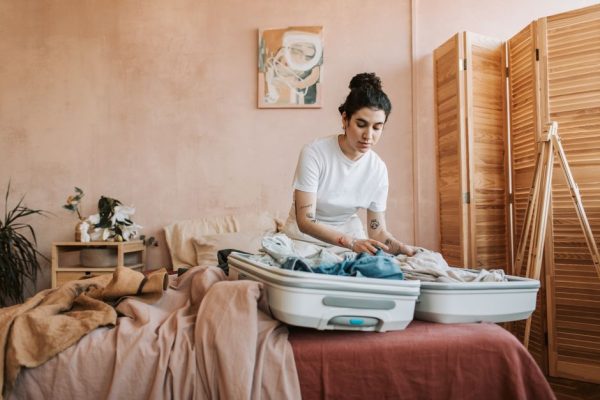
You do not need five pairs of jeans in 35°C heat. You do not need a travel towel the size of a bedsheet. And you definitely do not need that “just in case” suit.
First-timers pack for every possible scenario. The result? A 15kg backpack that destroys your shoulders and costs you $50 in overweight baggage fees on budget airlines like AirAsia or Nok Air.
What you actually need
Three quick-dry shirts. Two pairs of shorts. One pair of lightweight trousers for temples. Flip-flops and one pair of trail runners. A rain jacket. That’s it.
Laundry is cheap everywhere. In Vietnam, a kilo of washing costs $1. In Thailand, hostel laundry services run $2–$3. You can get clothes washed and folded in 24 hours. Stop packing for a month-long expedition.
The gear mistake that hurts most
Backpackers buy a cheap 60-liter bag from Decathlon for $40. Then they fill it. Then they walk 2km to a hostel in 32°C humidity. Their back screams. They buy a new bag in Bangkok.
The Osprey Farpoint 40 ($185) or Deuter Transit 40 ($160) are the right size. They fit carry-on limits for most SE Asian airlines. Your spine will thank you.
2. Booking Everything Before You Arrive
I met a guy in Kuala Lumpur who had booked 14 hostels, 6 bus tickets, and 3 flights before leaving home. His itinerary was set in stone. He hated it.
He wanted to stay longer on an island. Couldn’t. He met people going north. He was stuck going south. He spent his trip watching others have fun on Instagram stories.
How flexible should you be?
Book your first two nights. That’s it. Maybe a flight into the region if you’re on a tight timeline. Everything else can be arranged 24–48 hours ahead.
Use Rome2Rio to check connections. Use 12Go.asia for buses and trains. Use Agoda or Hostelworld for last-minute beds. Prices rarely spike if you wait a day.
The exception
If you’re traveling during Songkran (Thai New Year, mid-April) or Lunar New Year, book accommodation a week ahead. Otherwise, relax.
Booking everything is a sign you’re scared of uncertainty. Solo travel is about embracing it. Let go of the spreadsheet.
3. Ignoring Local Transport Options
Tourists pay triple. It’s a fact. Tuk-tuk drivers in Bangkok see a backpack with a map and see dollar signs.
First-timers either take the first tuk-tuk offered (overpaying by 200–300 baht) or walk 40 minutes in the heat because they’re scared of getting scammed. Both are wrong.
The right way to move
In Thailand, use Grab (like Uber). It shows the price upfront. No negotiation. No scam. A 15-minute ride in Bangkok costs 100–150 baht ($3–$4). A tuk-tuk driver will quote you 400 baht.
In Vietnam, use Grab or Be. In Indonesia, Gojek. These apps work everywhere. Download them before you arrive and connect a card.
When to use public transport
The BTS Skytrain in Bangkok is fast, air-conditioned, and costs 20–60 baht. The MRT subway is even cheaper. Learn the route map. It takes 10 minutes.
Never take a taxi from the airport without using the official queue system. At Suvarnabhumi, go to the public taxi stand on Level 1. Get a ticket. Pay the meter fee plus 50 baht surcharge. That’s it.
4. Staying in the Wrong Hostel (or the Wrong Area)
You book the cheapest dorm on Hostelworld. $5 a night. Great. You arrive and it’s a windowless room above a karaoke bar. You don’t sleep. You move the next day. You’ve lost a day of your trip.
Location matters more than price. A $5 dorm in Khao San Road (Bangkok’s backpacker ghetto) means noise, drunk tourists, and no sleep. A $10 dorm in a quieter area like Silom or Sukhumvit means rest and actual culture.
How to pick a hostel
Filter by rating, not price. Look for 8.5+ on Hostelworld. Read recent reviews — specifically about noise, cleanliness, and social atmosphere.
The Lub d Hostel chain (Bangkok, Phuket, Samui) is reliable. Dorms cost $12–$18. They’re clean, have good common areas, and organize events. Mad Monkey hostels are the party standard in Cambodia and Thailand. Zostel is solid in Vietnam.
When NOT to stay in a dorm
If you’re sick, exhausted, or need a real night’s sleep, book a private room for one night. It costs $15–$25. Worth every dollar. You’ll recover and rejoin the dorms with energy.
Don’t be the person who gets bed bugs from a $3 hostel. Check the mattress seams when you arrive. If you see dark spots or tiny blood stains, leave immediately and demand a refund.
5. Not Having a Digital Backup Plan

Your phone is your lifeline. Maps, Grab, hostel check-in, flight boarding passes, banking — everything runs through it. And then it gets stolen, dropped in a toilet, or runs out of battery at 6 PM.
First-timers don’t prepare for this. They lose their phone and panic. They can’t call their hostel. They can’t access their bank. They’re stranded.
The fix is simple and cheap
Buy a local SIM at the airport. In Thailand, AIS or TrueMove offer 30-day tourist SIMs with 15GB data for 300–500 baht ($9–$15). In Vietnam, Viettel has similar deals. Get one immediately.
Back up your phone to Google Photos or iCloud every night on hostel Wi-Fi. Store a photo of your passport, visa, and travel insurance in a password-protected folder. Write down your hostel address and phone number on a piece of paper and keep it in your shoe.
Power banks are not optional
Buy a Anker PowerCore 20100 ($45) before you leave. It charges a phone 4–5 times. You will use it every single day. Hostel outlets are scarce. Long bus rides have no USB ports. This is non-negotiable.
| Mistake | Cost of fixing it | Time wasted |
|---|---|---|
| Overpacking | $50–$80 (new bag + laundry) | 2–3 hours repacking |
| Overbooking | $20–$50 (cancellation fees) | 1–2 days of regret |
| Ignoring local transport | $10–$30 per ride (scam pricing) | 30–60 min negotiating |
| Bad hostel choice | $10–$20 (moving + lost night) | Half a day |
| No digital backup | $100+ (emergency phone + SIM) | Full day + panic |
None of these mistakes are fatal. But they’re avoidable. Pack light. Stay flexible. Use the apps. Pick your hostel carefully. Back up your phone.
Now go book that flight. You’ll be fine.