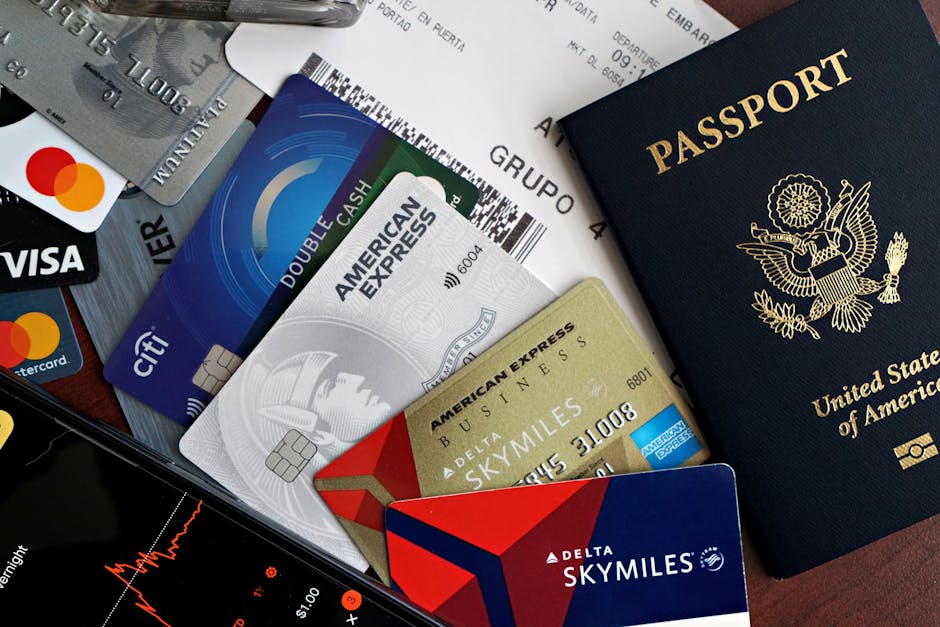
Did you know Canadians leave an estimated $2.5 billion in unused credit card rewards on the table each year? That’s according to some industry estimates. Much of that value comes from travel points that expire or aren’t maximized. Picking the right travel rewards credit card in Canada for 2026 is less about finding the “most generous” card and more about aligning a card’s earning structure with your spending habits and travel goals. Forget the flashy sign-up bonuses for a moment. Understanding the long-term value and how it fits your specific lifestyle is key.
The Hidden Cost of “Free” Travel: Annual Fees vs. Rewards Value
Many travelers chase the largest sign-up bonus or the card with the highest points per dollar. But a truly optimized travel strategy starts with a clear understanding of annual fees and how they directly impact your net rewards. It’s easy to dismiss a $120 annual fee, thinking you’ll “earn it back.” Often, you do. But the question is: how much more could you earn with a different card, or how much less could you pay?
I strongly believe that blindly avoiding annual fees is a common financial misstep for serious travelers. A card with a $150 annual fee might offer a 2-point per dollar earn rate on groceries, while a no-fee card only offers 1 point. If you spend $500 a month on groceries, that’s an extra 6,000 points annually. If those points are worth 1.5 cents each, that’s $90 in extra value. Suddenly, your $150 fee is only costing you $60 net, potentially offset by other benefits like travel insurance or lounge access. The value isn’t just in the points themselves, but the benefits that come with the fee.
How to Calculate Your Real Points Value
Assigning a monetary value to a reward point is critical. Many programs advertise points, but their redemption value varies wildly. For example, some bank proprietary points systems might offer 1 cent per point for travel booked through their portal, but only 0.5 cents for a statement credit. Airline miles, like Aeroplan, often have a dynamic value, ranging from 1.5 cents to 3 cents per point depending on the route, cabin class, and time of booking. Always look up recent redemption examples. If a card offers 2 points per dollar on restaurants and you spend $200 a month, that’s 4,800 points a year. If those points are consistently redeemed for 1.8 cents each, you’re getting $86.40 in value just from that category. Compare this against the annual fee and other benefits.
When a High Annual Fee Pays Off
A higher annual fee often unlocks premium perks. Consider cards like the American Express Platinum Card (annual fee around $799, but check current offers). While steep, it includes extensive travel insurance, airport lounge access (Priority Pass, Centurion Lounges), annual travel credits (often $200), and elite status with certain hotel chains. If you travel frequently, use airport lounges multiple times a year (each visit can cost $50+), and value comprehensive insurance (which can save hundreds on individual trip policies), the high fee can be a bargain. For a family of four taking two trips a year, those lounge visits alone could easily justify a significant portion of the fee. The key is to genuinely use these benefits, not just pay for the option.
Understanding Different Reward Programs: Points, Miles, and Cash Back Equivalents
Choosing a travel card means navigating a landscape of varied reward programs. Each type has its own mechanics, best uses, and potential pitfalls. It’s not just about how many points you earn, but how flexibly and efficiently you can use them for actual travel. Understanding these distinctions is fundamental to picking the right card for your travel style, regardless of which specific product you apply for.
Some programs offer straightforward points that convert to a fixed dollar value for travel booked through their own portal. Others give you airline miles, which provide more aspirational redemptions like business class flights, but come with less flexibility. Then there’s the option of simply earning cash back, which, while not direct “travel rewards,” can be used to offset any travel expense you incur, offering ultimate flexibility.
Airline-Specific Loyalty Programs
These programs directly tie into an airline’s frequent flyer scheme. In Canada, the most prominent example is Aeroplan, linked to Air Canada. When you earn Aeroplan points, you are earning a specific currency designed for flights (and some other travel partners). The value of these points can be excellent, especially for long-haul or premium cabin redemptions, where you might get 2 cents per point or more. However, they lack the flexibility of general travel credits. You are tied to specific airlines (Air Canada and its Star Alliance partners), and award space can be limited. If you fly Air Canada regularly and aim for specific routes or upgrades, an Aeroplan-focused card is a strong contender. If you prefer to fly different airlines based on price or schedule, this might feel restrictive.
Flexible Bank Point Systems
Most major Canadian banks offer their own proprietary points programs. Examples include RBC Avion Rewards, TD Rewards, CIBC Aventura, and Scotiabank Scene+. These programs typically allow you to redeem points for travel booked through their own travel portals, usually at a fixed rate (e.g., 100 points = $1). This offers more flexibility than airline-specific miles because you aren’t tied to a single airline. You can book any flight, hotel, or car rental available through their system. Some of these programs also allow you to transfer points to partner loyalty programs, often at a less-than-ideal ratio, but it adds another layer of optionality. For instance, RBC Avion points can transfer to British Airways Avios or Cathay Pacific Asia Miles. This flexibility makes them popular for travelers who don’t have a strong airline preference or want options for a wider range of travel bookings.
Top Travel Rewards Cards for Different Traveler Types (2026)
The “best” card is entirely dependent on your spending habits and travel priorities. Here’s a breakdown of leading Canadian travel rewards cards, categorized by who they serve best. My verdicts are based on a balanced view of earning rates, annual fees, and redemption options.
- Best for Everyday Spenders with Flexible Travel Credits: American Express Cobalt Card
The American Express Cobalt Card ($155 annual fee, paid monthly at $12.99) is an absolute powerhouse for everyday spending. It earns 5 Membership Rewards points per dollar on eats & drinks (restaurants, bars, food delivery, groceries), 2 points on travel and transit, and 1 point on everything else. These points are incredibly flexible. You can convert them 1:1 to Aeroplan, transfer them to Marriott Bonvoy (1:1.2), or redeem them at 1 cent per point for statement credits on any travel purchase. For someone spending $1000 a month on groceries and dining, that’s 60,000 points annually, worth $600 in travel credits or a significant chunk of an Aeroplan flight. The card also includes mobile device insurance and purchase protection.
- Best for Frequent Flyers: TD Aeroplan Visa Infinite Card
The TD Aeroplan Visa Infinite Card (annual fee $139, often waived for the first year) is a solid choice for those committed to earning Aeroplan points. It offers 1.5 Aeroplan points per dollar on eligible gas, grocery, and Air Canada purchases, and 1 point per dollar on everything else. It includes a free first checked bag on Air Canada flights for the primary cardholder and up to eight companions on the same booking. This benefit alone can save hundreds of dollars for a family. It also offers comprehensive travel insurance including travel medical, trip cancellation/interruption, and delayed baggage. If Air Canada is your preferred airline, this card provides strong earn rates and valuable perks directly tied to your flights. The insurance package is also robust.
- Best for Hotel Stays: Marriott Bonvoy American Express Card
For those who prioritize hotel stays, the Marriott Bonvoy American Express Card (annual fee $120) is unmatched. It earns 5 Marriott Bonvoy points per dollar on eligible purchases at participating Marriott Bonvoy hotels and 2 points per dollar on all other purchases. The standout feature is an annual Free Night Award (worth up to 35,000 points) upon card renewal, which alone can cover the annual fee or provide significant value. It also grants automatic Silver Elite status with Marriott Bonvoy and 15 Elite Night Credits annually, accelerating your path to higher status tiers. If you stay at Marriott properties even a few nights a year, this card can unlock substantial value and elite benefits. The free night alone makes it compelling.
- Best for Premium Flexible Travel: RBC Avion Visa Infinite Card
The RBC Avion Visa Infinite Card (annual fee $120) offers flexibility and strong travel insurance. It earns 1 RBC Avion point per dollar on all purchases, with a bonus of 25% extra points on eligible travel purchases. Avion points can be redeemed for flights on any airline with no blackout dates through the RBC travel portal (fixed redemption chart where 15,000 points covers up to $350 in flight costs, for example), or transferred to partner programs like British Airways Avios and Cathay Pacific Asia Miles, though often not at a 1:1 ratio. The card comes with excellent travel insurance, including emergency medical, trip cancellation/interruption, and car rental insurance. For those who want flexibility to book flights on any airline and a strong insurance package, Avion is a perennial favourite.
Avoiding Common Mistakes When Choosing a Travel Card

The world of travel rewards can be complex, and it’s easy to fall into traps that dilute the value of your points or lead to unnecessary debt. Many people focus solely on the welcome bonus, neglecting the long-term implications or suitability of a card. Avoiding these common errors ensures you get the most out of your travel rewards strategy.
Is a high sign-up bonus always the best deal?
Not necessarily. While a large sign-up bonus (e.g., 50,000 points) looks enticing, always look beyond it. Some cards offer large bonuses but come with very high annual fees that aren’t waived, or have very low ongoing earn rates for your typical spending. A card with a smaller bonus but better multipliers on categories where you spend heavily (like groceries or gas) might yield more points over a year than a card with a huge initial bonus but poor everyday earning. Additionally, check the minimum spend requirement for the bonus. If you have to spend $5,000 in three months to get the bonus and you can’t comfortably meet that without overspending, it’s not a good deal. Focus on the card’s long-term fit with your lifestyle and spending habits, not just the initial freebie.
Should I prioritize insurance benefits over points?
This depends heavily on your travel frequency and personal insurance situation. For frequent travelers, especially those taking international trips, robust travel insurance can be more valuable than extra points. Emergency medical coverage, trip cancellation/interruption, baggage delay, and rental car collision damage waiver can save thousands of dollars if something goes wrong. If you already have excellent coverage through an employer or a separate policy, then prioritizing points makes sense. However, for many, the insurance included with premium travel cards negates the need to buy separate policies for each trip, offering significant peace of mind and cost savings. Always read the insurance certificate carefully to understand coverage limits and exclusions.
How often should I re-evaluate my card?
You should re-evaluate your primary travel rewards card annually, especially before the annual fee posts for the next year. Issuers frequently change their rewards structures, annual fees, and benefits. Your own spending habits and travel goals might also shift. For instance, if you’ve recently started a family, flight benefits like free checked bags might become more valuable than lounge access. If you’ve changed jobs, your travel patterns or eligible spending categories might be different. An annual review ensures you’re always using the card that best aligns with your current financial and travel situation. Don’t be afraid to switch cards if a better option emerges for your specific needs, or to call your current issuer to negotiate a retention offer if you’re considering cancelling.
The Single Best Strategy for Maximizing Travel Rewards in 2026
For most Canadian travelers balancing annual fees with strong, flexible rewards, the American Express Cobalt Card remains the strongest contender in 2026, assuming you can consistently maximize its multiplier categories. Its ability to earn 5x points on food and drinks, coupled with the flexibility to transfer those points to Aeroplan or redeem for statement credits, provides unparalleled value and adaptability. It fits most lifestyles, offering both aspirational redemptions and practical savings.